Accessibility in HOA Guidelines: What Every Homeowner Needs to Know
10 June 2026
Homeowners’ Associations (HOAs) have rules and guidelines in place to maintain property values, ensure community harmony, and create an overall pleasant living environment. But when it comes to accessibility, HOAs must balance aesthetics with legal requirements and ethical considerations.
If you're a homeowner, you might be wondering: What happens when accessibility needs clash with HOA rules? Can homeowners make modifications to accommodate disabilities? And what legal obligations do HOAs have?
This article breaks down everything you need to know about accessibility in HOA guidelines, helping you navigate the sometimes tricky terrain of living in a governed community while ensuring fair and equal access for all. 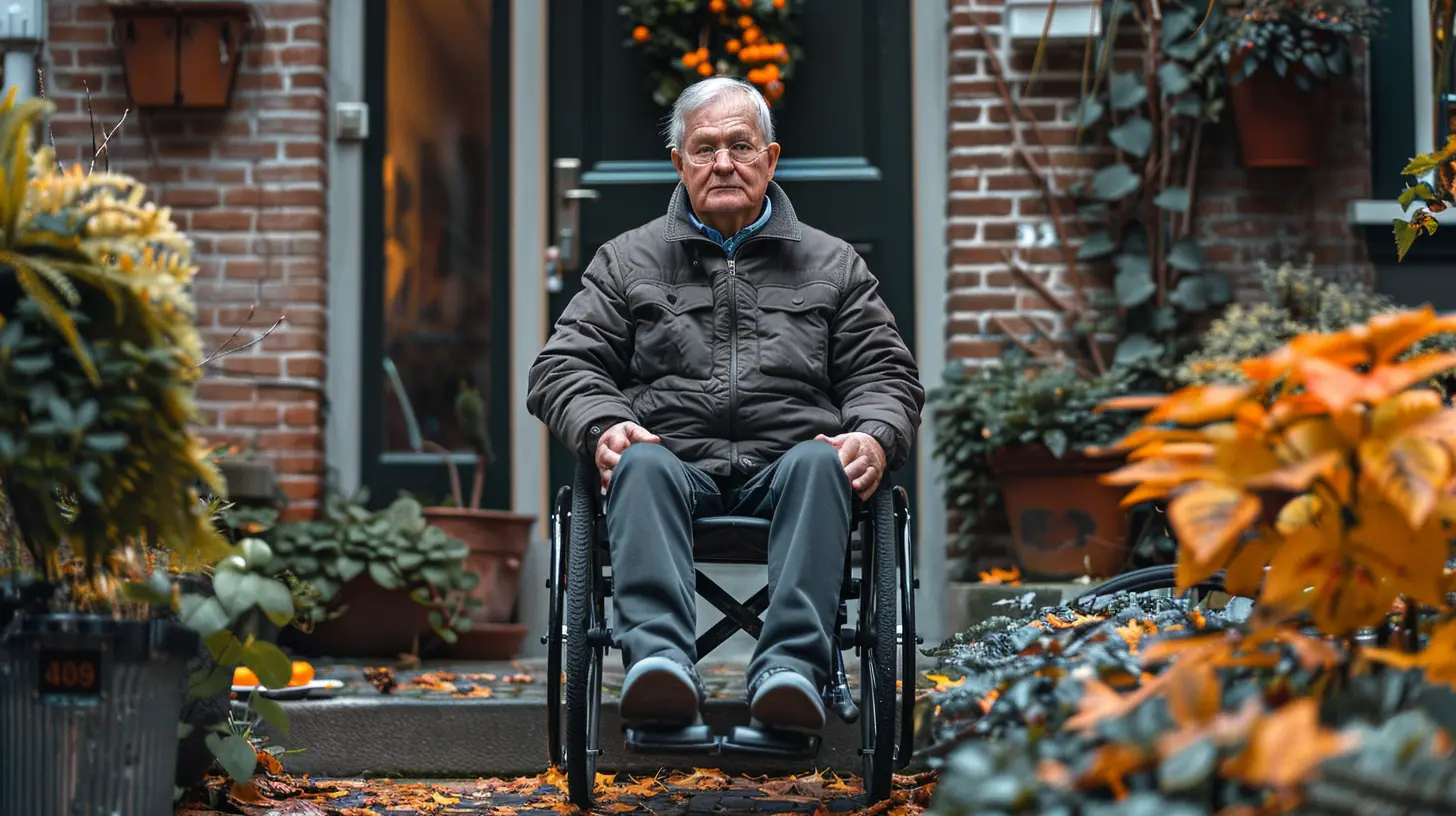
Understanding Accessibility in HOAs
Accessibility isn't just a courtesy—it's a legal right. Under the Americans with Disabilities Act (ADA) and the Fair Housing Act (FHA), individuals with disabilities are protected from discrimination when it comes to housing and community access.HOAs, as governing bodies that often manage shared amenities, must comply with these laws while enforcing their own rules. That means they need to accommodate residents who require modifications due to disabilities, within reason.
But what does "reasonable accommodation" really mean, and how does it affect you as a homeowner? 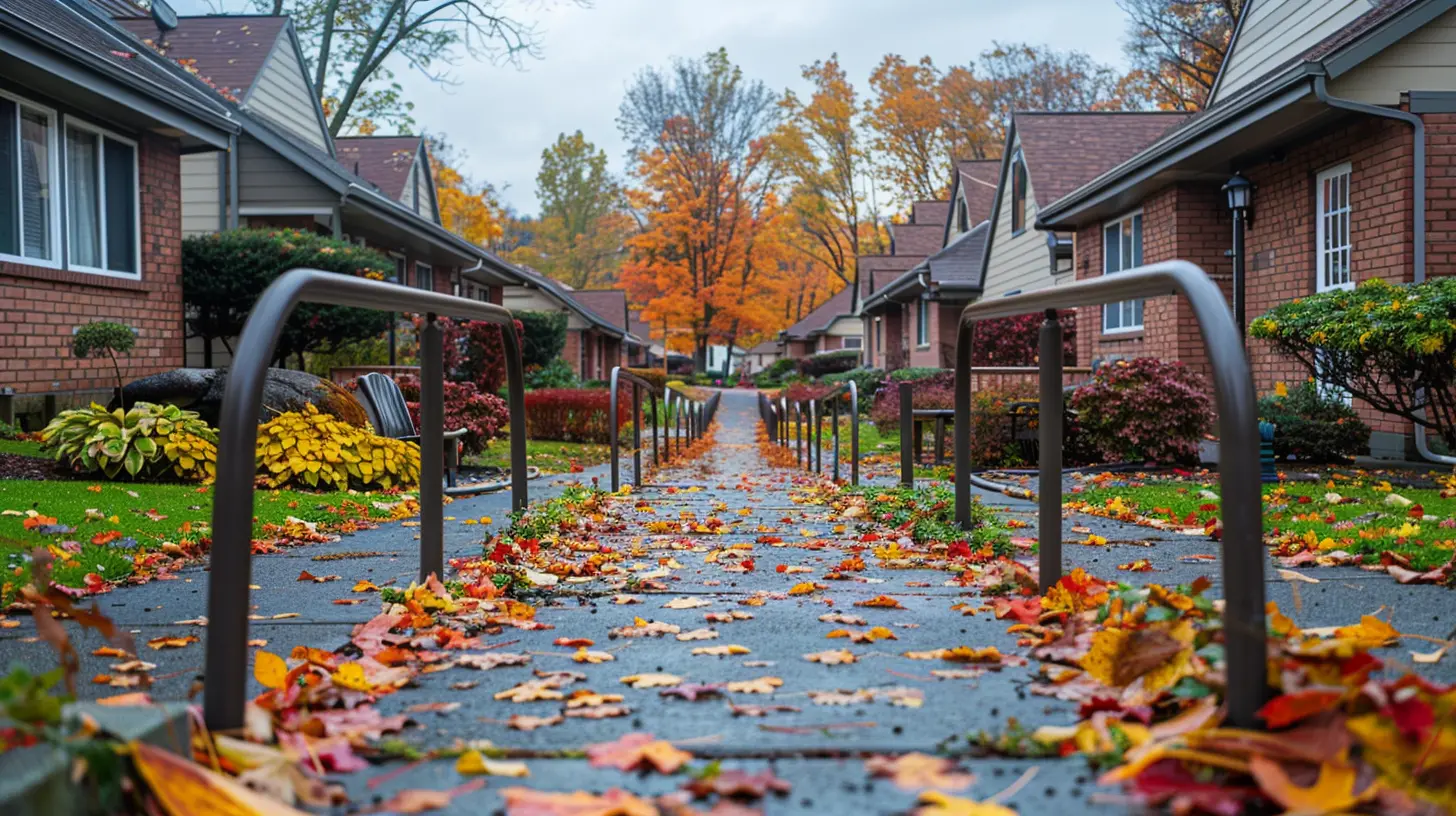
The Legal Side of Accessibility in HOAs
1. Fair Housing Act (FHA) and Reasonable Accommodations
The Fair Housing Act (FHA) prohibits discrimination against individuals based on disabilities. This applies to housing providers, which includes HOAs. Under FHA, residents can request reasonable accommodations or modifications to make their homes more accessible.- Reasonable accommodations involve policy or rule adjustments to allow disabled residents equal enjoyment of their home (e.g., allowing a service animal despite a no-pet policy).
- Reasonable modifications involve physical changes to a property that make it more accessible (e.g., adding a wheelchair ramp to a private residence).
If a homeowner requests a reasonable modification, the cost often falls on them. However, if the request is for a common area (like adding a handrail to a shared stairway), the HOA may bear the financial responsibility.
2. The Americans with Disabilities Act (ADA) and Public Accommodations
The ADA primarily applies to public spaces, which means it only affects HOAs if they manage facilities open to the public. This includes clubhouses, swimming pools, or event spaces that non-residents may use.If an HOA-owned property is considered public, it must comply with ADA rules, such as providing wheelchair-accessible entrances, ramps, and designated parking spaces.
For purely private HOA communities, the ADA has less direct impact. However, if a resident needs accommodations within their private residence or exclusive-use areas, the FHA comes into play.
3. State and Local Laws: Additional Protections
Beyond federal laws, state and local governments may have additional fair housing provisions. Some states require HOAs to cover more accessibility modifications than federal law mandates.Before making assumptions, homeowners should check with local housing authorities or legal counsel to understand their rights and responsibilities. 
Common Accessibility Challenges in HOAs
While accessibility laws exist to protect homeowners, enforcing them within an HOA isn’t always straightforward. Here are common issues that arise:1. HOA Restrictions on Exterior Modifications
One of the biggest challenges comes when homeowners need to modify the exterior of their residence. Many HOAs have strict guidelines regarding property aesthetics, which can make it difficult for residents to install ramps, lifts, or widen doorways.However, since FHA protects the right to make reasonable modifications, HOAs cannot simply deny these requests. Instead, they can set reasonable conditions, such as requiring modifications to blend with the community’s design.
2. Accessibility in Common Areas
HOA-managed common areas—such as clubhouses, sidewalks, and pools—should be accessible to all residents. But not all communities are built with accessibility in mind.Some challenges include:
- Lack of ramps or elevators in multi-level clubhouses
- Sidewalks or pathways that aren’t wheelchair-friendly
- Fitness centers or pools that lack adaptive equipment
Residents with disabilities can submit requests for accessibility improvements, and in most cases, an HOA must comply as long as the request is reasonable.
3. Service Animals and HOA Pet Policies
Many HOAs have strict rules regarding pets, but service animals and emotional support animals (ESAs) are an exception. Under FHA, HOAs cannot deny a resident’s service animal—even if a community has a no-pet policy.That means:
- No extra pet fees for service animals
- No breed or size restrictions for legitimate service animals
- HOAs cannot demand special certifications beyond what the FHA requires
However, HOAs can request documentation to confirm that the animal is necessary due to a disability.
4. Parking Accommodations
Accessible parking is another common issue. If a homeowner needs a designated accessible parking spot, they can request one under FHA reasonable accommodation guidelines.This applies even in communities with assigned parking. The HOA may be required to:
- Provide an accessible parking spot close to the resident’s home
- Ensure proper signage and space markings
- Allow modifications like ramp access from the parking area 
How Homeowners Can Request Accessibility Accommodations
If you're a homeowner facing accessibility challenges in an HOA-governed community, following the right process is crucial for getting accommodations approved.Step 1: Submit a Written Request
Requests for accessibility accommodations or modifications should be submitted in writing to the HOA board or management company. The request should include:- A clear explanation of the needed accommodation/modification
- How it relates to the resident’s disability
- Supporting documentation from a medical professional (if required)
Step 2: HOA Review & Reasonable Decision Making
The HOA cannot flat-out deny a request without valid reasoning. It must engage in an interactive process, meaning the board must consider the request fairly and discuss any concerns.If an HOA refuses a modification, it must provide a valid reason, such as:
- The requested change poses a severe safety risk
- The alteration fundamentally changes the HOA’s operations
- The modification is deemed unreasonable (e.g., a request to build an elevator for a single-family home in a one-story community)
That said, HOAs cannot dismiss a request due to inconvenience or aesthetics alone.
Step 3: Seek Legal Assistance if Necessary
If an HOA unreasonably denies an accessibility request, homeowners can file a complaint with the U.S. Department of Housing and Urban Development (HUD) or their local fair housing agency.In extreme cases, legal action may be necessary to ensure compliance with federal and state laws.
Key Takeaways for Homeowners in HOA Communities
Navigating accessibility within an HOA-governed community can be a headache, but understanding your rights can make the process easier. Here’s what every homeowner should remember:✅ Federal laws (FHA & ADA) protect homeowners with disabilities from discrimination.
✅ HOAs must allow reasonable modifications, but homeowners may need to cover costs for private property changes.
✅ Common areas must be accessible, and HOAs may bear financial responsibility for upgrades.
✅ Service animals must be permitted, even if a no-pet policy exists.
✅ Homeowners should follow a formal written request process for any accessibility modifications.
If you or a family member requires accommodations, don’t hesitate to advocate for your rights—because everyone deserves to feel comfortable and welcome in their own home.
all images in this post were generated using AI tools
Category:
Hoa GuidelinesAuthor:

Lydia Hodge
Discussion
rate this article
2 comments
Dana Wheeler
Great insights! Accessibility in HOAs is essential for everyone.
July 25, 2026 at 4:06 AM
Lydia Hodge
Thank you! I'm glad you found it valuable. Accessibility truly matters for creating inclusive communities.
Ava McKittrick
This article provides valuable insights on accessibility in HOA guidelines. It's crucial for homeowners to understand their rights and the responsibilities of their associations. Ensuring that communities are inclusive not only benefits those with disabilities but also enriches the neighborhood for everyone. Thank you for addressing this important topic.
June 14, 2026 at 2:56 AM
Lydia Hodge
Thank you for your thoughtful comment. I'm glad you found the insights valuable. Inclusivity truly enhances our communities.