Are HOAs Allowed to Impose Fines for Violations?
2 June 2026
Living in a community governed by a Homeowners Association (HOA) has its perks. You get well-maintained common areas, a sense of community, and, oftentimes, higher property values. But let’s be honest—HOAs also come with their own set of rules, sometimes feeling like you’ve signed up for a live-in rulebook. As a homeowner, you might find yourself wondering: "Are HOAs allowed to impose fines for violations?" If you’ve ever been hit with a fine, or even just a warning letter, you’re probably itching for answers. Let’s break this down in plain, simple terms.
The Short Answer? Yes, They Can (But It’s Not a Free-for-All)
To get straight to the point: Yes, HOAs are generally allowed to impose fines for rule violations. But before you picture your HOA president sitting on a throne handing out fines like Monopoly money, let me assure you—it’s not a free-for-all. Laws and regulations govern how HOAs operate, and they can’t just fine you for sneezing too loud or painting your mailbox the "wrong" shade of beige.The authority of an HOA to issue fines is baked into its governing documents. These are usually a mix of Covenants, Conditions, and Restrictions (CC&Rs), bylaws, and rules/regulations. By buying property in an HOA-governed community, homeowners essentially agree to follow these rules—and face potential consequences if they don’t.
But here’s the twist: Just because HOAs can impose fines doesn’t mean they always play fair. And as homeowners, it’s good to know your rights so you don’t end up paying a fine for something that’s questionable or downright unreasonable.
How Can HOAs Impose Fines?
Before your HOA can send a fine your way, they typically have to follow a process. Think of it like checks and balances. They can’t just pull a penalty out of thin air—it usually has to meet certain criteria.1. It Starts with a Violation
The first step in the fining process is the alleged violation. This could be something like leaving your trash bins out for too long, parking in the wrong spot, or (heaven forbid) having an unapproved garden gnome on your lawn.But here’s something to keep in mind: The violation must relate to actual rules outlined in your HOA’s governing documents. If it’s not in writing, it’s not enforceable.
2. Notice is Key
Before slapping you with a fine, HOAs are typically required to notify you of the violation. This notice is like a friendly (or not-so-friendly) post-it note on your community fridge. It should include:- What rule you allegedly violated
- When and where the violation occurred
- What you need to do to fix it (and by when)
Think of this as your due process—a fair warning before things escalate.
3. You Get a Chance to Respond
Good news: Most states require that HOAs give you an opportunity to present your side of the story before they start collecting. This is often done during a hearing with the HOA board. Do you have proof that the violation is wrong? Maybe your neighbor’s dog, not yours, was barking all night. This is your chance to speak up.4. Imposing the Fine
If the HOA board determines that the violation did occur and you didn’t address it, they can move forward with imposing a fine. Typically, the fine amount is predetermined or outlined in HOA documents—so they can’t just "make up" a number on a whim.5. Nonpayment Can Lead to Bigger Problems
Ignoring an HOA fine might seem like a tempting option—after all, it’s just a small fee, right? Wrong. Unpaid fines can snowball into liens on your property or, in some extreme cases, lead to foreclosure. Yep, it’s that serious. So, as much as it stinks to pay, it’s often better to address the issue head-on.
What Laws Regulate HOA Fines?
This is where things get a bit tricky. Laws governing HOA fines vary based on the state you live in, so there’s no one-size-fits-all answer. However, there are a few common principles:- State Laws: Many states have specific statutes that outline how HOAs can enforce fines. For example, some states require a minimum grace period before a fine can be issued, while others cap the amount of the fines HOAs can impose.
- HOA Governing Documents: These documents often hold the specific rules about fines in your community. They’ll also detail the process the HOA must follow, including timelines and limits.
- Reasonableness Standards: Even if your HOA technically has the authority to impose fines, they can’t do it unreasonably. For instance, penalizing someone $500 for leaving their garden hose out would likely be considered excessive.
If you're unsure about the legalities, it’s never a bad idea to consult an attorney who specializes in HOA law.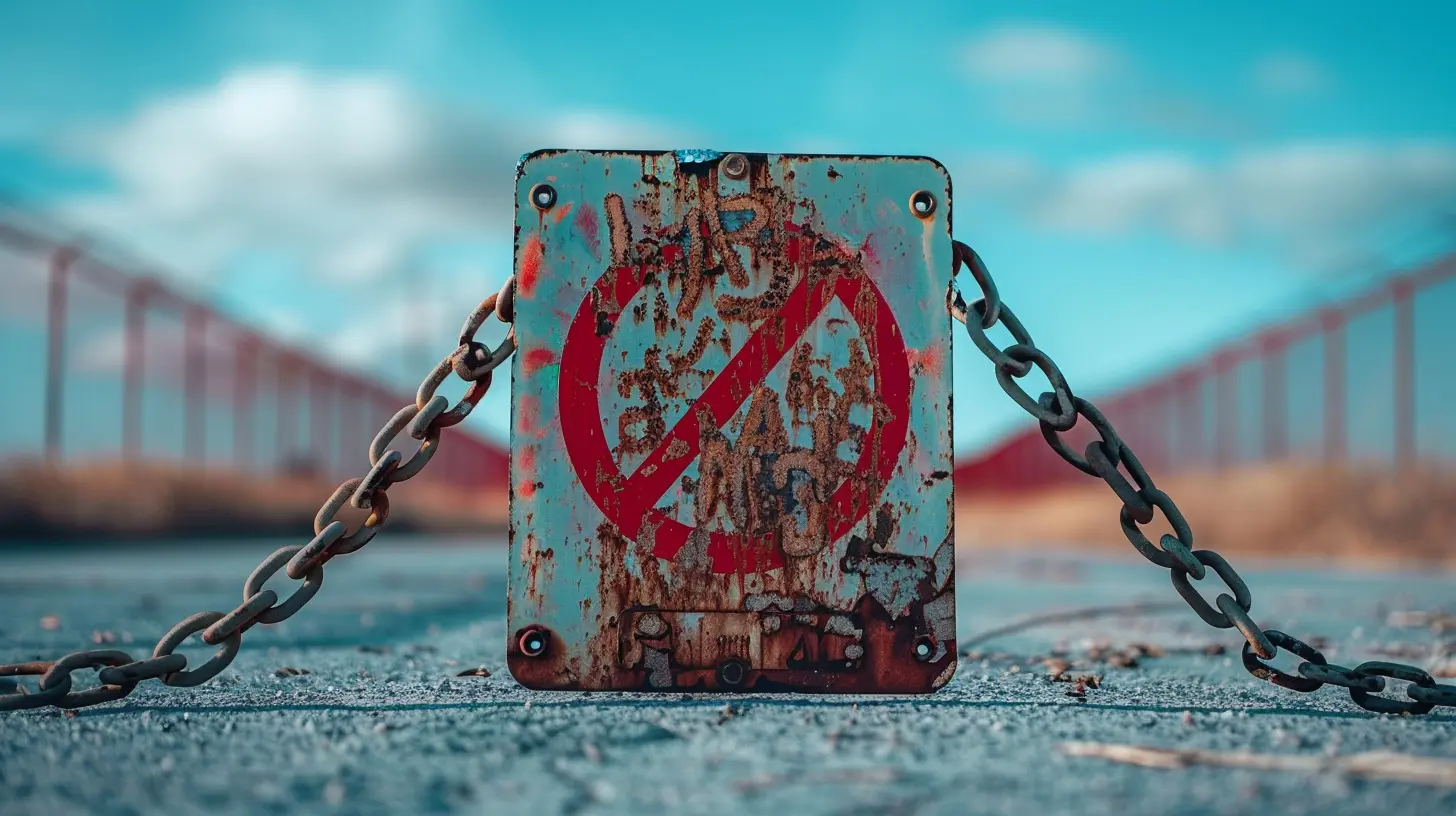
Are HOA Fines Always Enforceable?
Here’s the million-dollar question: Are HOA fines always enforceable? Not necessarily. If you believe a fine is unfair or incorrectly issued, you might have recourse. Let’s look at a few scenarios where a fine might not hold up:1. Vague or Unclear Rules: If the HOA rule you allegedly broke is poorly written or too vague, you might be able to challenge the fine.
2. Lack of Proper Notice: If the HOA didn’t follow the proper notification process, the fine might be considered invalid.
3. Discrimination or Unfair Treatment: HOAs are required to treat all homeowners equally. If you can prove bias or discrimination, the fine may not stand.
4. State Law Violations: If the HOA fine contradicts state or local laws, it’s unlikely to hold up in court.
How to Dispute an HOA Fine
Think your HOA made a mistake? You don’t have to just roll over and pay the fine. Here are some steps you can take:1. Review Your Documents: Start by carefully reading the HOA’s governing documents, especially the sections related to rules, violations, and fines.
2. Request a Hearing: Most HOAs offer a formal hearing process where you can present your case to the board.
3. Gather Evidence: What proof do you have that the fine is unfair? Photos, witness statements, or similar examples can be helpful.
4. Consult an Attorney: If the stakes are high, a lawyer with HOA expertise can help you navigate the legal process.
5. Mediation or Arbitration: Some disputes can be resolved outside of court through these alternative methods.
Remember: Being respectful and professional in your dealings with the HOA can go a long way in resolving conflicts.
Tips to Avoid HOA Fines
Nobody likes getting fined. If you’d prefer to avoid the hassle altogether, here are a few tips to stay on your HOA’s good side:- Read (and Reread) the Rules: Knowledge is power. Make sure you’re familiar with your community’s CC&Rs so you know what’s expected.
- Communicate: If you’re going to be in violation of a rule temporarily (e.g., you’re repainting your house), let the HOA know in advance.
- Attend Meetings: Staying involved in your HOA’s meetings can give you a better understanding of how decisions are made.
In short, a little bit of awareness and communication can save you a ton of stress—and potentially some money!
Final Thoughts
Dealing with HOA fines can feel frustrating, but understanding your rights and responsibilities is half the battle. Yes, HOAs are allowed to impose fines, but they have to play by the rules just like you do. Whether you’re trying to contest a fine or just avoid getting one in the first place, staying informed is the key to a harmonious HOA experience.At the end of the day, HOAs are there to maintain the community’s standards—not to play the bad cop. But let’s be real, sometimes it can feel like you’re living in the principal’s office. The trick is to know the rules and stand up for yourself when necessary. After all, it’s your home—make sure it feels like one.
all images in this post were generated using AI tools
Category:
Hoa GuidelinesAuthor:

Lydia Hodge
Discussion
rate this article
2 comments
Winter James
Understanding HOA rules can feel tricky, but a little knowledge goes a long way. Stay informed and stay friendly!
July 11, 2026 at 4:54 AM
Lydia Hodge
Absolutely, staying informed helps navigate those rules. Thanks for sharing your thoughts!
Elijah Weber
This article provides a clear overview of HOA fines and their enforcement. It's important for homeowners to understand their rights and the limitations of HOAs. Knowledge really is power in these situations... Great read!
June 15, 2026 at 2:50 AM
Lydia Hodge
Thank you for the kind words! I'm glad you found the article helpful. Understanding your rights is crucial when dealing with HOAs.