Boosting Curb Appeal with Simple Landscaping Techniques
12 August 2026
First impressions matter, and in real estate, that first impression happens before a buyer even steps out of the car. Curb appeal is not about spending a fortune on exotic plants or installing a koi pond. It is about creating a sense of order, warmth, and invitation that makes people want to see more. The good news is that most of the highest-impact changes are surprisingly simple, affordable, and achievable over a single weekend.
The mistake many homeowners make is thinking that landscaping means constant maintenance or a complete overhaul. In reality, the goal is to frame your home in a way that highlights its best features while minimizing its flaws. Think of your front yard as the cover of a book. If the cover is cluttered, faded, or confusing, no one bothers to read the first page. If it is clean, balanced, and hints at a good story, people are already invested before they walk through the door.
Let's break down the techniques that actually work, why they work, and where people usually go wrong.
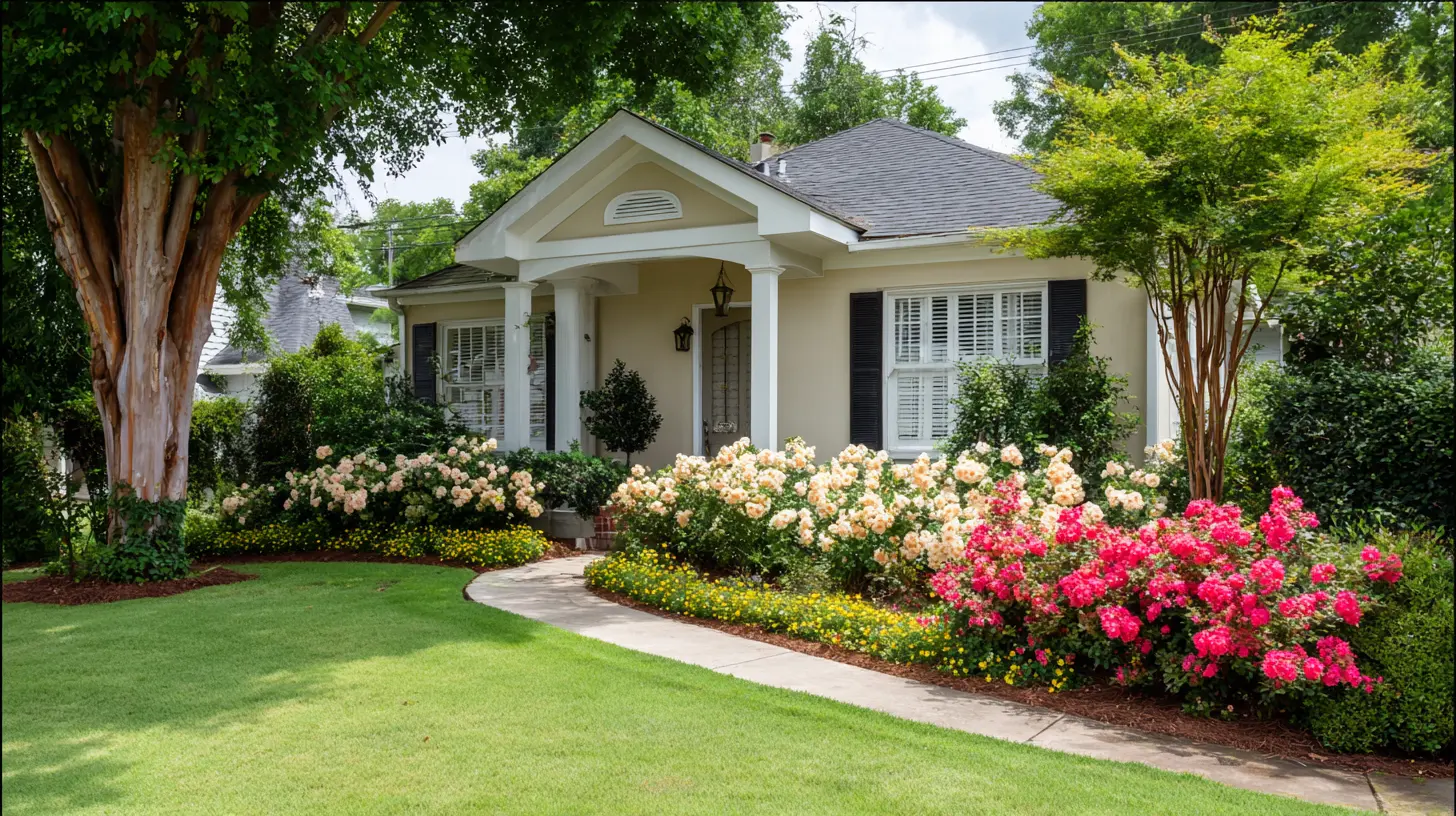
The True Cost of Neglect
Before we get into the how, it is worth understanding the why. A tired, overgrown yard does more than just look bad. It signals to a potential buyer that the property may have been neglected on the inside as well. This is a psychological shortcut that appraisers and agents see all the time. A home with poor curb appeal can sell for five to ten percent less than an identical home with a well-kept exterior. That is not a statistic pulled from thin air; it is a general observation from years of market behavior.Conversely, a well-landscaped yard can add perceived value that far exceeds the cost of the work. The return on investment for basic landscaping is often higher than for a kitchen remodel, simply because it is cheaper to execute and the visual impact is immediate. You are not just selling a house. You are selling a lifestyle, a sense of pride, and a promise that this home has been cared for.
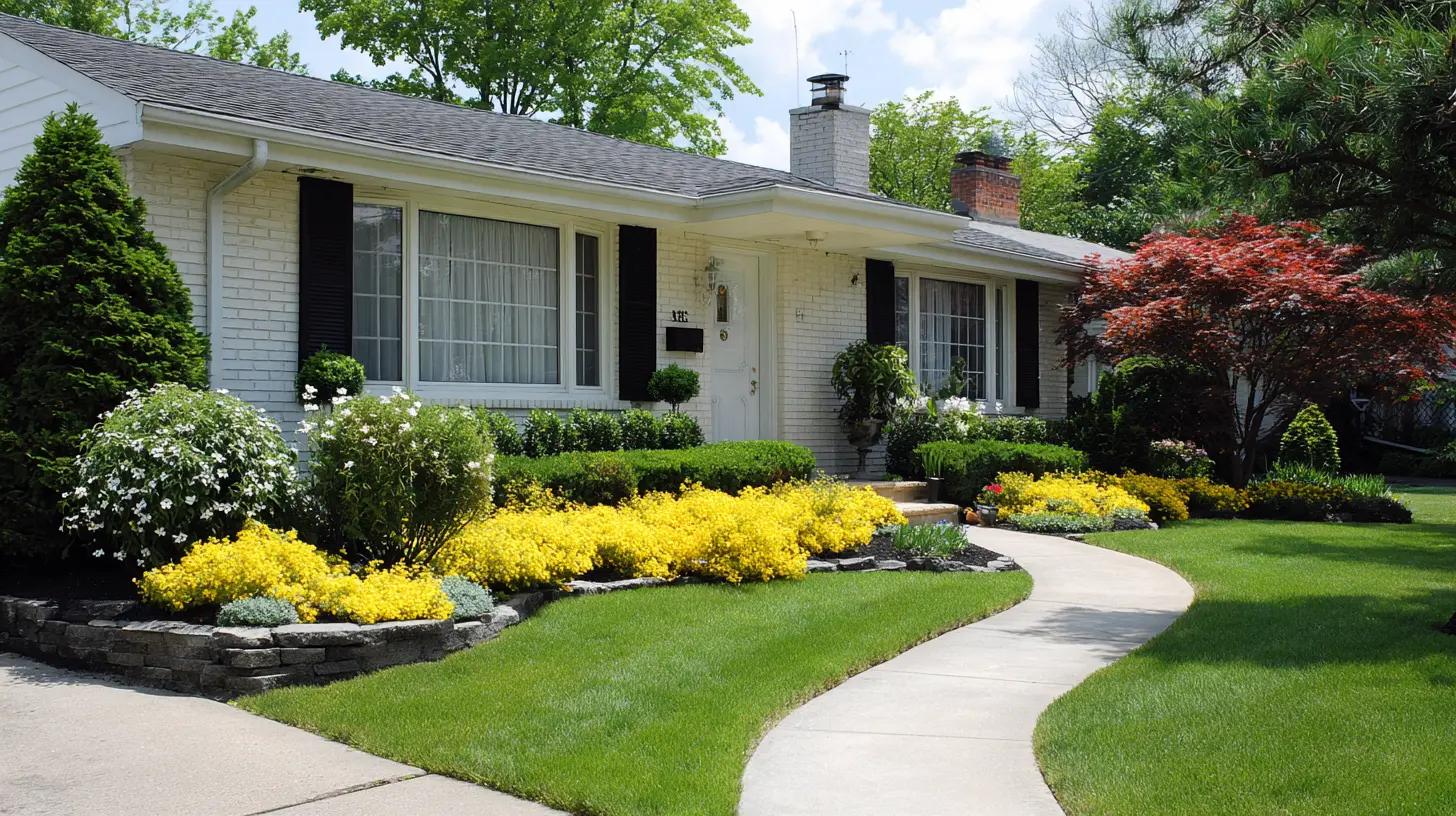
Start with the Bones: The Lawn
The lawn is the canvas for everything else. No amount of fancy shrubs or colorful flowers can compensate for a patchy, weedy, or uneven stretch of grass. But before you reach for the sod cutter, consider what you actually have.Mowing Matters More Than You Think
The single cheapest improvement you can make is a proper mowing job. That does not mean just running the mower over the grass. It means setting the blade to the correct height. Scalping the lawn, cutting it too short, stresses the grass and allows weeds to take hold. For most cool-season grasses, a height of three to four inches is ideal. For warm-season grasses like Bermuda, two to three inches is better. The rule of thumb is never to cut off more than one-third of the blade length at a time.A sharp blade is non-negotiable. A dull blade tears the grass rather than cutting it, leaving ragged brown tips that make the whole lawn look singed. Sharpen your blade at the start of the season and again mid-summer. It takes ten minutes and makes a world of difference.
Edge It Like You Mean It
Here is where most people fail. A lawn that is mowed but not edged looks sloppy. The grass creeping over the sidewalk or driveway blurs the line between the hardscape and the softscape. Edging creates a crisp, clean transition that immediately reads as "maintained."You have two options: a manual edger or a powered string trimmer. The manual edger creates a deeper, more defined V-shaped groove that lasts longer. The string trimmer is faster but tends to leave a rounded, less distinct edge. For the best result, use the manual edger once a season to establish the line, then maintain it with the trimmer.
The Bare Patch Problem
Bare spots are an eyesore, but they are also a clue. They usually indicate one of three things: compaction, poor drainage, or grub damage. Throwing grass seed on top of compacted soil is a waste of time. You need to loosen the soil, add a thin layer of compost, and then seed.For small patches, a hand cultivator works fine. For larger areas, consider renting a core aerator. Aeration pulls plugs of soil out of the ground, allowing air, water, and nutrients to reach the roots. It is one of the most underrated lawn treatments. Do it in the fall for cool-season grass and in late spring for warm-season grass.
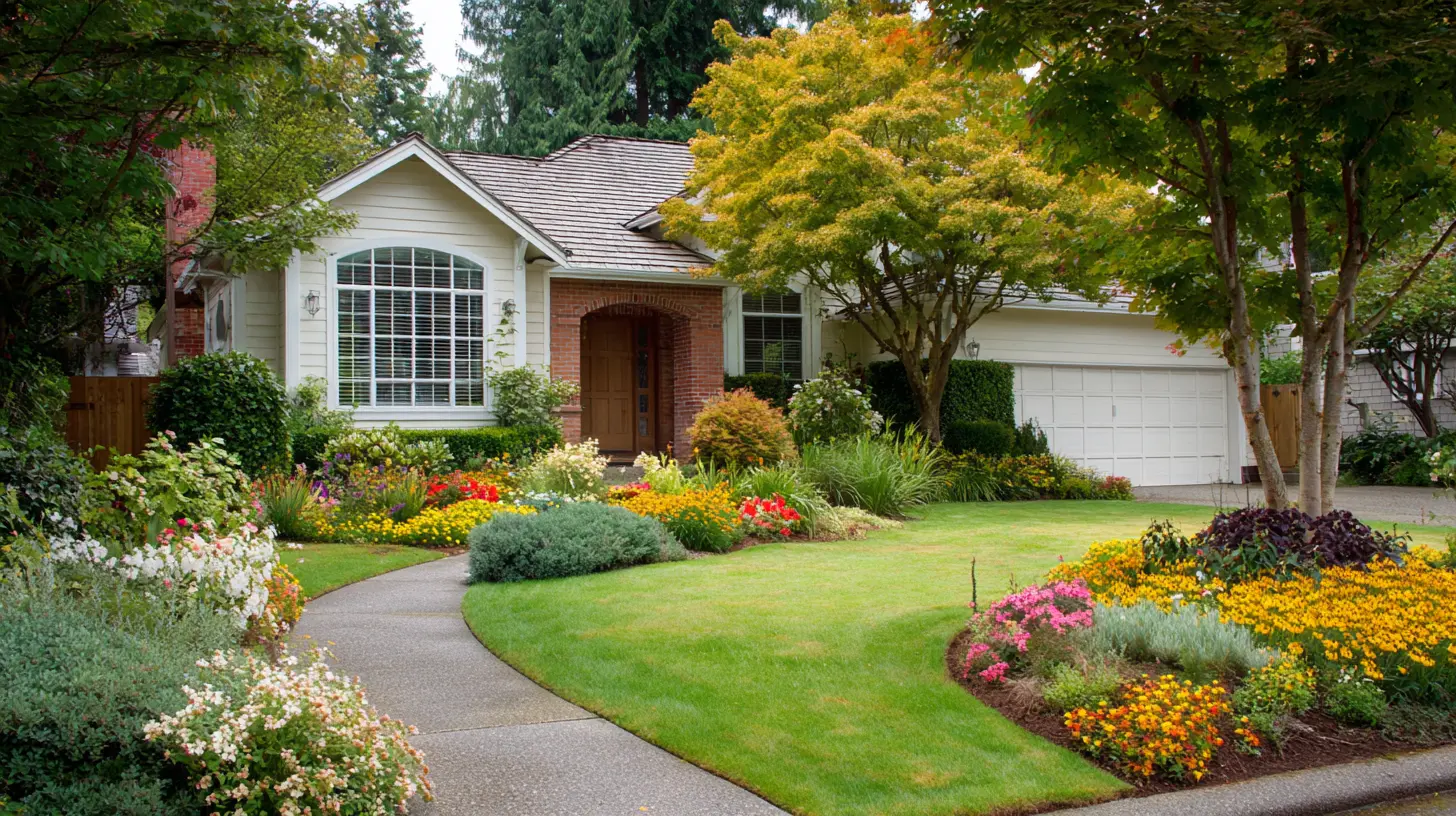
The Foundation Planting: Less Is More
The classic mistake is the "meatball" look: a row of round shrubs spaced evenly along the foundation, each one trimmed into a perfect sphere. This is the landscaping equivalent of a bad comb-over. It is dated, boring, and actually hides the architecture of your home.Rethink the Purpose
Foundation plantings should do three things: anchor the corners of the house, soften the transition from the ground to the wall, and guide the eye toward the front door. They should not be a solid wall of green.Start by removing any shrubs that are overgrown or blocking windows. If a shrub is taller than the bottom of your window sill, it is too big. It is either going to be a constant battle to keep it trimmed, or it is going to make the house look like it is wearing a heavy beard.
The Rule of Three
When planting new shrubs, think in odd numbers. Groups of three or five look more natural than pairs or singles. This is not a hard rule, but it works because odd numbers create a sense of asymmetry that mimics nature. Pair them with a mix of textures. A broad-leaf evergreen like an azalea or a rhododendron pairs well with a fine-textured ornamental grass.Scale and Proportion
This is where the experts separate themselves from the amateurs. A small bungalow with a massive, spreading juniper looks top-heavy. A large two-story colonial with tiny, wispy grasses looks bare. The planting should be in proportion to the house. A good rule is that the mature height of the shrub should be no more than one-third the height of the wall it is planted against. And the width should leave at least a foot of clearance from the siding to allow for air circulation and prevent moisture damage.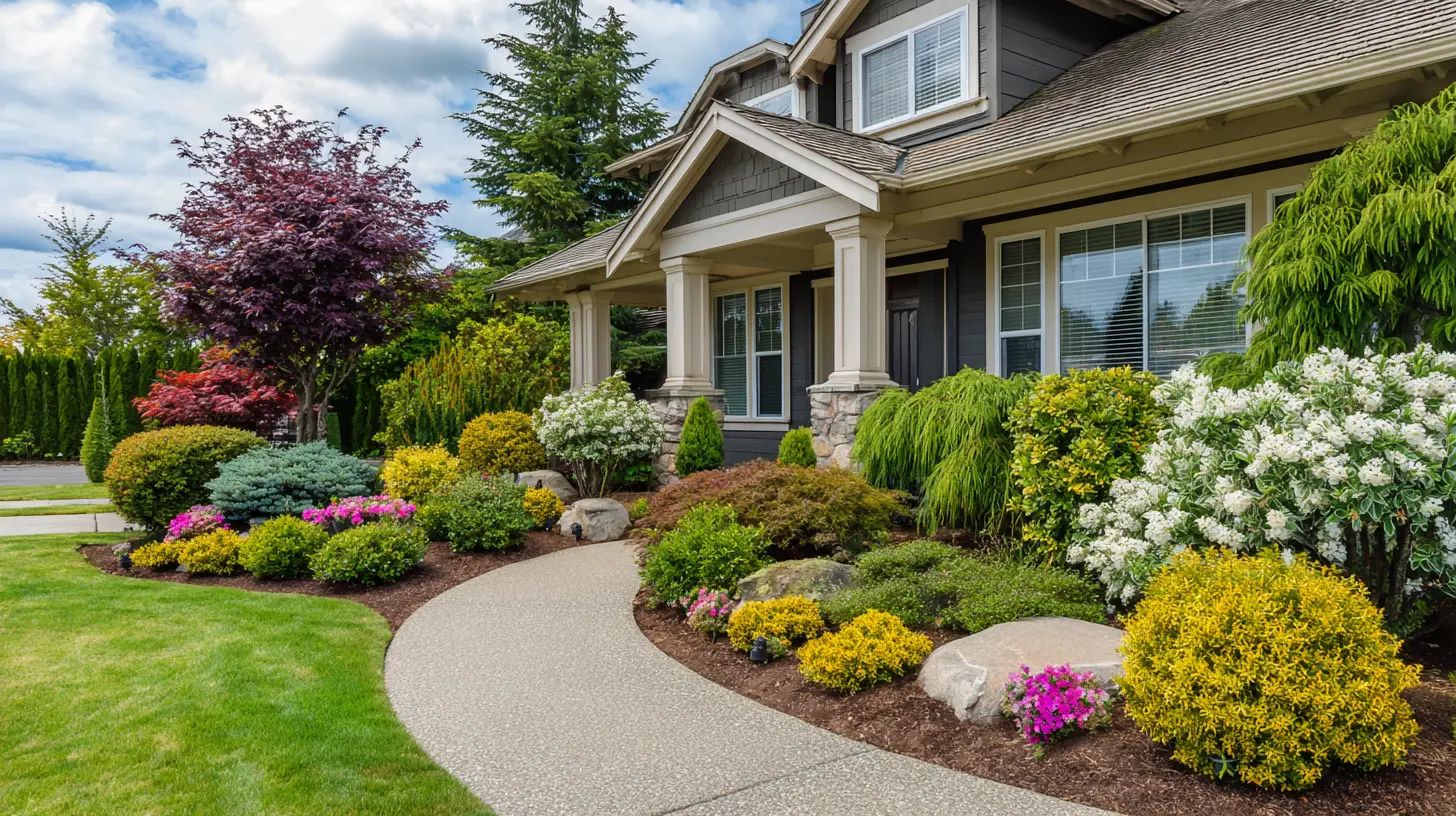
The Front Door: The Focal Point
The front door is the destination. Everything else in the landscape should be a supporting actor. If the door is hard to find or visually lost, the entire yard feels aimless.The Power of a Pot
A pair of large, matching planters flanking the front door is one of the highest-impact, lowest-effort changes you can make. The key word is "large." Small, dinky pots get lost. You want pots that are at least eighteen inches in diameter, preferably larger.What you put in them matters less than how you arrange it. Use the "thriller, filler, spiller" method. The thriller is a tall, dramatic plant in the center, like a cordyline or a dwarf grass. The filler is a mounding plant around the base, like a begonia or a petunia. The spiller is a trailing plant that hangs over the edge, like ivy or a sweet potato vine.
This combination creates instant depth and volume. It looks expensive, but it is just three plants per pot.
Color with Restraint
A pop of color at the door is great. A rainbow of every flower you could find at the garden center is not. Stick to a palette of two or three colors. They should complement the color of your front door and the siding of your house. For example, a deep red door looks fantastic with white or silver foliage plants. A blue door pairs well with yellow or orange flowers for contrast.The Walkway
The path to the door should be clear, wide enough for two people to walk side by side, and free of obstacles. Overhanging branches that force you to duck are a major turnoff. Cracks in the concrete or loose pavers are a safety hazard and a red flag.If your walkway is in bad shape, you do not necessarily need to repave. A simple fix is to power wash it and then fill any small cracks with polymeric sand. For a more dramatic change, consider adding a border of low-growing ground cover along the edge. This softens the hard lines and makes the path feel intentional.
Mulch: The Unsung Hero
Mulch is the makeup of the landscape. It covers imperfections, unifies the beds, and gives everything a finished look. But not all mulch is created equal, and how you apply it matters.The Double Shredded Bark Advantage
Double shredded hardwood bark is the gold standard for most front yards. It breaks down slowly, stays in place better than nuggets, and has a rich, dark color that makes green foliage pop. It also has a pleasant, earthy smell that adds to the sensory experience.Avoid dyed mulch, especially the bright red or black varieties. The dye fades quickly, and when it does, it leaves a patchy, unnatural look. Natural mulch may fade to a grayish tone over time, but that is a normal process and can be refreshed with a light top-up.
The Volcano Mistake
This is the most common and most damaging landscaping error. Piling mulch up against the trunk of a tree looks like a volcano. It traps moisture against the bark, leading to rot, disease, and insect infestations. It also encourages roots to grow upward into the mulch, where they are vulnerable to drought and cold.The correct way is to spread mulch in a flat, even layer, two to three inches deep, and pull it back so it does not touch the trunk. You should be able to see the root flare, the point where the trunk widens at the base. This is a critical detail that many professionals get wrong, so do not be afraid to correct it on your own property.
How Much Do You Need?
A common mistake is buying too little or too much. To calculate, multiply the length and width of your bed to get the square footage. Then, divide by 100 to get the number of cubic yards needed for a three-inch layer. For example, a 200 square foot bed needs about two cubic yards. It is better to buy slightly more than you think you need, as the mulch will settle and compact after a few weeks.
Lighting: The After-Hours Advantage
Most people never think about lighting, but it is the secret weapon of high-end homes. A well-lit exterior extends the time you can enjoy the yard and adds a layer of security. It also makes the house look more expensive, even if the fixtures were relatively cheap.The Goal Is Not to Flood
The goal of landscape lighting is to create shadows and depth, not to illuminate everything like a football stadium. You want to highlight the texture of the bark on a tree, the lines of the architecture, and the path to the door.Use a mix of three types of lighting. Uplights, placed at the base of a tree or a tall shrub, shine upward to create a dramatic silhouette. Downlights, placed in a tree or under the eaves, cast a soft, moonlit glow. Path lights, low fixtures along the walkway, guide visitors safely to the door.
Solar vs. Low Voltage
Solar lights are cheap and easy to install, but they are often dim and unreliable. They work well in sunny spots for marking a path, but they do not provide enough light for highlighting architectural features. Low voltage lighting, which runs on a transformer, is more expensive but far superior. The light is brighter, more consistent, and the fixtures are more durable.If you are on a budget, start with a single low voltage kit that includes a transformer and a few path lights. You can always add more fixtures later. The impact of even a few well-placed lights is dramatic.
The Driveway and Hardscape
The driveway is often the largest hard surface on the property, and it is easy to ignore. Cracks, oil stains, and weeds growing through the joints all detract from the overall impression.The Cleaning Fix
A pressure washer is your best friend. Rent one for a day or hire a professional. Cleaning the driveway and the sidewalk can take years off the appearance of the home. Pay special attention to the area near the garage door, where oil drips and tire marks accumulate.For stubborn oil stains, use a degreaser or a product specifically designed for concrete. Apply it, let it sit, then scrub with a stiff brush before rinsing.
The Edge of the Drive
The line where the driveway meets the lawn is another edge that needs definition. If the concrete is sinking or the grass is creeping over, you have a few options. You can install a steel or plastic edging strip to create a clean line. Or, you can dig a shallow trench and fill it with gravel or river rock. This creates a buffer zone that is easy to maintain and looks intentional.The Paver Upgrade
If your driveway is in truly bad shape, repaving is the only real fix. But if it is just ugly, consider a less expensive option: painting or staining. Concrete stains and paints have improved dramatically in recent years. A fresh coat of a neutral, earthy tone can transform a dull gray slab into a stylish feature. Just make sure the surface is clean and properly prepared, or the paint will peel within a year.
Seasonal Adjustments and Maintenance
Curb appeal is not a one-time project. It is a seasonal commitment. The good news is that the work becomes easier and faster once the initial cleanup is done.Spring
This is the time for the big push. Clean up any winter debris, prune dead branches, and apply a fresh layer of mulch. This is also the best time to plant new shrubs and perennials, as the soil is moist and the temperatures are mild.Summer
The main tasks are watering and deadheading. Removing spent flowers encourages more blooms and keeps the plants looking tidy. This is also the time to stay on top of weeding. A weed-free bed looks ten times better than a bed with a few flowers but a lot of weeds.Fall
This is for planting. The soil is still warm, but the air is cool, which is perfect for root establishment. Fall is also the best time to aerate the lawn and overseed. Rake leaves regularly, as a thick layer of wet leaves can smother the grass.Winter
In most climates, the yard goes dormant. But you can still maintain curb appeal. Keep the walkways clear of ice and snow. Consider adding a winter planter with evergreen boughs and berries near the door. This adds a touch of life to an otherwise barren landscape.Common Misconceptions and Mistakes
Let's address a few myths that lead people astray.Myth: More Plants Is Better
This is false. Overplanting leads to overcrowding, which leads to disease and constant pruning. A few well-chosen, healthy plants spaced properly are far more attractive than a jungle of struggling specimens.Myth: You Need a Lawn Service
You do not. Many people hire a lawn service out of fear, not necessity. The basic tasks of mowing, edging, and weeding are not difficult. They just require consistency. If you are physically able, doing it yourself saves money and gives you a better understanding of your property.Myth: Rocks Are Maintenance-Free
Landscape fabric and river rock might seem like a low-maintenance solution, but they are not. Weeds will eventually grow through the fabric, and when they do, they are a nightmare to pull because the roots get tangled in the fabric. Rock also absorbs heat and radiates it back at your plants, stressing them in the summer. Use rock sparingly, and never over fabric.Mistake: Ignoring the Gutters
This is not strictly landscaping, but it is part of the exterior impression. Clogged gutters that are overflowing with leaves and debris are a major eyesore. They also cause water to spill over the edge, eroding the soil and splashing mud onto the siding. Clean your gutters at least twice a year, and make sure the downspouts direct water away from the foundation.
The Practical Plan of Action
If you are starting from scratch, do not try to do everything at once. You will get overwhelmed and give up. Instead, follow this order of operations.First, do the hard work. Clean the yard, remove debris, and prune anything that is dead or overgrown. This is the unglamorous part, but it is the foundation.
Second, focus on the lawn. Mow, edge, and address any bare spots. A healthy lawn is the single biggest visual factor.
Third, tackle the beds. Remove weeds, define the edges, and apply fresh mulch. This will instantly make the yard look neater.
Fourth, add the plants. Start with the foundation shrubs, then move to the front door pots. Do not buy everything at once. Buy a few high-quality specimens rather than a dozen cheap ones.
Finally, add the finishing touches. Clean the walkway, install some lighting, and paint the front door if it needs it.
The Final Word on Value
Curb appeal is not about impressing the neighbors, though that is a nice side effect. It is about respecting the investment you have made in your home. A well-kept exterior tells the world that you care. It makes the home easier to sell, more enjoyable to live in, and more valuable in the long run.The techniques here are simple, but they are not always easy. They require effort and consistency. But the payoff is real. The next time you pull into your driveway, take a good look at your house from the street. Would you want to buy it? If the answer is not a confident yes, then you know what to do.
all images in this post were generated using AI tools
Category:
Home ImprovementAuthor:

Lydia Hodge
Discussion
rate this article
1 comments
Isaac Snow
I wonder how much impact simple landscaping could truly have on a property's value. It's interesting to think that a few plants or a clean path might make such a big difference. What specific techniques do you think are most effective for enhancing curb appeal?
August 18, 2026 at 2:21 AM