Downsizing for Empty Nesters: How to Make the Most of Your New Space
16 March 2026
So, the kids have all grown up and moved out, leaving you with a big house that suddenly feels too empty. Sound familiar? If you're an empty nester considering downsizing, you're not alone! Many couples find that a smaller space is not just more manageable but also a great way to embrace a fresh start.
But let’s be honest—downsizing can be emotional and overwhelming. Where do you even begin? How do you decide what to keep? And most importantly, how can you make the most of your new, smaller space? Don’t worry—we’ve got you covered.

Why Downsizing Can Be a Smart Move
First things first—why even downsize? Well, there are plenty of good reasons:- Less Maintenance – A smaller home means fewer rooms to clean and less yard work. Who wouldn’t want that?
- Lower Costs – Fewer square feet often mean lower mortgage payments, property taxes, and utility bills.
- More Freedom – With a smaller home, you can finally travel, take up new hobbies, or just enjoy life without constant home maintenance.
- A Fresh Start – A move like this gives you the chance to declutter, simplify, and design a space that truly suits your new lifestyle.
Now that we’ve covered the “why,” let’s jump into the “how.”

Step 1: Decluttering—What to Keep, What to Let Go
Downsizing doesn’t just mean moving into a smaller space; it means deciding what stays and what goes. And let’s be real—this can be tough.The 6-Month Rule
Haven’t used it in the last six months? Chances are, you don’t need it. Be honest with yourself—if an item doesn’t serve a purpose or bring you joy, it might be time to let it go.Sentimental Items—Keep or Donate?
We all have those things that tug at our heartstrings. Family heirlooms, photo albums, your kid’s old school projects—how do you decide what to keep? The best approach is to:- Keep only the truly meaningful items.
- Take photos of sentimental objects before donating them.
- Pass cherished items to family members who will appreciate them.
Clothing & Furniture
A smaller home means less closet space. Be ruthless—if you haven’t worn something in a year, it’s probably time to donate it. The same goes for oversized furniture. If it won’t fit or will make your new space feel cramped, it’s better to replace it with something more practical.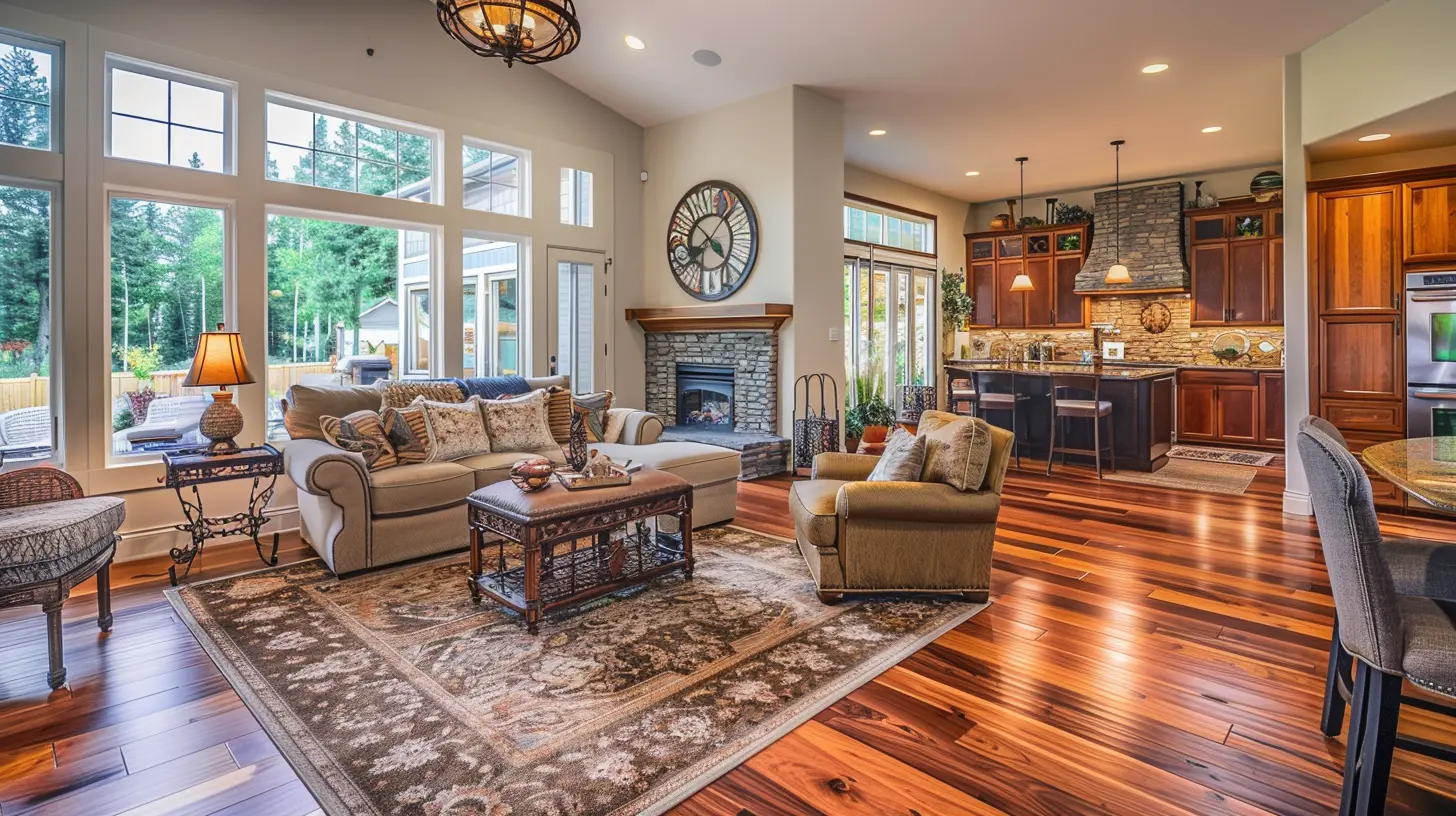
Step 2: Choosing the Right Home for Your Next Chapter
Now that you’ve downsized your belongings, it’s time to pick a new place to live. But how do you know what’s right for you?Consider Your Lifestyle
- Do you want to be close to family and friends?- Would you rather live in a walkable community with nearby amenities?
- Are you looking for a low-maintenance condo or a small single-family home with a yard?
Think about what will truly improve your daily routine.
Single-Story vs. Multi-Level
As you age, stairs can become a hassle. A single-story home might be a more practical choice in the long run.Location Matters
Now’s your chance to live where you’ve always wanted! Whether it’s a peaceful neighborhood, a bustling city, or even a beachfront retreat, choose a place that excites you.
Step 3: Making the Most of Your New, Smaller Space
Downsizing doesn’t mean downgrading. With the right strategies, your new home can feel bigger, more comfortable, and more functional than ever.Smart Storage Solutions
When space is limited, storage is everything. Some great ways to maximize your new home include:- Multi-functional furniture – Think ottomans with hidden storage or beds with built-in drawers.
- Vertical storage – Use tall shelves and wall-mounted organizers to take advantage of every inch.
- Hidden storage – Look for couches with storage compartments or tables with extra drawers.
Light & Color Tricks
Want your new place to feel larger? Play around with these:- Light colors – Whites, creams, and pastels make a room feel airy and spacious.
- Mirrors – Strategically placed mirrors can create an illusion of more space.
- Natural light – Open the curtains and let the sunlight in!
Personal Touches That Make It Feel Like Home
Just because you’re downsizing doesn’t mean your new space shouldn’t reflect your personality. Hang meaningful artwork, decorate with favorite colors, and keep a few special mementos to make it feel like home.Step 4: Financial Benefits of Downsizing
One of the biggest perks of moving to a smaller home? Saving money.Lower Mortgage or No Mortgage at All
If you’ve built up equity in your current home, selling it and buying a smaller home could mean eliminating your mortgage altogether. Imagine what you could do with that extra cash!Lower Monthly Expenses
A smaller home often means:- Lower property taxes
- Cheaper utility bills
- Less maintenance and repair costs
That’s more money in your pocket for travel, hobbies, or just enjoying life.
Extra Money from Selling Unneeded Items
Selling furniture, antiques, or other belongings you no longer need can put extra cash in your pocket. Consider hosting a garage sale or selling items online.
Step 5: Emotionally Preparing for the Move
Let’s face it—downsizing is not just a physical process; it’s an emotional one too. Leaving behind a home full of memories can be tough. Here’s how to handle it:Acknowledge the Change
It’s okay to feel a mix of emotions. Give yourself time to process the transition.Focus on the Positives
Instead of dwelling on what you’re leaving behind, get excited about what’s ahead: Less upkeep, more freedom, and a fresh start!Stay Connected with Loved Ones
Just because you’re moving doesn’t mean you have to lose touch. Plan regular visits, Facetime with family, and keep traditions alive in your new space.Conclusion
Downsizing for empty nesters isn’t just about moving into a smaller home—it’s an opportunity for a new beginning. By decluttering, choosing the right home, and making smart use of your space, you can create a comfortable, stress-free environment that suits your new lifestyle.So, if you’ve been considering downsizing, now might be the perfect time. After all, life should be about making memories, not maintaining a house that’s too big for your needs. Embrace the change and make the most of your new adventure!
all images in this post were generated using AI tools
Category:
DownsizingAuthor:

Lydia Hodge
Discussion
rate this article
2 comments
Alana Willis
Embrace new beginnings—downsizing can be truly rewarding!
March 18, 2026 at 12:45 PM
Lydia Hodge
Thank you! Embracing new beginnings can indeed lead to rewarding experiences and a fresh perspective on living.
Maverick Larsen
Great insights! Downsizing can be a daunting process, but your tips offer practical guidance. I'm looking forward to embracing a simpler lifestyle in a cozy new space!
March 17, 2026 at 12:42 PM
Lydia Hodge
Thank you for your kind words! I'm glad you found the tips helpful—wishing you all the best on your downsizing journey!