Electric Cars and Your HOA: Charging Station Guidelines
27 January 2026
Electric vehicles (EVs) are becoming more popular by the day. They're quiet, environmentally friendly, and can save homeowners a lot of money on gas. But if you live in a neighborhood with a homeowners association (HOA), you might be wondering—can you install a charging station without running into issues?
HOAs have rules about everything from lawn decor to parking, and EV chargers are no exception. Some associations have clear guidelines in place, while others are still figuring things out. If you’re an EV owner or considering getting one, understanding your HOA’s charging station policies is crucial.
So, let’s break down what you need to know about EV charging stations in HOA-governed communities.
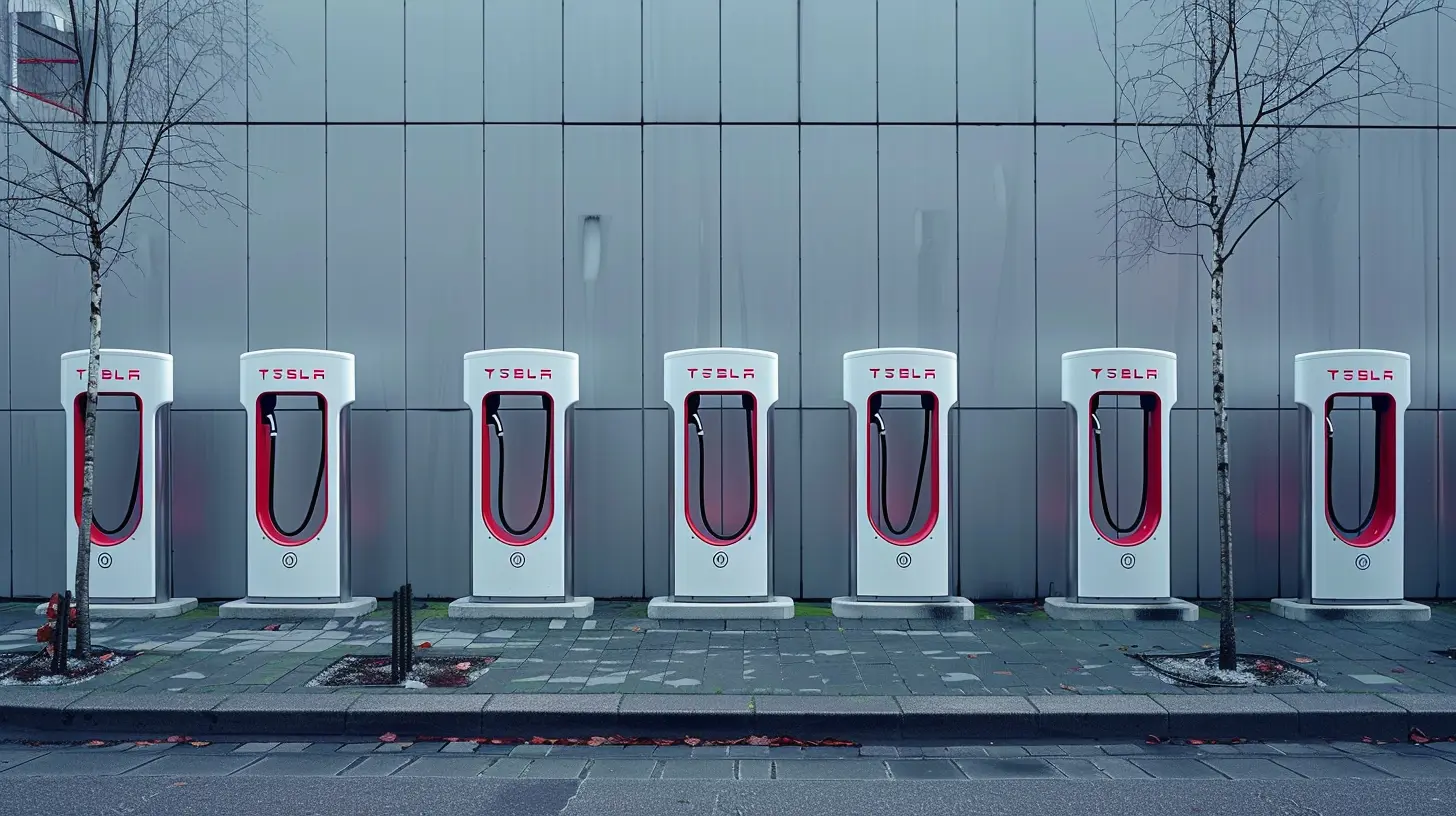
Are HOAs Legally Allowed to Regulate EV Chargers?
Yes, HOAs can regulate the installation and use of EV charging stations on shared or private property. However, their authority depends on state laws and HOA bylaws. Some states, like California, have legislation preventing HOAs from outright banning EV chargers, while others allow more HOA control.If you’re in an HOA community, check your local laws. Some states require HOAs to allow EV charging stations, but they may still set reasonable restrictions regarding placement, aesthetics, and installation requirements.
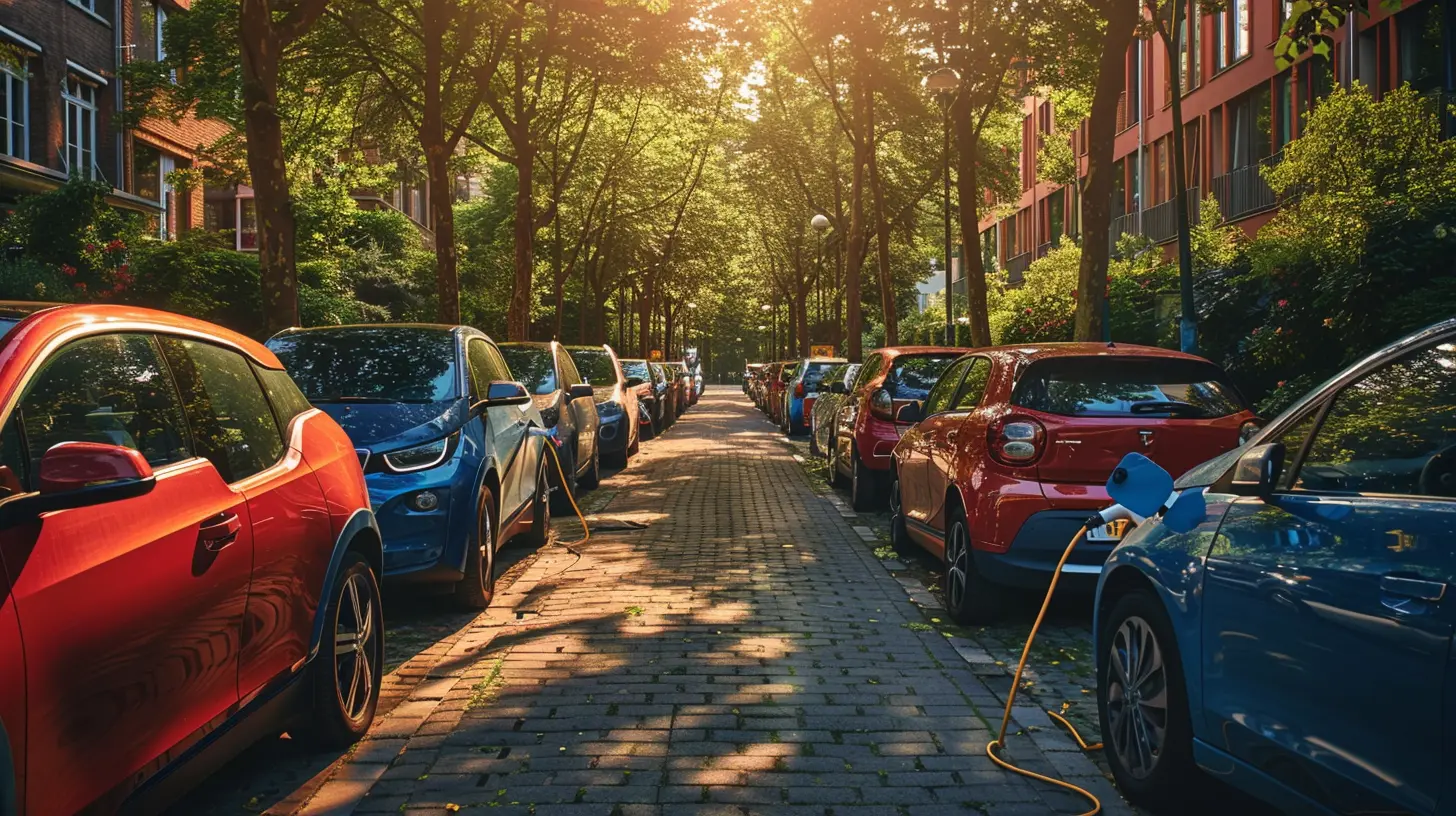
Common HOA Concerns About EV Charging Stations
Homeowners associations aren’t just being difficult for no reason—at least, not always. They have certain responsibilities to maintain the community’s appearance, protect homeowner interests, and manage shared resources.Here are a few of the most common concerns HOAs have about EV chargers:
1. Aesthetic Impact
HOAs love uniformity. Whether it's mailbox designs or fence heights, everything needs to look consistent. A bulky, wall-mounted EV charger or visible wiring could be seen as an eyesore. Some HOAs may require chargers to be installed out of sight or in a way that blends with the surroundings.2. Electricity Costs & Liability
Charging an EV uses a decent amount of electricity. If you’re charging from a shared electrical system in a condo or townhome community, who pays the bill? Some HOAs worry about residents freeloading on common-area electricity, while others are concerned about liability if an improperly installed charger causes a fire or damages the electrical grid.3. Installation & Property Damage
Improper EV charger installations can lead to wiring issues, tripped breakers, or even fires. HOAs often require professional installation and may demand proof of compliance with building codes, insurance, and warranties.4. Parking & Space Availability
In communities where parking is limited, adding EV chargers could take up extra space. Some HOAs worry about non-EV owners feeling inconvenienced if dedicated EV spots reduce general parking availability.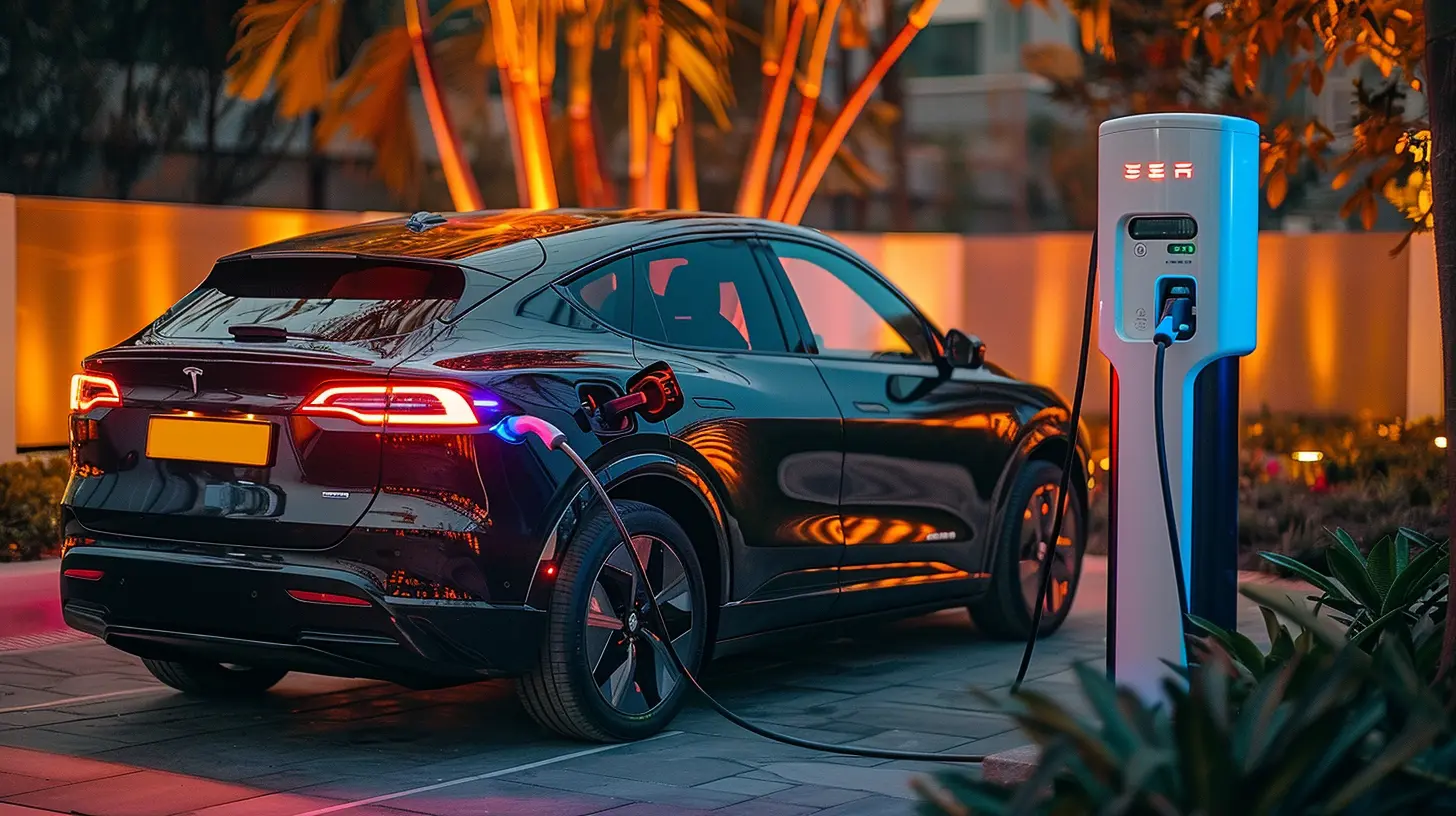
How to Get HOA Approval for an EV Charger
If your HOA requires approval for an EV charger—and many do—you’ll need to follow their process carefully. Here’s how to increase your chances of getting the green light:1. Check HOA Rules & State Laws
Start by reviewing your HOA’s governing documents (CC&Rs) to see if there are existing rules about EV chargers. If nothing is mentioned, look up your state laws. Some states have EV-friendly legislation that your HOA must follow.2. Submit a Formal Request
Most HOAs require homeowners to submit a request before installing an EV charger. This typically includes:- A description of the charger and its specifications
- A proposed installation location
- Proof of professional installation
- Compliance with local building codes
- An assurance that the homeowner will cover all costs
3. Address Common HOA Concerns
If you anticipate pushback, be proactive. Provide solutions for common concerns, such as:- Offering to install the charger in a less visible location
- Proposing to use your personal electrical meter rather than shared electricity
- Ensuring a licensed electrician completes the installation
4. Work with Your Neighbors
If multiple neighbors are interested in EV chargers, approach the HOA as a group. There’s strength in numbers, and an HOA may be more inclined to update their policies if several homeowners express interest.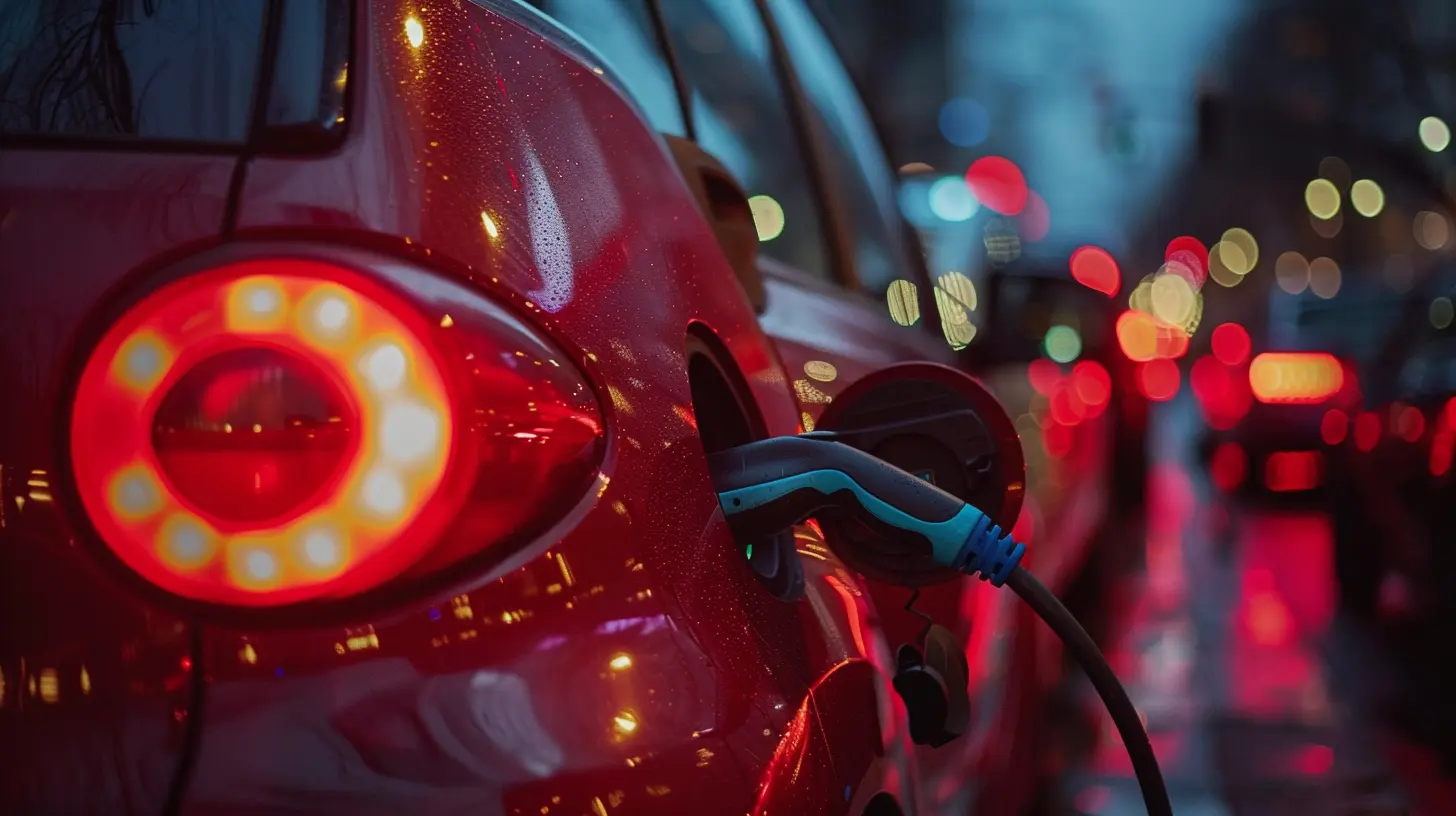
HOA-Friendly EV Charging Solutions
Even if your HOA has strict rules, there are often ways to make EV charging work. Here are some solutions that could help:1. Install a Non-Permanent Charger
Some portable EV chargers plug into standard outlets and don’t require permanent installation. While they charge slower, they might be a good workaround if your HOA is hesitant about modifications.2. Use Existing Charging Infrastructure
Check if there are public charging stations nearby or if your community already has shared chargers. Some HOAs are open to adding shared charging stations as a community amenity.3. Propose a Community Charging Station
If multiple homeowners drive EVs, suggest that the HOA install a shared charging station in a common area. This can be a win-win—homeowners get access to charging, and the HOA maintains control over its placement and operation.4. Install a Charger in Your Garage
If you have a private garage, installing an EV charger indoors might be the simplest solution. Since it’s out of sight and connected to your personal electrical system, the HOA may have fewer objections.What If Your HOA Denies Your Request?
If your HOA pushes back, don’t panic. There are still options:- Negotiate: Talk to the board and see if there’s a middle ground. Maybe a different location or charger type would be acceptable.
- Check Your State Laws: If your state has laws protecting EV charger installations, you may have legal ground to challenge the decision.
- Seek Professional Help: If you believe your HOA is being unreasonable, consult a lawyer specializing in HOA disputes.
The Future of HOAs and EV Charging
As more people switch to electric cars, HOAs will need to adapt. EV ownership is growing rapidly, and communities that fail to support charging infrastructure could quickly find themselves at a disadvantage.Many forward-thinking HOAs are already updating their policies to accommodate EV owners, recognizing that charging stations add long-term value to their neighborhoods. Some are even installing shared charging stations to attract eco-conscious buyers.
In the coming years, expect more legislative changes that will make it easier for homeowners to install EV chargers, even in HOA communities.
Final Thoughts
If you’re an EV owner living under HOA rules, navigating the charging station approval process might feel like an uphill battle. But with the right approach—understanding your rights, following HOA procedures, and addressing concerns—you can increase your chances of approval.Electric vehicles are here to stay, and HOAs will need to adapt. The key is to work with your HOA, not against them, to find a solution that benefits everyone.
all images in this post were generated using AI tools
Category:
Hoa GuidelinesAuthor:

Lydia Hodge
Discussion
rate this article
2 comments
Faryn McGuffin
Empower sustainability through smart planning!
February 6, 2026 at 1:35 PM
Lydia Hodge
Absolutely! Smart planning is key to integrating electric vehicle charging and promoting sustainability in our communities.
Greta Thomas
Exciting times ahead! Let's embrace electric cars in our communities!
January 31, 2026 at 4:45 AM
Lydia Hodge
Absolutely! Embracing electric cars can benefit our communities and enhance sustainability. Let's work together on effective charging station guidelines!