Home Inspection Failures: What Causes Deals to Fall Through
12 January 2026
Buying a home is like falling in love—you want everything to be perfect. But just like an unexpected red flag on a first date, a failed home inspection can turn what seemed like a dream home into a pricey nightmare.
Picture this: You’ve found the perfect house, put in an offer, and started imagining your life there. Then, the home inspector shows up with their flashlight, an intimidating checklist, and a keen eye for trouble. Before you know it, your dream home is suddenly looking more like a financial disaster.
So, what causes home deals to fall apart after an inspection? Let's dive into the most common deal-breakers that send buyers running and sellers scrambling. 
Why Are Home Inspections So Crucial?
Think of a home inspection like a wellness check-up for a house—it’s there to uncover potential issues before they become your problem. A certified inspector examines everything from the foundation to the roof, checking for anything that might need repairs or replacements.For buyers, it’s a reality check. For sellers, it’s a potential deal-breaker. And for real estate agents? Well, let’s just say they hope for a smooth process but prepare for damage control. 
Top Home Inspection Deal-Breakers
Not every issue found during a home inspection means the deal is doomed. Some problems can be negotiated or fixed before closing. But others? They can send buyers heading for the hills.1. Foundation Issues – A Home’s Shaky Ground
A house with foundation problems is like a car with failing brakes—it’s risky, expensive to fix, and not something you want to gamble on. Cracks in walls, doors that won’t close properly, or floors that feel uneven may all point to structural issues.If an inspector finds foundation problems, buyers may need to fork out thousands—sometimes tens of thousands—just to ensure the house won’t start sinking like the Titanic. Unless the seller agrees to major repairs or price adjustments, these deals often collapse.
2. Roof Troubles – A Major Headache
A bad roof isn’t just about missing shingles. It’s about leaks, water damage, potential mold, and a hefty replacement cost. Roofs don’t come cheap, and most buyers aren’t looking to inherit a DIY roofing project the moment they move in.If the inspector finds an aging or damaged roof, buyers might demand repairs or a significant price reduction. But if the seller refuses? Well, that’s often a deal-breaker. Nobody wants to buy a home only to wake up to a ceiling leak on day one.
3. Plumbing Nightmares – The Drip That Drowns Deals
Leaky pipes, slow drains, or low water pressure can seem like minor inconveniences, but they often signal much bigger problems lurking in the plumbing system. If an inspector discovers corroded pipes, sewer line issues, or—heaven forbid—evidence of past flooding due to plumbing failures, buyers may rethink their purchase.Water damage is no joke. It can lead to mold, structural issues, and costly repairs. If plumbing problems are extensive, buyers may simply walk away rather than take on the burden.
4. Electrical Hazards – A Shocking Revelation
Old or faulty wiring is a major red flag in any home inspection. Outdated electrical systems increase the risk of fires, which is enough to send buyers packing.Common red flags include:
- Knob-and-tube wiring (if the home is old)
- Overloaded electrical panels
- DIY electrical work gone wrong
- Flickering lights or outlets that don’t function
If a house needs extensive rewiring, buyers might opt out rather than take on the expense and hassle. After all, nobody wants to move into a house where plugging in a hair dryer could cause the lights to flicker like a haunted mansion.
5. Mold & Mildew – The Silent Deal Killer
Nothing sends buyers running quite like the discovery of mold. Not only is it ugly and smelly, but it also poses serious health risks.Mold can form due to leaks, poor ventilation, or past water damage, and if it’s widespread, remediation can cost thousands. Some types of mold—like black mold—are particularly concerning since they can cause respiratory issues.
If an inspector finds mold, expect negotiations—or a full-on deal collapse. Few buyers are willing to roll the dice on their health.
6. Termite Troubles – Tiny Pests, Big Problems
A termite infestation is like finding out your dream home has been secretly eaten from the inside out. These little critters can cause major structural integrity issues, and the repair costs can be astronomical.If an inspection reveals signs of termite damage, buyers often reconsider unless the seller is willing to pay for professional treatment and repair the affected areas. Even then, some buyers just don’t want to mess with it.
7. HVAC System Failures – The Comfort Killer
A home’s heating, ventilation, and air conditioning (HVAC) system is critical for comfort. If the system is old or malfunctioning, buyers may be looking at a costly replacement right out of the gate.Common HVAC issues include:
- An aging furnace or AC unit
- Poor ventilation
- Inconsistent heating & cooling
- Strange noises or odd smells coming from vents
If buyers feel like they’ll be sweating (or freezing) their way through their first winter, they might decide to pass on the house altogether.
8. Asbestos & Radon – Health Hazards That Scare Buyers
Older homes sometimes have hidden dangers like asbestos, which was once commonly used in insulation and building materials. Radon, a naturally occurring radioactive gas, is another major concern.Both can cause serious health issues, and remediation can be expensive. If an inspection reveals these hazards, buyers often think twice before signing on the dotted line. 
How Sellers Can Avoid Home Inspection Deal Killers
Home inspections don’t have to spell disaster for sellers. Here are a few proactive steps to keep deals from falling apart:- Get a pre-listing inspection. This helps you address any major issues before listing the home.
- Fix obvious problems. If your roof is ancient, your plumbing leaks, or your foundation has cracks, consider repairs before selling.
- Be upfront. Transparency goes a long way in negotiations. If buyers know about an issue beforehand, they’re less likely to panic.
- Offer credits or repair allowances. Sometimes, offering to cover certain repairs can keep the deal alive. 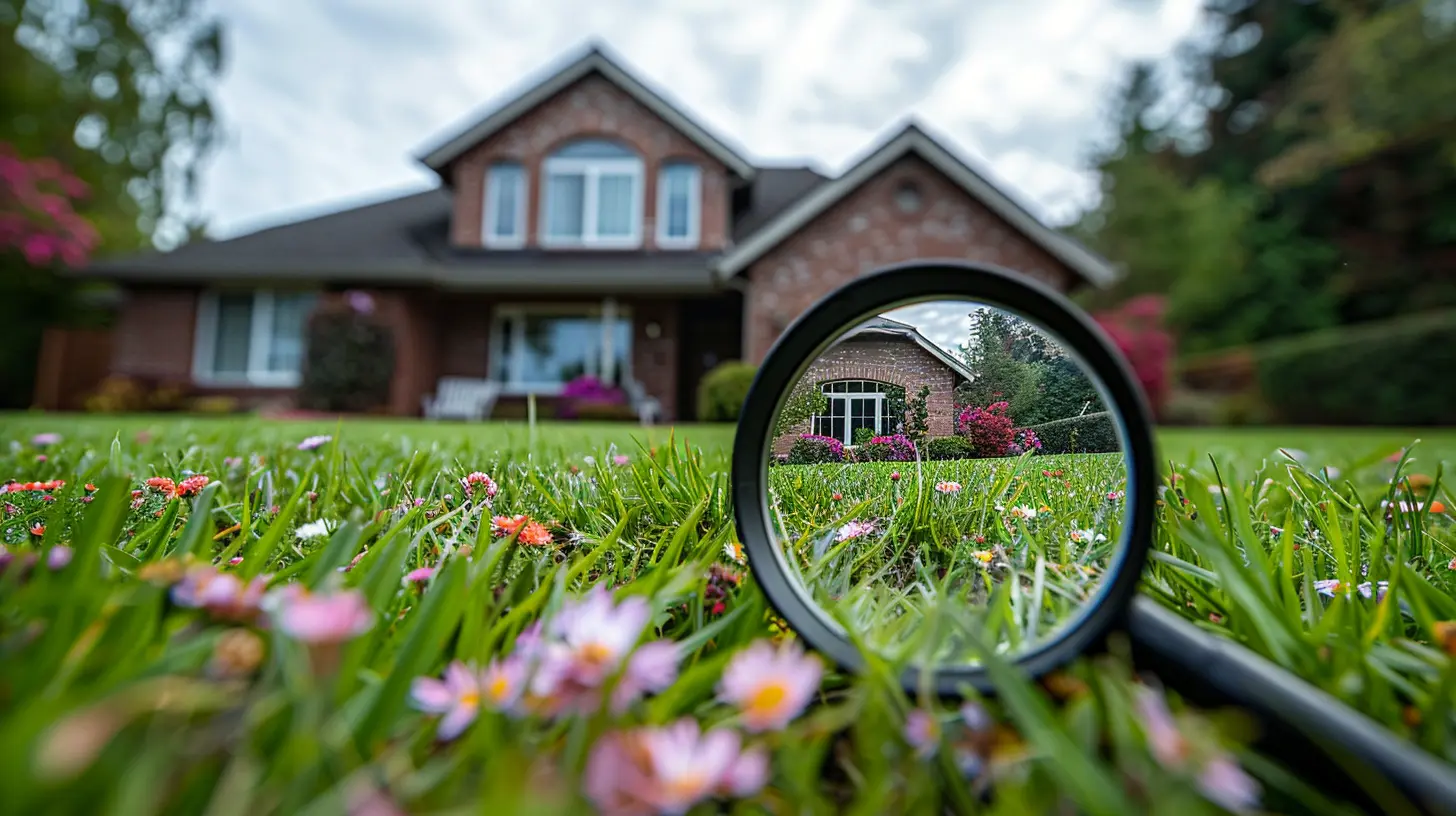
Final Thoughts
A home inspection can make or break a deal, but it doesn’t have to be a nightmare. Buyers should go in with realistic expectations, and sellers should be prepared to address potential problems.At the end of the day, no house is perfect. But with the right approach, inspections don’t have to mean the end of the road—they can simply be a speed bump on the journey to buying (or selling) a home.
all images in this post were generated using AI tools
Category:
Home InspectionsAuthor:

Lydia Hodge
Discussion
rate this article
2 comments
Beatrice Beck
Home inspection failures can be deal-breakers, often stemming from undisclosed issues or poor maintenance. Buyers and sellers must prioritize transparency and proactive solutions to navigate these challenges, ensuring smoother transactions and successful closings.
January 25, 2026 at 3:51 AM
Lydia Hodge
Absolutely, transparency and proactive maintenance are key to avoiding home inspection pitfalls and ensuring successful transactions.
Haze Roberson
Home inspection failures often derail deals due to unforeseen structural issues, safety hazards, or costly repairs. Buyers should prioritize thorough inspections to avoid surprises and negotiate better terms.
January 16, 2026 at 4:17 AM
Lydia Hodge
Absolutely, thorough inspections are essential for identifying hidden issues and ensuring informed negotiations. They can make or break a deal.