How Home Inspectors Identify Water Damage and Moisture Problems
3 April 2026
Buying a home is one of the biggest investments you'll ever make – and while that new kitchen or cozy fireplace might catch your eye, it’s often what you can’t see that makes all the difference. One of the sneakiest home issues? Water damage and moisture problems. They can quietly wreak havoc behind the scenes, causing thousands of dollars in repairs down the line.
That’s where home inspectors come in. These pros don't just kick the tires and peek under the sink. They’re like detectives, sniffing out signs of moisture, mold, leaks, and hidden damage. But how exactly do they do it? Let’s dive into the nitty-gritty of how home inspectors identify water damage and moisture problems—because a dry home is a happy home, right?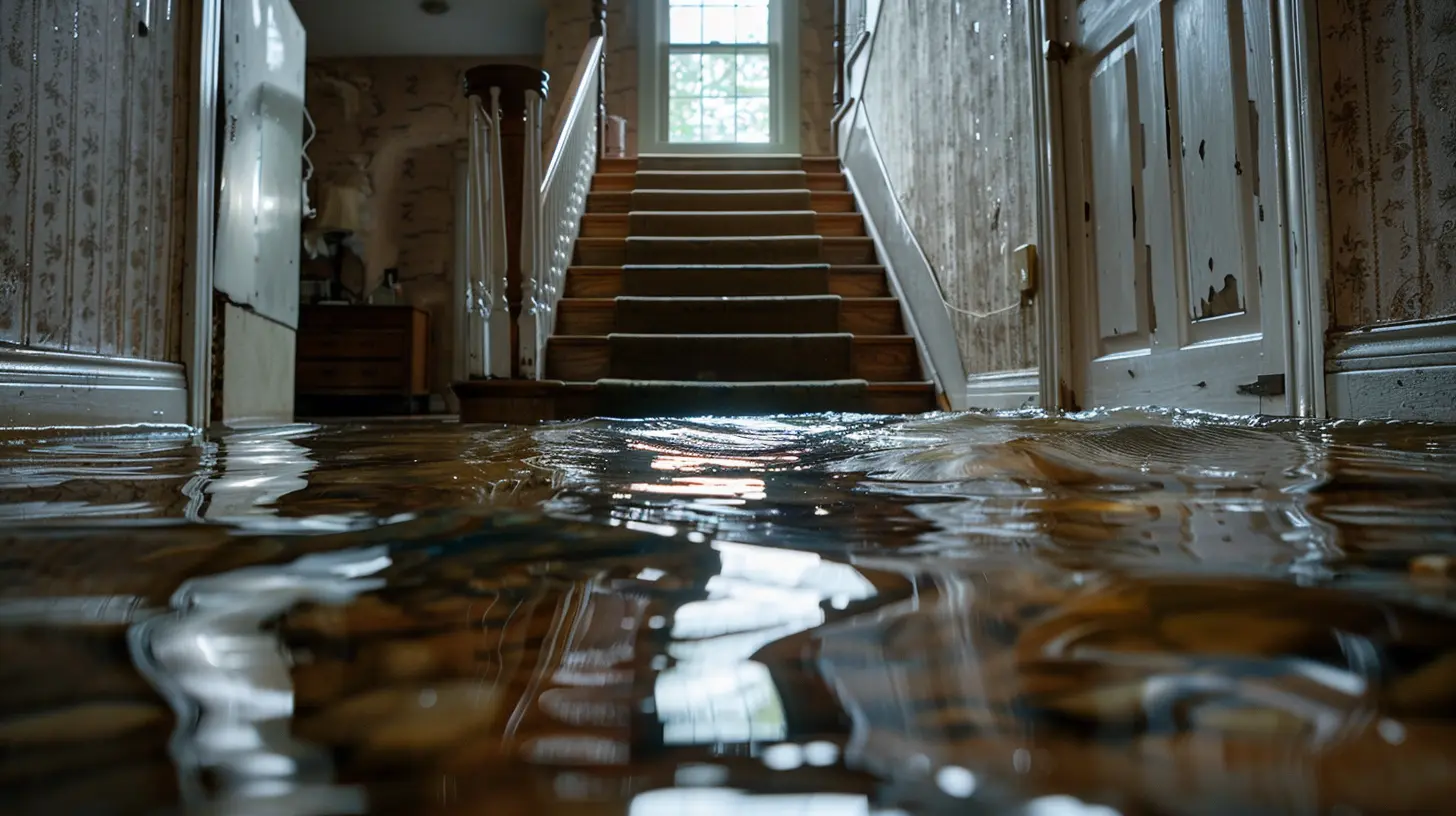
Why Water Damage Is More Than Just an Ugly Stain
Sure, a water stain on the ceiling might not seem like a big deal. But behind every discolored spot could be something much more serious – think mold growth, wood rot, structural weakening, or even electrical hazards. Water is a silent invader. It doesn’t always shout “problem!” until it’s too late. That’s why spotting the earliest signs is so critical.And let’s be honest – water damage doesn't just hurt your wallet. It chips away at your home's comfort, safety, and value. It’s no wonder home inspectors take it so seriously.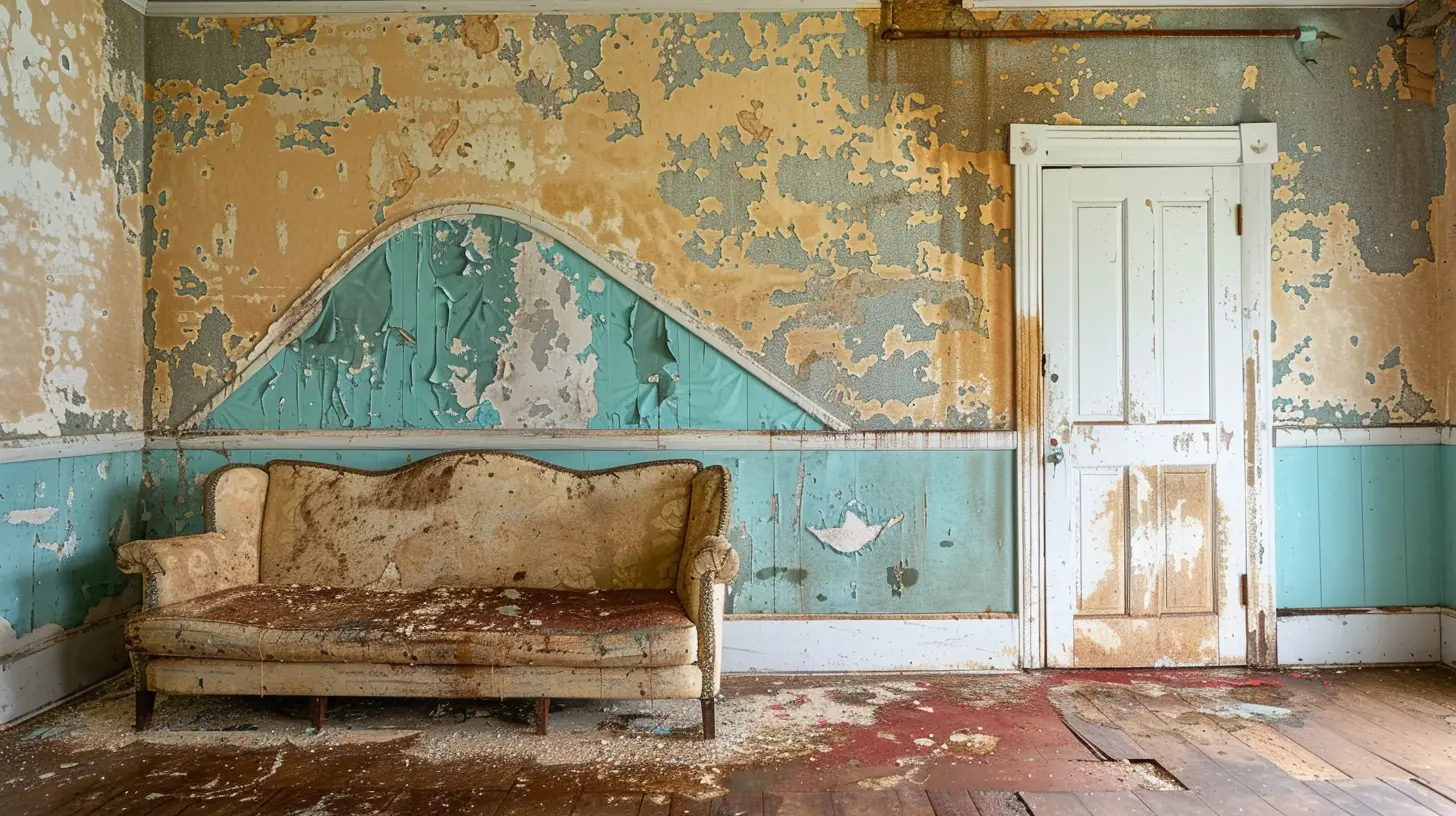
The First Step: A Thorough Visual Inspection
Spotting the Not-So-Obvious
Home inspectors start with what their eyes can tell them. They carefully comb through each room inside and take a good look around the exterior too. What are they looking for?- Stains on walls and ceilings – especially around windows, doors, and under bathrooms
- Bubbling or peeling paint – moisture behind the wall loves to show itself this way
- Warped flooring – wood or laminate can expand or buckle if water is trapped beneath
- Cracked or separated baseboards – a clue that the material has been exposed to repeated moisture
- Mold or mildew – if it’s visible, there’s likely more hiding out of sight
- Musty odors – your nose knows; stale or damp smells can scream “moisture problem”
- Efflorescence – a white, chalky deposit found on basement walls, signaling moisture that brought minerals to the surface
These tiny clues can be the tip of the iceberg. That’s why inspectors don’t stop there.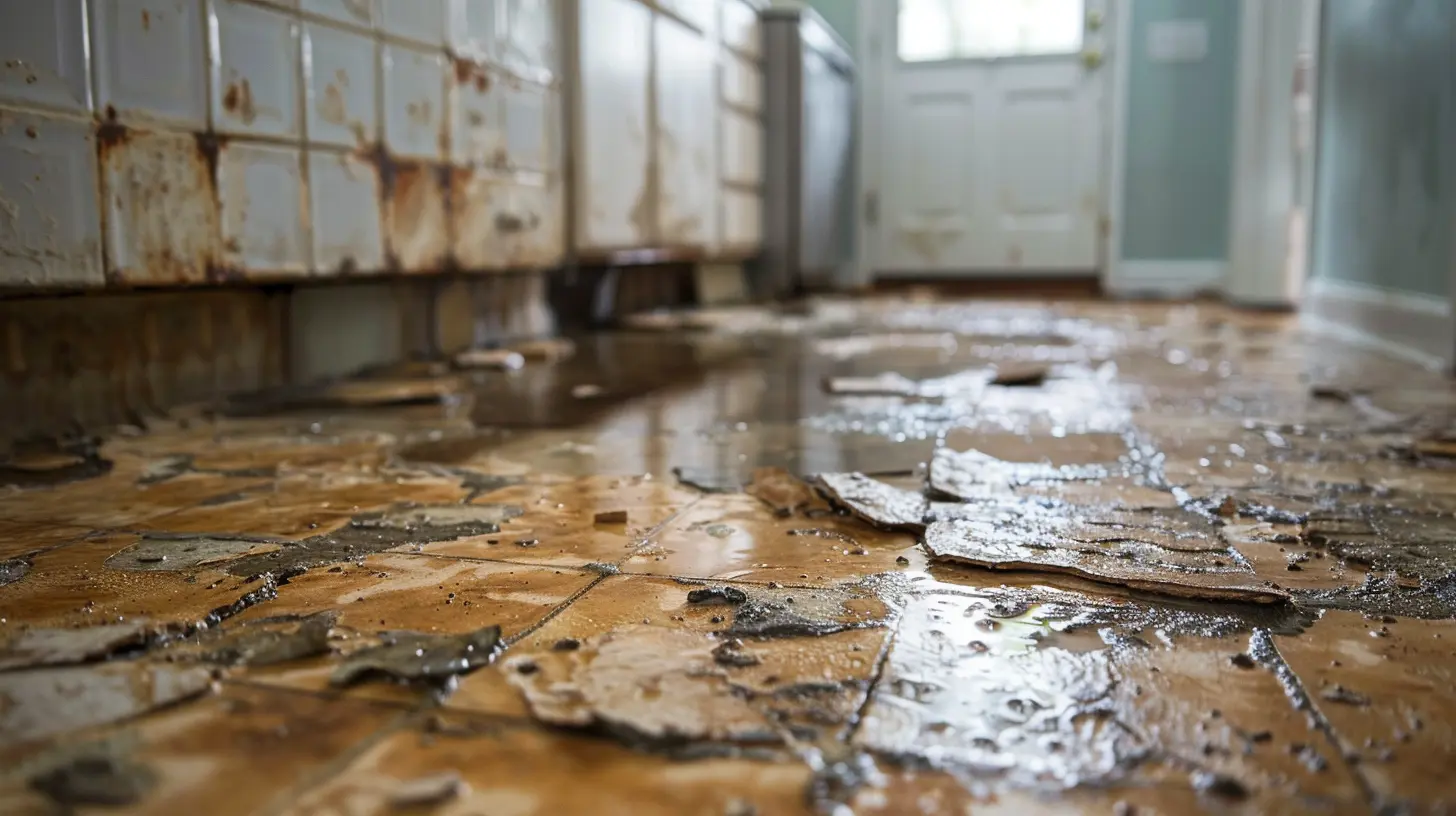
Moisture Meters and Tech Tools
The Gadgets That Get the Job Done
Let’s face it: walls don’t talk. So inspectors bring in reinforcements—handy tools that dig deeper than the naked eye.1. Moisture Meters
- These are like moisture radar. Inspectors press them against walls, floors, and ceilings to measure the moisture content inside materials.
- If a reading is high in a “dry” area like a bedroom wall, that’s a red flag.
2. Thermal Imaging Cameras (Infrared)
- These high-tech cameras show temperature differences in materials.
- Cooler spots can signal water pooling inside the wall or insulation because water retains heat differently.
- It’s like giving inspectors X-ray vision – they can see the hidden trouble spots!
3. Hydrometers & Hygrometers
- These tools measure humidity in the air.
- High indoor humidity levels (especially in basements and crawlspaces) often suggest poor ventilation or hidden moisture issues.
By combining what they can see, smell, and measure, inspectors put together the full moisture puzzle.
Checking Key Areas Where Water Likes to Hide
Kitchens and Bathrooms
These rooms are moisture central. Between sinks, tubs, toilets, and dishwashers – there's a lot of plumbing packed into a small area. Home inspectors will:- Check under sinks for leaks or water stains
- Inspect around toilets and tubs for soft, warped flooring
- Look at tile grout and caulking for signs of wear (water slips through even the smallest cracks)
- Test exhaust fans to ensure humidity is being ventilated properly
Attics and Roofs
Roofs are your home’s first defense against rain—but they don’t last forever.- Inspectors look for water stains on the underside of the roof deck or around chimneys and skylights
- They’ll also examine insulation for wetness or compacted areas (a sign it's absorbed moisture)
- Poor ventilation? That can trap moist air and cause mold to grow in the attic like a science experiment gone wrong
Basements and Crawlspaces
This is ground zero for many water problems. Inspectors will:- Look for foundation cracks or pooling water
- Check sump pumps (if present) to see if they’re functional
- Examine insulation, walls, and beams for signs of dampness or mold
- Sniff for earthy, musty smells – a telltale sign of hidden moisture
Exterior and Foundation
Sometimes, the source of indoor water trouble starts outside.- Inspectors check the grading (is the yard sloping away from the house?)
- Downspouts and gutters? Properly directed or dumping water next to your foundation?
- Cracks in the foundation or gaps around windows and doors can act like an open invitation for water
Identifying Past vs. Present Water Damage
Not all damage means the problem is ongoing. Sometimes, leaks were fixed years ago, but the evidence remains. Inspectors will look for:- Dry stains – discolored but not moist when tested
- Repaired drywall or paint touchups – suspicious patches could mean a past issue
- Older mold (dry and flaky) – versus fresh, growing mold that's still active
The goal isn’t just to spot damage, but to figure out if it’s a current threat or a battle the house has already won.
What Happens If They Find a Water Problem?
So what if the inspector uncovers a moisture issue? Don’t panic—it’s not always a deal-breaker.Here are a few typical outcomes:
- Negotiation leverage – You may ask the seller to fix the issue or drop the price
- Further investigation – An inspector may suggest bringing in a mold specialist or structural engineer
- Preventive measures – Some issues just need improved drainage, better ventilation, or sealing cracks
The key? Knowing is better than guessing. It’s all about giving you the info you need to make a smart decision.
Why Homebuyers (and Sellers) Should Care
If you’re a buyer, moisture problems can affect health, safety, and long-term costs. Nobody wants to move in and immediately deal with mold remediation, right?If you’re a seller, getting ahead of water issues before listing your home can boost value and avoid surprises during the buyer’s inspection.
A dry home is a confident home. Whether you're buying or selling, knowing what to look for (or fix) can save time, money, and tons of stress.
Tips to Keep Your Home Moisture-Free
Even if a home gets a clean bill of health, moisture is an ongoing battle. Here’s how to stay ahead of the game:- Keep gutters clean – clogged gutters overflow and dump water near the foundation
- Direct downspouts away – aim them at least 5 feet from the house
- Seal your windows and doors – small gaps let in big moisture
- Use dehumidifiers – especially in basements and bathrooms
- Ventilate, ventilate, ventilate – fans in bathrooms and kitchens help fight indoor humidity
- Check for leaks regularly – under sinks, around toilets, and along the roofline
Think of your home like a sponge—it can only hold so much water before it starts falling apart.
Final Thoughts: Trust the Inspector, Protect Your Investment
Home inspectors are kind of like home doctors. They check the vitals, look beneath the surface, and make sure everything is working as it should. When it comes to water damage and moisture problems, they’re your best friend during the home-buying journey.Remember, a small leak can turn into a big headache. But with a thorough inspection and some preventative TLC, you can keep your dream home from becoming a damp disaster.
So, whether you're buying, selling, or just doing a home health check—don’t underestimate the power of spotting moisture early. Your future self (and your wallet) will thank you.
all images in this post were generated using AI tools
Category:
Home InspectionsAuthor:

Lydia Hodge
Discussion
rate this article
2 comments
Quillan McCune
This article is incredibly insightful! Understanding how home inspectors detect water damage is essential for protecting our most valuable investment—our homes. Thank you!
April 6, 2026 at 2:39 AM
Lydia Hodge
Thank you for your kind words! I'm glad you found the article helpful in understanding this important aspect of home inspections.
Priscilla Bryant
Great insights on identifying water damage and moisture issues! Your detailed approach highlights the importance of thorough inspections for potential homebuyers. This article serves as a valuable resource for understanding the critical role of home inspectors. Thank you!
April 3, 2026 at 2:43 AM
Lydia Hodge
Thank you for your kind words! I'm glad you found the insights helpful for homebuyers and the importance of thorough inspections. Your feedback is greatly appreciated!