How Urban Planning Affects Property Values
31 January 2026
Urban planning might sound like something only city engineers and architects obsess over, but guess what? It actually has a huge impact on everyday folks like you and me—especially if you own property or are thinking about diving into the real estate game.
Whether you're an investor looking to make smart decisions, a homeowner wanting to understand future value, or a first-time buyer hoping to get your money’s worth, knowing how urban planning affects property values is key. So, grab a coffee, make yourself comfortable, and let’s peel back the layers of how the layout and development of our cities influence what our homes are worth.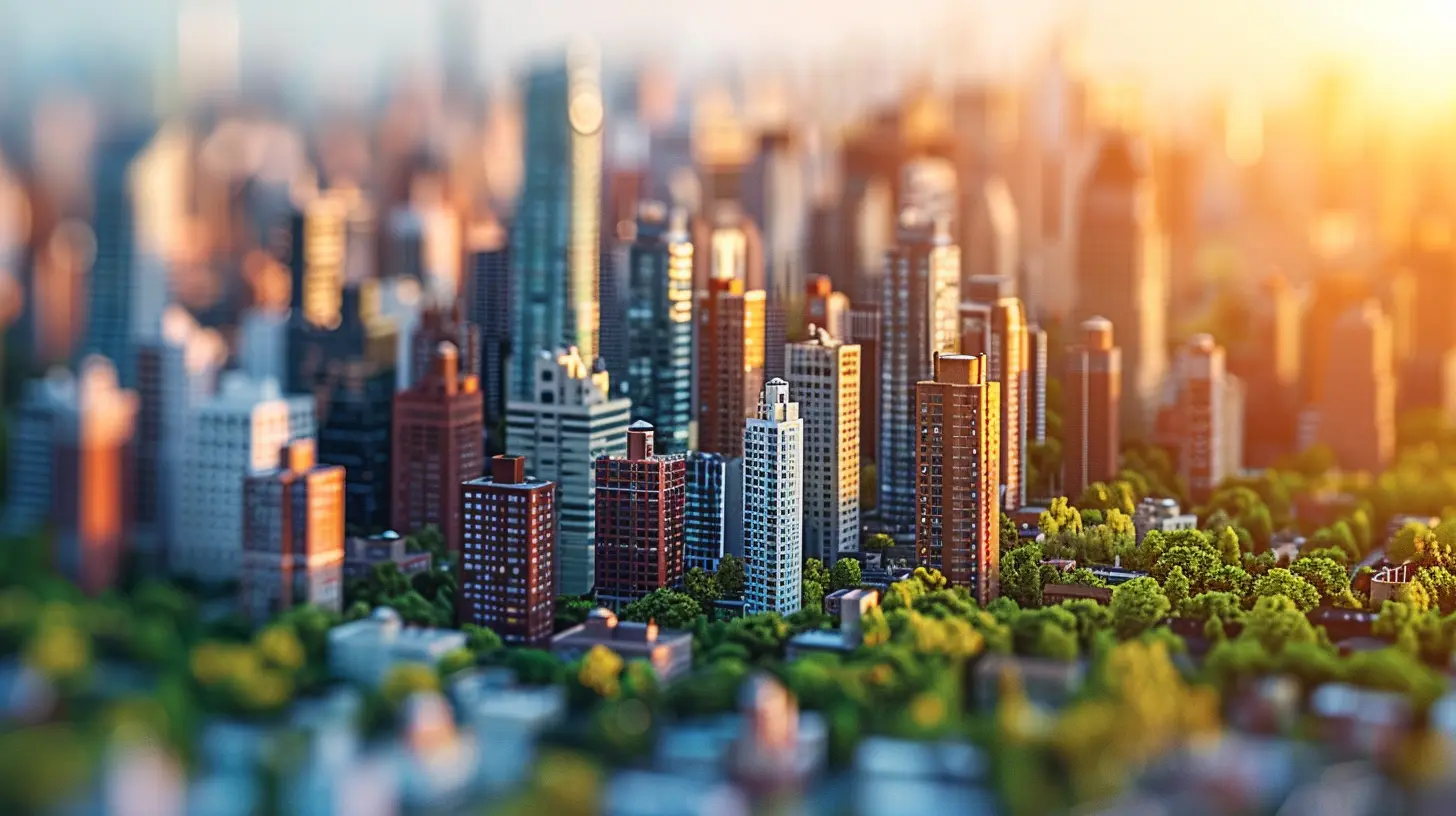
What Is Urban Planning, Anyway?
Urban planning is basically the blueprint of a city. Think of it like the game of SimCity—you’re deciding where roads go, where homes should be built, where parks pop up, and where people work and shop. Now, translate that into real life. Urban planners help design functional, efficient, and liveable communities.They deal with zoning laws, public transportation systems, green spaces, and infrastructure. In short, they’re laying out the city’s long-term game plan. And when they do their job right, everyone's property values benefit. But it can go the other way too.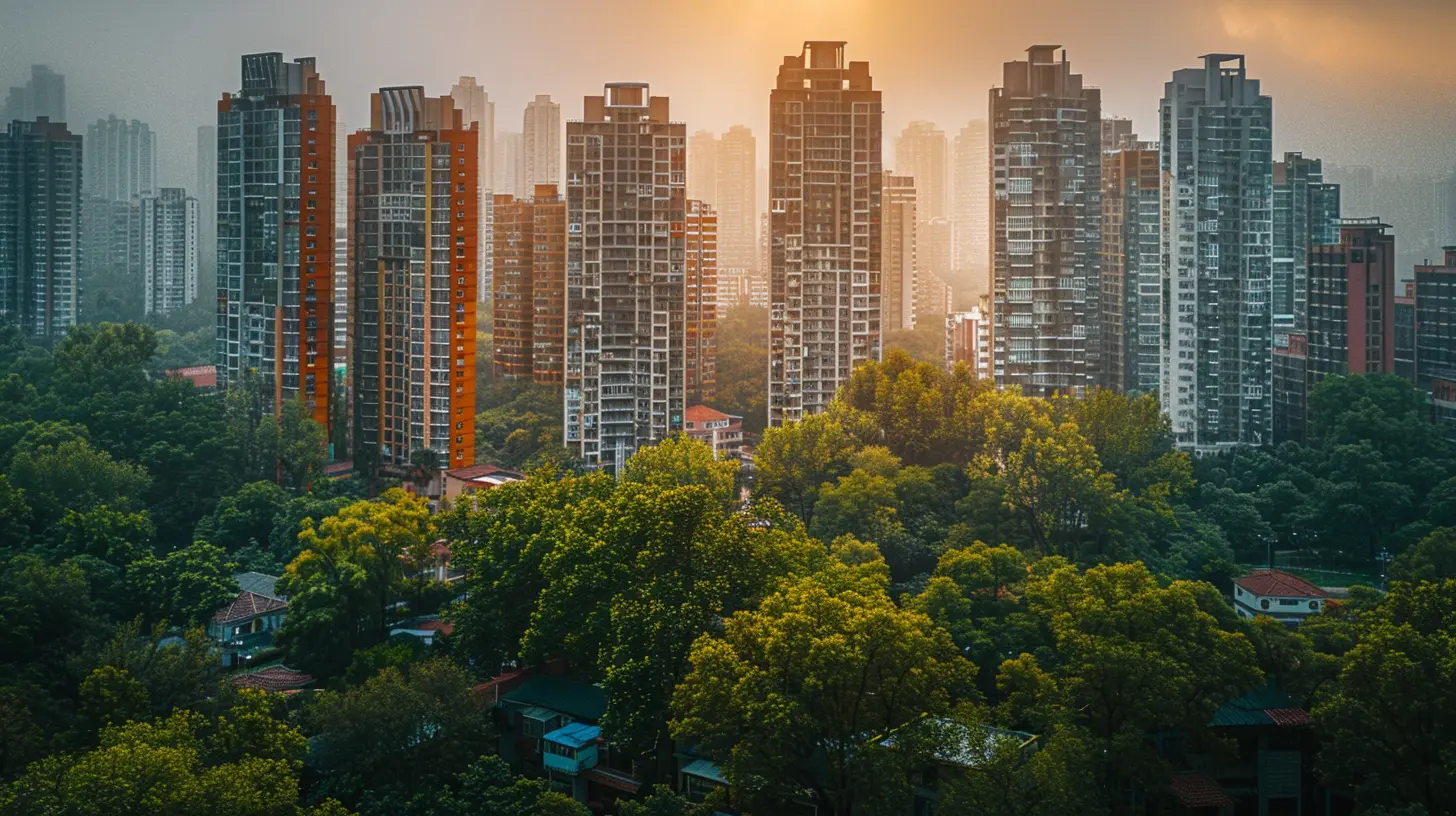
The Deep Connection Between Urban Planning and Property Value
You might not think about it, but the decisions made in city planning boardrooms directly impact your bank account. Yep, urban planning has a ripple effect on the market. Let me explain how.1. Zoning Rules Shape the Neighborhood’s Identity
Zoning might sound dry, but it’s actually pretty powerful. Through zoning laws, planners decide where residential homes, commercials buildings, and industrial zones are placed. Why does this matter?Well, imagine buying a charming little house… only to find out a massive factory is going up down the block. Ugh, right?
Zoning safeguards neighborhoods from such chaos. Residential zoning keeps noisy businesses at bay, which makes living areas more peaceful and attractive. That, in turn, pushes up property values.
2. Infrastructure Development = Big Time Appreciation
When a city invests in infrastructure like roads, bridges, sewage systems, and public transit, not only does everything run smoother, but properties in those well-connected areas often skyrocket in value. Why wouldn’t you want to live someplace where commuting is easy and everything works like it should?Let’s take a real-life angle. Ever heard of the "subway effect"? When a new metro line opens, real estate prices along its route usually spike. More access means more desirability. Simple as that.
3. Green Spaces and Parks Are Gold Mines
Urban planning isn’t all concrete and traffic lights. Planners also decide where parks, greenbelts, and recreational areas go. And let me tell you—homes near these green spaces? They tend to be more valuable.A well-maintained park can boost surrounding property values by 8-20%. Why? Because people want clean air, relaxation spots, and a pretty view from their window. Property buyers are willing to pay a premium for that daily-dose-of-nature experience.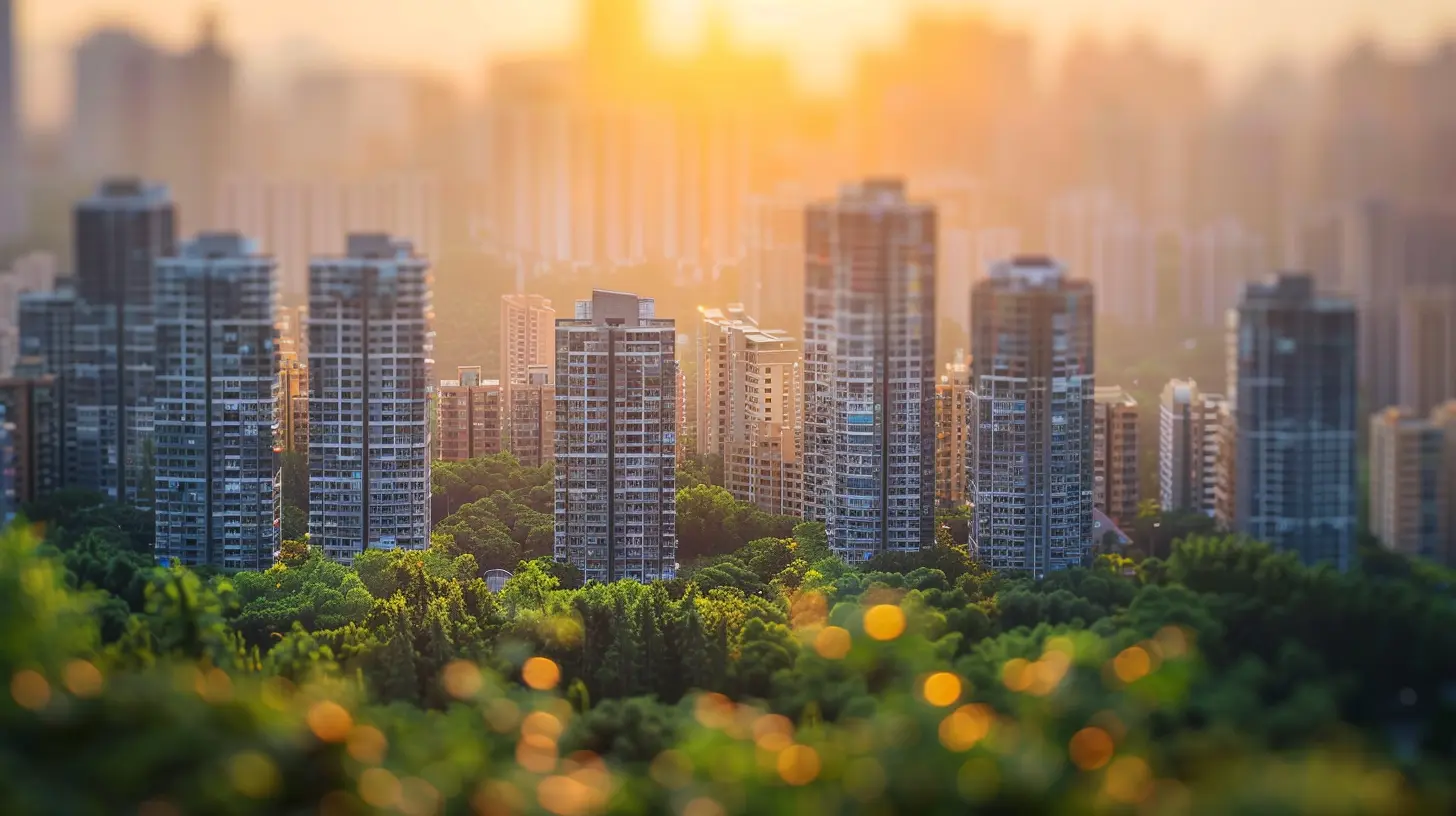
Walkability and Property Value: The Relationship is Real
You’ve probably heard the term “walkability” thrown around a lot lately. It’s become a major buzzword in urban planning—and for good reason.4. What Is Walkability And Why Does It Matter?
Walkability measures how friendly an area is to walking. If you can easily stroll to coffee shops, schools, grocery stores, and parks, congratulations—you live in a walkable neighborhood.Now, here’s the kicker: studies show that homes in walkable neighborhoods are often worth more. Buyers value convenience, and what’s more convenient than walking out your front door and running errands on foot?
It’s the equivalent of having everything you need right in your backyard.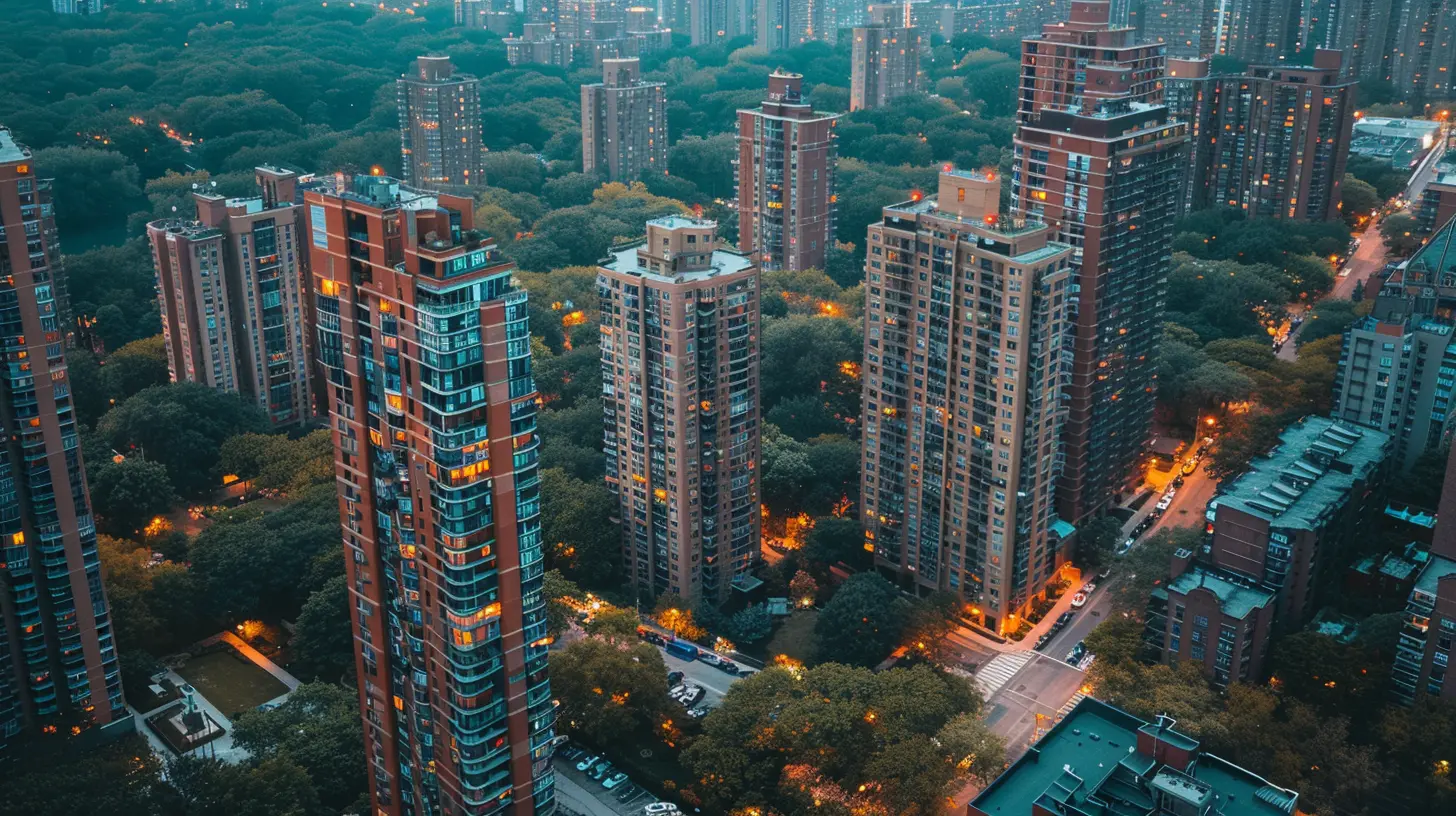
Public Transit: Not Just For Commuters
Let’s be honest—sitting in traffic stinks. Cities that invest in public transportation like buses, subways, and bike lanes send a clear message: We prioritize easy movement, and we care about the environment.5. Transit-Oriented Development Boosts Values
Properties near transit hubs tend to appreciate faster, simply because they’re in demand. Renters and buyers alike look for homes that make their daily commute less soul-crushing. If someone can save hours each week on travel, they’ll happily pay more.It’s the urban planning version of “location, location, location.”
Urban Density: Not All Crowds Are Bad
When people hear “density,” they often imagine packed cities, honking horns, and high-rise buildings blocking the sun. But density doesn’t have to mean chaos.6. Smart Density Encourages Growth
When done correctly, urban density brings a vibrant energy. Think cafes, boutique stores, coworking spaces, and nightlife—all within walking distance. The key is smart planning: mixing residential and commercial zones in a way that feels organic, not overwhelming.Strategic planning around density has a multiplier effect. More people = more businesses = more jobs = higher demand for homes = higher values. It’s like a snowball rolling downhill.
The Gentrification Dilemma
This one’s a bit sticky. Let’s talk about it honestly.7. What Happens When Neighborhoods Transform?
When a once-neglected neighborhood gets a facelift—thanks to urban planning, investments, and improved infrastructure—property values tend to rise. Cool, right?Well, yeah… unless you're the one getting priced out.
This process, known as gentrification, often displaces lower-income residents. While it boosts property values, it also raises big ethical questions. As a real estate enthusiast, it’s important to understand both the financial and social impacts of urban renewal.
Safety and Property Value Go Hand In Hand
This one’s probably a no-brainer, but it’s worth calling out.8. Crime Prevention Through Environmental Design (CPTED)
Urban planners also design cities with safety in mind. They apply principles like CPTED, which basically means creating environments that naturally discourage crime. Think better street lighting, open sightlines, and community gathering spaces.Homes in safer neighborhoods naturally hold more value. A well-lit street or pedestrian-friendly area isn’t just nice—it’s valuable.
Urban Planning’s Role in Climate Resilience
Bet you didn’t expect climate change to enter the picture, huh? But it’s true—urban planning now increasingly takes environmental sustainability into account.9. Planning for the Future = Long-Term Value
Flood zones, rising temperatures, and severe weather events are real estate’s new headaches. Urban planners fight back by designing flood-proof infrastructure, planting trees to combat heat islands, and zoning in ways that reduce environmental risks.Homes in climate-resilient areas are more stable investments. Buyers today are eco-conscious and are thinking long-term. They're not just buying a home—they’re buying peace of mind.
Revitalization Projects: When Cities Get a Second Chance
Some cities fell on hard times. Factories closed. People left. But urban planning has given many cities a second wind.10. Urban Renewal Can Be a Goldmine
When cities invest in revitalizing old downtowns, waterfronts, or industrial zones, property values often soar. We’ve seen it in places like Detroit, Pittsburgh, and parts of Brooklyn.These renewal projects breathe fresh life into forgotten areas. And savvy investors who buy early? They often reap the rewards later on.
Why You Should Care as a Homebuyer or Investor
Still asking, “Why does this matter to me?” Here’s the bottom line:- Buying in a well-planned community often means better appreciation over time
- You’ll enjoy a higher quality of life with easier commutes, better public spaces, and more amenities
- You can minimize risk by avoiding poorly planned or neglected areas
- You can spot opportunities by understanding how your city might change in the next 5-10 years
It’s all about playing chess, not checkers.
How to Evaluate Urban Planning When Buying Property
Okay, so now you’re sold on the idea that urban planning is important. But how do you use this info when actually buying or investing?Here’s what to look for:
- Future development maps: Most cities post planning documents online. See what’s coming.
- Zoning Laws: Understand what can (and can’t) be built nearby.
- Infrastructure investment: Is the city expanding roads, adding transit, or improving utilities?
- Local business trends: Are cool new shops opening up? That’s often a sign of growth.
- Walk Score®: Use tools like WalkScore.com to gauge walkability.
- Crime maps and safety reports: Safer neighborhoods almost always see higher appreciation.
- Flood zones and environmental risks: Climate change is real. Don’t ignore it.
Wrapping It All Up
Urban planning isn’t just city stuff—it’s personal. It affects where we live, how we live, and how much our properties are worth. A well-planned city can turn a decent investment into a great one. On the flip side, a poorly planned area can lead to headaches, stagnation, and lost value.So the next time you're eyeing a property, remember: You're not just buying a house. You’re buying into a city’s vision (or lack thereof). Make sure it’s a vision worth believing in.
all images in this post were generated using AI tools
Category:
Real Estate MarketAuthor:

Lydia Hodge
Discussion
rate this article
2 comments
Josephine Wilcox
Great insights! Understanding urban planning's impact on property values is essential for informed investment. Keep sharing valuable knowledge!
February 6, 2026 at 5:41 AM
Lydia Hodge
Thank you! I'm glad you found the insights valuable. Understanding this connection is crucial for smart investments!
Scout Fry
Urban planning holds the key to vibrant communities and thriving property values. Thoughtful design enhances accessibility, sustainability, and quality of life, attracting diverse residents and businesses alike. As we shape our cities for the future, let’s embrace innovation and collaboration, ensuring every neighborhood flourishes and every property thrives!
January 31, 2026 at 4:45 AM
Lydia Hodge
Absolutely! Effective urban planning is crucial for enhancing community vibrancy, sustainability, and property values, paving the way for a successful and inclusive future.