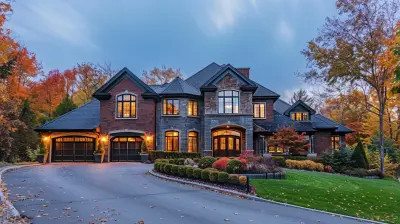
Inspecting Old Homes: Unique Challenges You Might Face
6 March 2026
Buying an old home can feel like stepping into a time capsule. The charm, the character, the craftsmanship—there’s something truly special about historic houses. But alongside their beauty, older homes often come with their fair share of challenges, especially when it comes to inspections.
If you're considering purchasing an older property, you need to be prepared for some quirks that newer homes just don’t have. From outdated electrical systems to hidden structural issues, here’s a deep dive into the unique challenges you might face when inspecting an old home.
1. Electrical System Woes
Old homes weren’t built to handle the power demands of modern life. Think about it—when these houses were constructed, there were no high-powered appliances, smart home devices, or multiple charging stations. That means:- Outdated Wiring: Many older homes have knob-and-tube wiring, which can be a fire hazard if it hasn’t been properly maintained. Aluminum wiring was also popular in the mid-20th century, but it’s known for overheating risks.
- Limited Outlets: Unlike modern homes with ample outlets in every room, older homes often have just one or two per space. This can make daily life inconvenient.
- Fuse Boxes Instead of Circuit Breakers: Some older homes still use fuse boxes instead of modern circuit breaker panels, which can indicate an outdated electrical system that may not meet current safety codes.
What You Can Do
Hire a licensed electrician for a thorough inspection and budget for potential upgrades. Electrical rewiring can be a costly but necessary investment.
2. Plumbing Problems Lurking Below
Plumbing systems have come a long way over the decades, but older homes may still rely on outdated (and possibly deteriorating) pipes. Common issues include:- Galvanized Steel Pipes: Used before the 1960s, these pipes corrode and clog over time, restricting water flow and sometimes leading to leaks.
- Lead Pipes: A significant hazard, lead pipes can contaminate drinking water, posing serious health risks.
- Poor Drainage: Old homes often have antiquated drainage systems that can lead to slow drains, sewage backups, or water damage.
What You Can Do
Consider having a plumber perform a video pipe inspection to check for hidden damage. Replacing plumbing in an older home can be expensive, but it also provides peace of mind.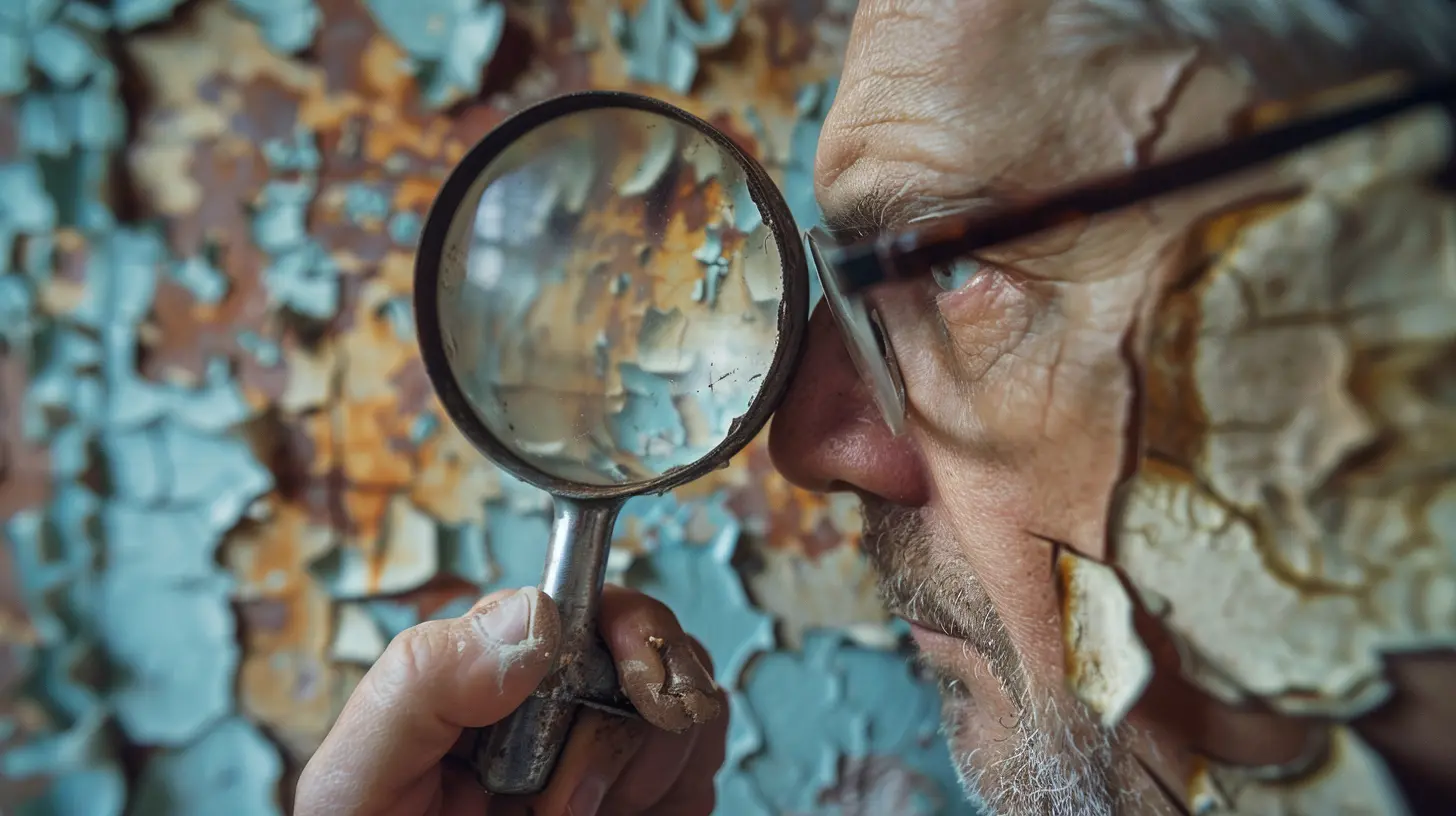
3. Foundation and Structural Concerns
Let’s face it—time takes a toll on everything, and a home’s foundation is no exception. Some common issues with old-home foundations include:- Settling and Cracks: All homes settle over time, but major cracks in the foundation might indicate structural concerns.
- Outdated Building Materials: Older homes were sometimes built on stone or brick foundations, which may not hold up well against moisture and shifting soil.
- Sloping Floors: If you notice a significant slope in the floors, it could point to foundation issues or framing settling unevenly.
What You Can Do
A structural engineer can assess the severity of foundation problems and recommend necessary repairs. Fixing foundation issues is critical to the home's long-term stability.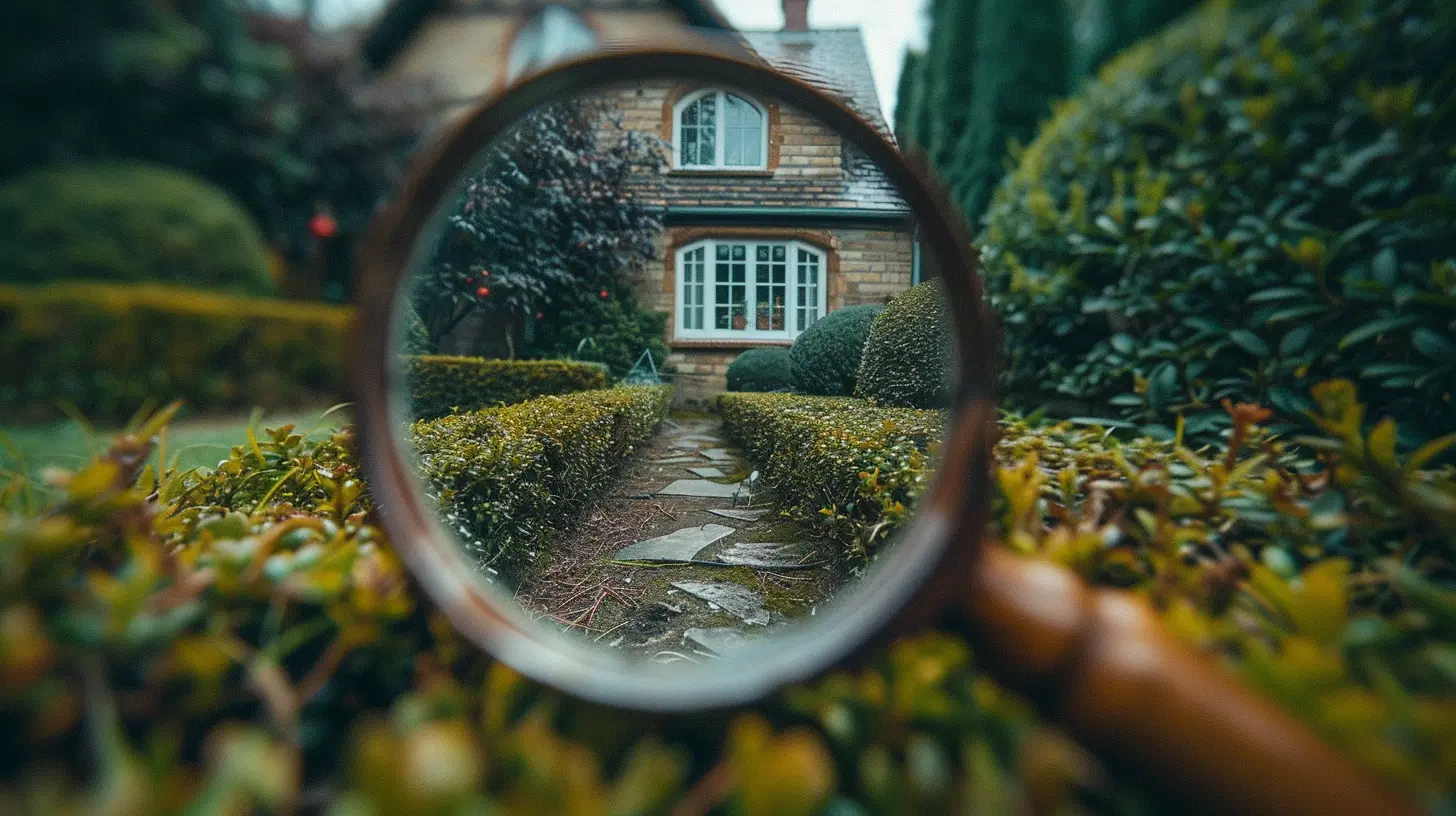
4. Hazardous Building Materials
Back in the day, building materials were commonly used without much thought to their long-term health effects. Nowadays, we know better. When inspecting an older home, watch out for:- Asbestos: Found in insulation, floor tiles, ceiling tiles, and even some old paint, asbestos can pose serious health risks if disturbed.
- Lead Paint: Homes built before 1978 have a high likelihood of containing lead paint, which can be toxic, especially for children.
- Radon Gas: Older homes with inadequate ventilation might have high radon levels, leading to an increased risk of lung cancer.
What You Can Do
Have professionals test for these hazardous materials. If asbestos or lead is found, removal can be costly, but it's important for safety. Radon testing is also a simple way to ensure air quality isn’t compromised.5. Inefficient Insulation and Drafty Windows
Older homes weren’t built with energy efficiency in mind. You might run into:- Single-Pane Windows: These don’t provide much insulation, leading to higher heating and cooling costs.
- Outdated Insulation: Materials like sawdust, newspaper, or even horsehair were occasionally used in older homes—none of which are great for temperature control.
- Drafts and Air Leaks: Gaps in old doors and windows can make it tough to maintain a consistent indoor temperature.
What You Can Do
Replacing windows and adding insulation can make a huge difference. Weatherstripping doors and sealing gaps will help keep your energy bills in check.
6. Roofing Issues That Could Be Hiding Trouble
The roof is one of the most critical components of a home, but it’s also something that naturally deteriorates over time. Older homes may have:- Layered Roofing: Some homeowners have added new shingles over old ones instead of replacing the roof entirely, which can trap moisture and cause rot.
- Outdated Materials: Some old roofs were made with wooden shingles or other materials that may no longer be up to code.
- Leaks and Water Damage: Roof leaks can lead to mold, rotting wood, and structural issues if left unaddressed.
What You Can Do
A professional roof inspection is a must. If the roof is nearing the end of its lifespan, factor in replacement costs when planning your budget.7. Outdated Heating and Cooling Systems
Older homes often lack the modern HVAC systems we take for granted. Instead, you might find:- Old Boilers or Furnaces: Some homes still have ancient heating systems that struggle to distribute heat efficiently.
- No Central Air Conditioning: Many historic homes were built before air conditioning was standard, meaning you may have to install ductwork or rely on window units.
- Inefficient Ductwork: If the home does have ducts, they might not be well-sealed, leading to energy loss.
What You Can Do
Upgrading heating and cooling systems may be necessary to ensure comfort and efficiency. If the home lacks ducts, consider alternatives like mini-split systems to avoid costly renovations.
8. Pests and Moisture Issues
Old homes have had decades to accumulate uninvited guests. Some common concerns include:- Termites and Wood Rot: Wooden beams, floors, and siding are prime targets for termites and rot.
- Mold and Mildew: Older homes often struggle with ventilation, making them prone to mold growth, especially in basements and attics.
- Rodents and Insects: Small gaps and cracks in the home’s exterior can provide easy access for mice, bats, and bugs.
What You Can Do
Schedule a pest inspection before purchasing. If mold is present, a remediation plan is necessary to eliminate it safely.Final Thoughts
Inspecting an old home isn’t just about admiring its charm—it’s about looking beneath the surface to uncover potential pitfalls. While older homes come with a rich history, they also require careful evaluation and, in many cases, substantial updates to meet modern safety and efficiency standards.If you’re prepared for the challenges and willing to invest in necessary improvements, an old home can be a beautiful and rewarding place to live. Just make sure to go in with your eyes wide open and a team of professionals by your side!
all images in this post were generated using AI tools
Category:
Home InspectionsAuthor:

Lydia Hodge
Discussion
rate this article
2 comments
Lilith McDougal
Old homes have charm, but hidden issues can surprise buyers.
March 16, 2026 at 1:50 PM
Lydia Hodge
Absolutely! While old homes offer character, buyers should be aware of potential hidden issues like outdated plumbing or electrical systems that may require attention.
Arlo McMichael
Inspecting old homes presents distinct challenges, such as outdated wiring, hidden structural damage, and potential code violations. Understanding these issues is crucial for informed decisions and successful negotiations in real estate.
March 14, 2026 at 5:04 AM
Lydia Hodge
Absolutely, recognizing these challenges is essential for buyers to make informed choices and navigate negotiations effectively.