Luxury Market Forecast for 2027
16 September 2026
The luxury real estate market does not move like the broader housing market. It lags, leads, and occasionally ignores the economic forces that dominate headlines about median home prices and mortgage rates. That independence is precisely why forecasting it requires a different lens. As we look toward 2027, the signals are mixed but not mysterious. They point to a market shaped less by interest rates and more by wealth migration, generational transfer, supply constraints at the very top, and a redefinition of what "luxury" actually means to the people writing nine-figure checks.
This forecast is not a crystal ball. It is a structured reading of trends that are already in motion, with enough runway left to matter by 2027. I will walk through the forces that will define the top tier, the regions and property types likely to outperform or lag, and the practical decisions buyers, sellers, and developers should be making now rather than later.
Why 2027 Is a Different Kind of Forecast Year
Most real estate forecasts look one or two quarters ahead. That is useful for mortgage brokers and flippers. It is nearly useless for the luxury segment, where transactions can take six to eighteen months from first showing to closing, and where a single sale can reset comps for an entire neighborhood.Forecasting 2027 means forecasting the tail end of several overlapping cycles:
- The post-pandemic wealth relocation cycle, which is now maturing rather than accelerating.
- The largest intergenerational wealth transfer in modern history, which is entering its most active phase.
- A global interest rate environment that appears to be settling into a "higher for longer" plateau rather than returning to the near-zero era.
- A construction pipeline that has been underbuilding at the top end for years, creating a scarcity that will not resolve quickly.
Each of these cycles has its own clock. When they intersect, as they will around 2026 and 2027, the luxury market tends to behave in ways that surprise people who only watch the mainstream housing data.
The Wealth Transfer Finally Hits Its Stride
For years, analysts have talked about the great wealth transfer as a future event. By 2027, it will be a present-tense reality for a meaningful slice of the luxury market.The mechanics matter. When wealth passes to heirs, it rarely stays in the same property. Heirs sell the family compound in one market and buy in another, often in a different state or country. They trade maintenance-heavy legacy estates for turnkey properties in amenity-rich enclaves. They prioritize lifestyle, tax efficiency, and proximity to peer groups over the sentimental value of the original asset.
This creates a predictable pattern: upward pressure on well-located, move-in-ready luxury homes in desirable metros, and downward pressure on large, dated estates in markets that have lost cultural or economic relevance. A 12,000 square foot Tudor in a fading commuter suburb may sit for two years. A 4,000 square foot penthouse in a walkable urban core with a strong restaurant scene may attract multiple offers within a week.
The practical implication for sellers is uncomfortable but clear. By 2027, the pool of buyers who want to manage a legacy estate will be smaller than the pool of heirs trying to sell one. Pricing must reflect that shift, not the nostalgia of the previous generation.
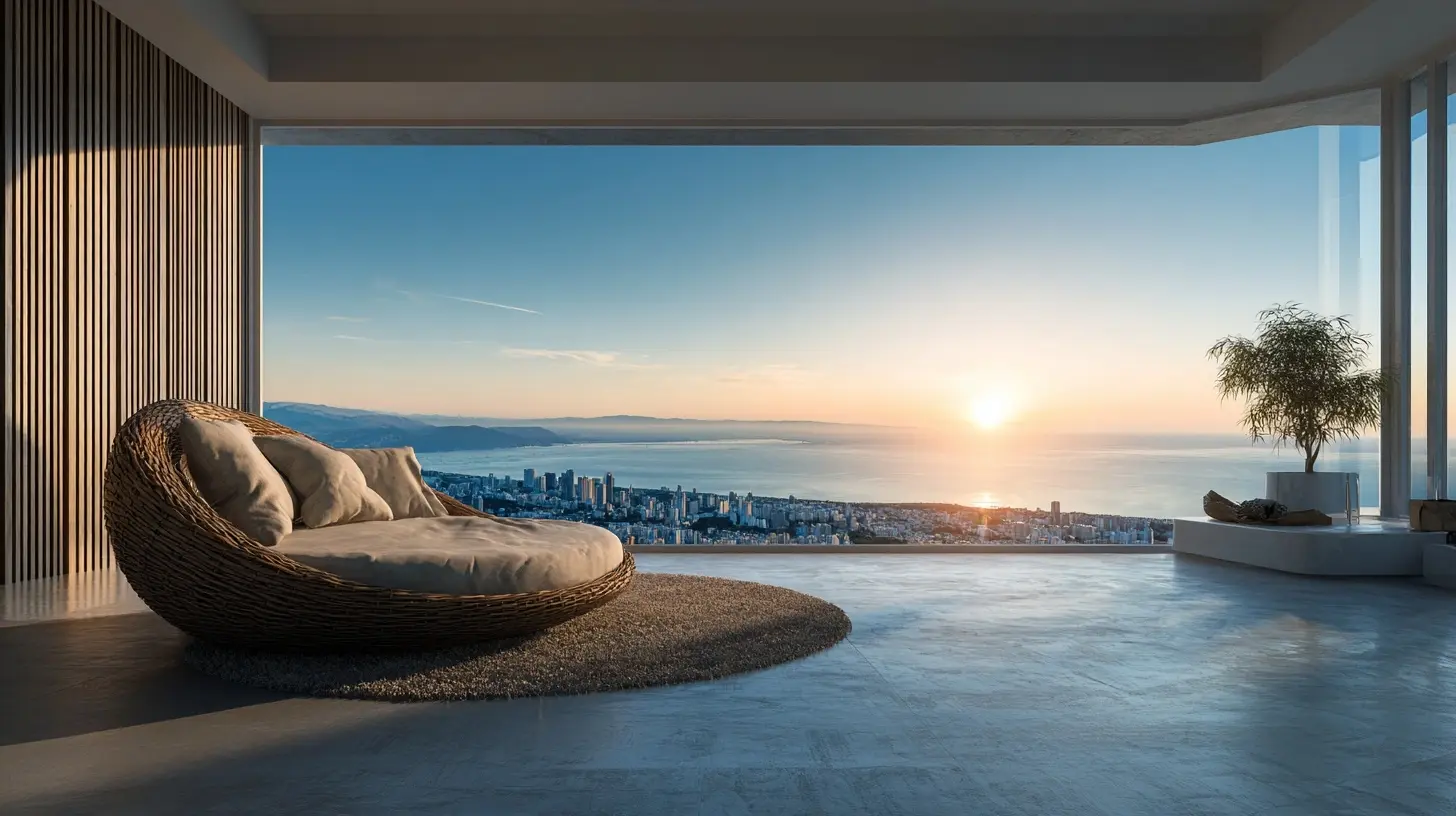
Interest Rates Matter Less Than You Think at the Top
One of the most persistent misconceptions about luxury real estate is that it moves with mortgage rates. It does not, at least not in the way most people assume.At the ultra-prime level, a significant share of purchases are all-cash or financed through structures that are largely insensitive to conventional mortgage pricing. Portfolio loans, asset-based lending, and family office financing operate on different terms. When rates rise, these buyers do not disappear. They renegotiate, restructure, or simply wait for the right asset.
That said, rates do matter in the "mass affluent" luxury tier, roughly the $2 million to $10 million range. These buyers often use jumbo mortgages, and their purchasing power is directly tied to monthly payments. For this group, a sustained higher rate environment through 2027 will cap how much house they can buy, even if their income and net worth remain strong.
The result is a bifurcated market. The top 1 percent of transactions will continue largely unaffected by rate policy. The tier just below will feel real pressure. Developers and agents who understand this distinction will position their inventory accordingly, rather than treating "luxury" as a single monolithic category.
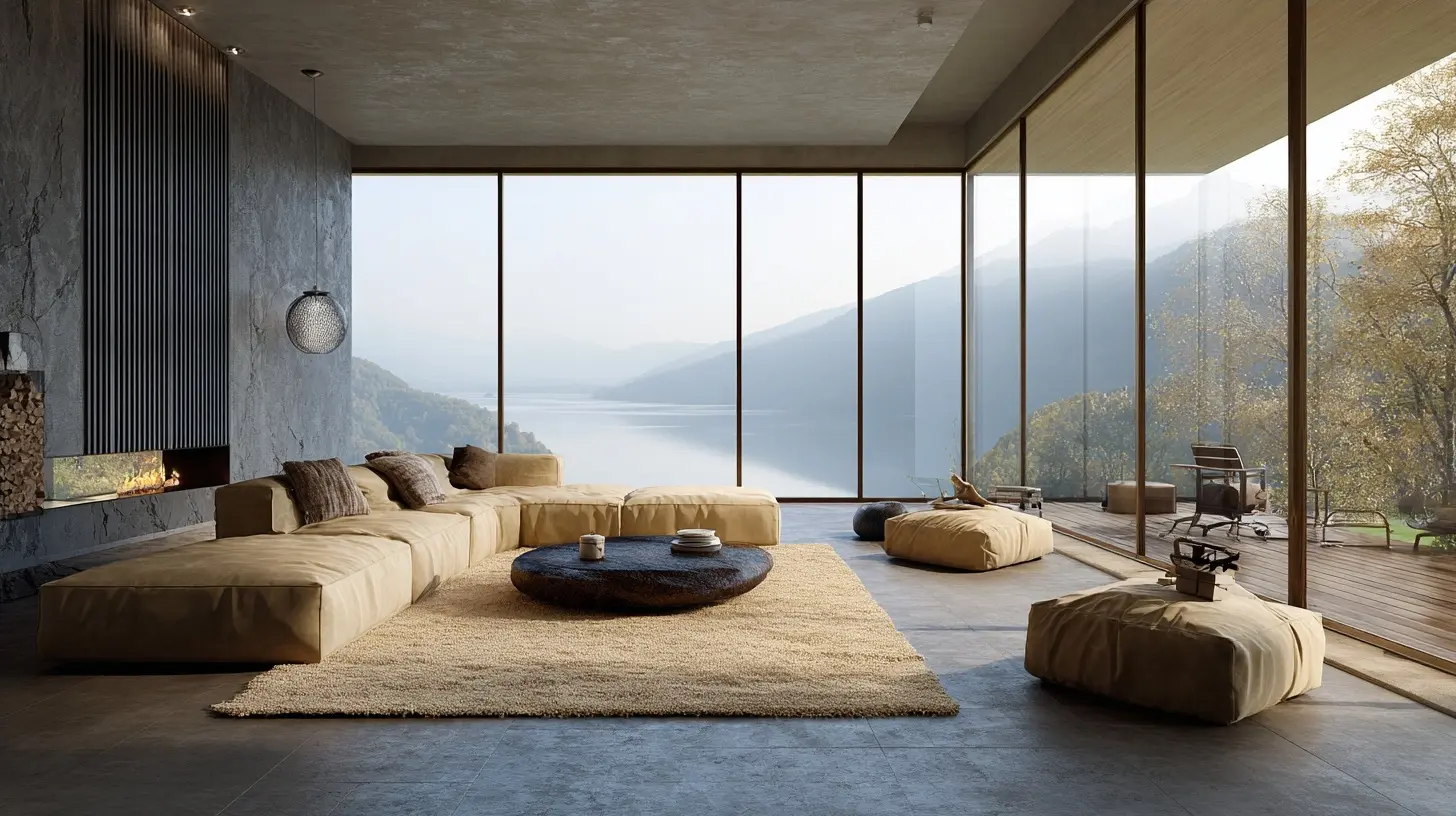
Supply Scarcity at the Very Top
Here is a structural fact that will shape 2027 more than any policy decision: the supply of truly exceptional properties is not growing. It is shrinking.Coastal frontage, prime urban core parcels, and legacy estates in established enclaves cannot be manufactured. When one sells, it often leaves the market for a generation. Meanwhile, the number of ultra-high-net-worth households continues to grow, even if the rate of growth has slowed from its pandemic peak.
This imbalance produces a phenomenon that will become more pronounced by 2027: price divergence within the same market. Two homes in the same zip code, similar in size, can trade at wildly different prices per square foot based on factors that have nothing to do with the house itself. A protected view corridor, a private beach access, a lot that cannot be subdivided, or a location outside a flood zone can add 30 to 50 percent to value. A busy road, a neighboring development proposal, or an outdated floor plan can subtract just as much.
Buyers who understand this will focus less on price per square foot and more on irreplaceable attributes. Sellers who understand it will invest in highlighting and protecting those attributes rather than chasing generic upgrades.
The New Definition of Luxury
Ask ten wealthy buyers what luxury means and you will get ten different answers, but by 2027 a few themes will dominate.Privacy and security have moved from nice-to-have to non-negotiable. Gated communities, private elevators, discreet entrances, and advanced security systems are now baseline expectations in the upper tier. This is not paranoia. It is a response to a world where personal information is easily exposed and public visibility carries real risk.
Wellness infrastructure is the new marble countertop. Home gyms, spa-quality bathrooms, cold plunge pools, meditation rooms, and air and water filtration systems are appearing in listings that would have ignored them a decade ago. Buyers are not just purchasing square footage. They are purchasing a controlled environment.
Turnkey condition commands a premium that continues to widen. Wealthy buyers increasingly value time over money. A home that requires a two-year renovation, even if it is priced below market, is less attractive than a home that is ready to occupy at a higher price. This is especially true for international buyers and those purchasing second or third homes.
Sustainability without sacrifice is a growing expectation, though not yet a universal one. Energy independence, solar with battery backup, and resilient landscaping appeal to buyers who have experienced grid failures or climate-related disruptions. The key is that these features must not compromise comfort or aesthetics. A luxury buyer will not accept a smaller shower to save water, but will happily pay for a system that recycles greywater without them noticing.
Regional Outlook: Where the Money Is Going
Forecasting 2027 at a national level is less useful than looking at specific categories of markets. Here is how I see the major segments breaking down.Established Gateway Cities
Markets like New York, London, Los Angeles, and San Francisco will remain the deepest and most liquid luxury markets. They will not lead in percentage growth, but they will lead in absolute dollar volume and in resilience during downturns. By 2027, expect these cities to have absorbed much of the post-pandemic correction in their prime neighborhoods, with pricing stabilized and slowly rising in the best buildings and streets.The risk in these markets is not collapse but stagnation. Regulatory changes, tax policy, and local politics can suppress activity for years without causing a crash. Buyers should think in ten-year horizons here, not three-year flips.
Secondary Luxury Destinations
Markets like Austin, Miami, Nashville, and Scottsdale experienced explosive growth during the pandemic migration wave. By 2027, that wave will have largely passed, and these markets will be judged on their fundamentals: job growth, cultural amenities, tax structure, and quality of life.Some will hold their gains and mature into permanent luxury destinations. Others will give back a portion of their pandemic premium as the novelty fades and infrastructure struggles to keep pace. The differentiator will be whether these cities invested in the things that make wealth want to stay: schools, hospitals, airports, cultural institutions, and thoughtful urban planning.
Emerging Enclaves
Every cycle produces new luxury destinations. By 2027, I expect attention to shift toward smaller markets that offer a combination of natural beauty, low density, favorable tax treatment, and access to a major airport. Think mountain towns with reliable snow, coastal areas outside the hurricane belt, and lakefront communities within a two-hour drive of a thriving metro.The appeal of these markets is obvious. The risk is equally obvious: they often lack the infrastructure and services that wealthy buyers expect. A beautiful valley with one good restaurant and a struggling hospital will not sustain luxury pricing for long. Buyers considering these markets should visit in the off-season, talk to year-round residents, and verify that essential services are not just promised but funded and under construction.
Property Type Forecast
Not all luxury property types will perform equally by 2027.Single-family homes in prime locations will remain the core of the market. They offer land, privacy, and control. The best performers will be homes that are either irreplaceable due to location or fully renovated to current standards.
Condominiums will see a split. Ultra-luxury condos in buildings with exceptional services, strong reserves, and sound management will do well. Mid-tier condos in buildings with deferred maintenance and rising assessments will struggle. The condo market's fate is tied to the health of the building's balance sheet as much as the unit's location.
Branded residences will continue to expand, but with growing scrutiny. The premium for a hotel-branded residence is real, but so is the ongoing cost. Buyers should carefully review management agreements, fee structures, and what happens if the brand exits. A branded residence in a city with strong hotel demand is a different proposition than one in a market where the brand is the only draw.
Private islands and ultra-remote properties will remain a niche. They appeal to a very specific buyer and can take years to sell. They are not investments in the traditional sense. They are lifestyle purchases with significant carrying costs and limited buyer pools.
What This Means for Buyers
If you are planning to buy at the luxury level between now and 2027, here is the practical advice.Start your financing conversation early, even if you plan to pay cash. Liquidity gives you options, but leverage can preserve capital for other investments. Understand the difference between what you can afford and what you should spend. A luxury home is a consumption asset first and an investment second. Treat it that way.
Prioritize irreplaceable attributes over cosmetic appeal. You can renovate a kitchen. You cannot move a house away from a highway or create a view that does not exist. Focus on what cannot be changed.
Do not assume you can negotiate a deep discount in a scarce market. In the best locations, sellers often have the patience to wait for the right price. If you find a property that checks every box, be prepared to move decisively.
Factor in the full cost of ownership. Property taxes, insurance, maintenance, staff, and association fees can add up to 2 to 4 percent of the purchase price annually. A $10 million home can cost $200,000 to $400,000 per year to own before any mortgage payments. Budget accordingly.
What This Means for Sellers
Price to the market, not to your neighbor's 2021 sale. The pandemic premium is not coming back in most markets. If you anchor to a peak price from three years ago, you will sit on the market while comparable homes sell around you.Invest in presentation, but do not over-improve. A well-staged home with professional photography and a clear narrative will outperform a home with a $500,000 renovation that does not match buyer preferences. Know what your target buyer wants before you spend.
Understand your buyer pool. If your home appeals primarily to local move-up buyers, your marketing should reflect that. If it appeals to international buyers or out-of-state relocators, you need a different strategy. The wrong marketing plan can cost you more than a price reduction.
Be patient but not stubborn. Luxury homes can take six to eighteen months to sell in a normal market. That is not a crisis. But if you have had no showings in three months, the market is telling you something. Listen to it.
What This Means for Developers
The luxury development pipeline is long. Projects breaking ground in 2025 will deliver into the 2027 market. Here is what that market will reward.Smaller, better-designed projects will outperform large, undifferentiated ones. The era of building 200 identical luxury condos and selling them all at a premium is ending. Buyers want uniqueness, and they are willing to pay for it.
Amenities must be usable, not just impressive. A rooftop pool that is closed six months a year is not an amenity. A concierge who cannot get you a dinner reservation is not a service. Developers who focus on what residents actually use will build more valuable buildings.
Flexibility in floor plans and unit sizes will matter more than ever. Households are changing. Work-from-home is permanent for many. Multi-generational living is increasing. Buildings that can adapt to these realities will hold value better than those locked into a single layout.
Sustainability will shift from marketing to expectation. By 2027, energy-efficient systems, resilient design, and healthy indoor environments will be table stakes in the luxury segment. Developers who treat them as optional upgrades will find themselves at a disadvantage.
Common Mistakes and Misconceptions
Mistake: Treating luxury real estate as a single market. A $3 million home and a $30 million home operate in different economies. Advice that applies to one may be irrelevant or harmful to the other.Mistake: Assuming that a rising stock market automatically lifts luxury real estate. The correlation exists but is weak and lagged. Wealthy buyers often wait for stability, not just gains, before making major purchases.
Misconception: "They are not making more land." True, but they are making more luxury condos, more branded residences, and more high-end communities in places that were not considered luxury a decade ago. Scarcity is real but localized.
Misconception: Luxury homes always appreciate. They do not. Many luxury properties are consumption assets that depreciate in real terms unless the underlying location improves. The appreciation comes from the land and the location, not the house.
Best Practices for Navigating the 2027 Market
Do your own research, but hire experts for the parts you cannot verify. Title issues, zoning restrictions, environmental risks, and structural problems are not things to learn on the fly. A good team pays for itself.Think in scenarios, not predictions. No one knows exactly what 2027 will look like. Build a plan that works in a strong market, a flat market, and a weak market. The flexibility is worth more than the accuracy of any forecast.
Focus on what you can control. You cannot control interest rates, tax policy, or global wealth flows. You can control the quality of your due diligence, the terms of your financing, and the price you are willing to pay.
Keep your exit in mind from the beginning. Even if you plan to hold forever, circumstances change. A property that is easy to sell in a downturn is worth more than one that is not, even if it costs a little more today.
The Bottom Line for 2027
The luxury market in 2027 will not be a story of boom or bust. It will be a story of divergence. The best properties in the best locations, owned by people who understand the full cost of ownership and are prepared to hold through cycles, will do very well. Marginal properties in marginal locations, bought with optimistic assumptions and thin margins, will struggle.The winners will be those who treat luxury real estate as what it is: a long-term, illiquid, consumption-oriented asset that occasionally delivers exceptional returns when location, timing, and execution align. The losers will be those who treat it as a guaranteed wealth generator or a quick trade.
If you are making decisions now for a purchase or sale in 2027, the most valuable thing you can do is get clear on your own goals, understand the specific market you are operating in, and build a team that tells you the truth even when it is inconvenient. The market will do what it does. Your job is to be prepared for it.
all images in this post were generated using AI tools
Category:
Luxury Real EstateAuthor:

Lydia Hodge