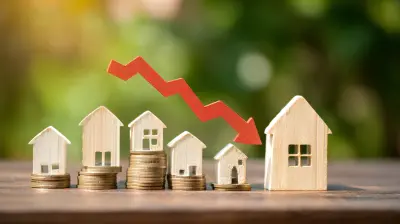
Mastering the Timing of Buying and Selling Property
29 July 2026
Real estate is not a liquid asset. You cannot click a button and exit a position like you can with stocks or bonds. The window for optimal execution is narrow, and the consequences of mistiming a purchase or sale can linger for years. Many homeowners and investors treat timing as a matter of luck or intuition. In reality, mastering the timing of buying and selling property requires a structured understanding of cycles, local market mechanics, personal financial readiness, and psychological discipline.
This article is not a simple list of "buy in spring, sell in fall" tips. That advice is too shallow to be useful. Instead, we will examine the forces that actually drive timing decisions, the trade-offs between waiting and acting, and the common traps that even experienced participants fall into. By the end, you should have a framework for making timing decisions that align with your specific goals rather than chasing a mythical perfect moment.

The Four Pillars of Real Estate Timing
Timing in real estate rests on four interdependent factors. Ignoring any one of them leads to poor decisions.Market Cycles and Economic Indicators
Real estate markets move in long cycles, typically spanning 7 to 10 years from trough to peak, though local variations can be dramatic. These cycles are driven by employment growth, interest rates, demographic shifts, and construction supply. A common mistake is treating national headlines as local truth. For example, during a national downturn, a city experiencing a tech boom may see prices rise. Conversely, a national recovery may bypass a region with a shrinking industrial base.The most useful leading indicators are inventory levels and days on market. When inventory rises sharply and homes sit longer, sellers lose leverage. When inventory drops and homes sell in under 30 days, buyers face bidding wars. These metrics are more reliable than price indexes, which lag by months.
Personal Financial Readiness
Market timing is irrelevant if your personal finances are not aligned. Buying at the bottom of a cycle with a weak down payment and no emergency reserve is a recipe for distress. Selling at the peak of a cycle while carrying debt that forces a quick close can erase your gains. The best time to buy is when you have stable income, a solid down payment, and a plan to hold for at least five years. The best time to sell is when your equity position allows you to move into your next property without stretching your budget.Life Stage and Lifestyle Factors
Real estate is not just an investment. It is a home. Timing decisions that ignore marriage, children, job changes, or retirement are incomplete. A couple who buys at the peak of a market but in the right school district for their children may make a sound long-term decision even if prices dip temporarily. A retiree who sells during a soft market to downsize may still free up cash flow that improves quality of life. The purely financial view of timing misses half the equation.Tax and Legal Considerations
Capital gains exclusions, 1031 exchanges, and property tax caps all create timing incentives. In the United States, you must have lived in a property for two of the last five years to exclude up to $250,000 of capital gains (or $500,000 for married couples). Selling too early or too late can trigger a large tax bill. Similarly, 1031 exchanges require strict timelines for identifying and closing on replacement properties. These rules often dictate the actual calendar more than market conditions do.
Buying: When to Act and When to Wait
The conventional wisdom says to buy when prices are low and interest rates are high, because rates will eventually drop and you can refinance. The reverse is also true: buying when prices are high and rates are low locks in a high principal that may take years to recover. But these are oversimplifications.The Case for Buying in a Buyer's Market
A buyer's market is defined by high inventory, falling prices, and longer days on market. Sellers are motivated, and you have negotiating power. You can ask for repairs, closing cost credits, and price reductions. The downside is that values may continue to fall after you purchase. If you need to sell within three years, you risk being underwater. However, if you plan to hold for seven to ten years, buying in a buyer's market almost always yields strong long-term returns because you start with a lower cost basis.Real-world example: In 2008, many buyers who purchased at the bottom of the crash saw their homes double in value by 2015. Those who waited for "confirmation" that the market had bottomed often bought in 2011 or 2012, still at good prices but missing the steepest appreciation.
The Case for Buying in a Seller's Market
Buying in a seller's market feels painful. You pay top dollar, waive contingencies, and compete with multiple offers. Yet there are situations where it makes sense. If you are relocating for a job and rental options are limited, waiting years for a correction may cost more in rent and lost career opportunities. If interest rates are low, your monthly payment may be affordable even at a high purchase price. The key is to avoid overextending. Do not buy the most expensive house in a hot market. Buy a property that works for your needs even if prices stagnate for a few years.The trade-off is clear: buyer's markets offer better long-term value but require patience. Seller's markets offer immediate availability and low financing costs but carry higher risk of short-term price declines.
Interest Rates and the Refinance Fallacy
Many buyers wait for rates to drop before purchasing. This is often a mistake. If you wait for lower rates, prices may rise faster than your potential savings. For example, a 1% drop in rates might save you $200 per month on a $400,000 mortgage, but if prices increase by 5% while you wait, your purchase price rises by $20,000. It would take years of lower payments to recoup that difference.The smarter approach is to buy when you can afford the payment at current rates. If rates drop later, refinance. If rates rise, you locked in a lower rate and a lower price than future buyers will face. This strategy works best when you have a stable job and plan to stay in the home for at least five years.
Common Mistake: Trying to Catch the Bottom
Attempting to buy at the exact bottom of a market cycle is a fool's errand. Even professional investors with access to data and research frequently miss the bottom by six to twelve months. The bottom is only visible in hindsight. Instead of trying to catch it, focus on buying when the fundamentals are favorable: inventory is rising, prices have corrected from a peak, and local employment is stable. You may not buy at the absolute low, but you will buy well below the peak.
Selling: Timing Your Exit for Maximum Advantage
Selling is often more stressful than buying because you have a deadline and an emotional attachment to the property. The timing of a sale affects your net proceeds, your ability to buy your next home, and your tax liability.Selling at the Peak
Selling at the peak of a market is the ideal scenario for maximizing profit. You capture the highest price and can move into a less expensive property or rent while waiting for the next downturn. The challenge is recognizing the peak. Signs include rapidly declining inventory, multiple offers above asking price within days of listing, and speculative buying by investors. When you hear stories of people flipping houses for quick profits, the peak may be near.However, selling at the peak creates a problem if you are also buying a replacement home in the same market. You sell high but also buy high. The net benefit is smaller unless you are downsizing, moving to a lower-cost area, or becoming a renter. For those reasons, selling at the peak is most advantageous for investors liquidating a portfolio or retirees moving to a cheaper region.
Selling in a Normal or Soft Market
Most sellers do not hit the peak. They sell because of life events: a job transfer, divorce, retirement, or the need for more space. In these cases, the goal is not to maximize profit but to achieve a clean sale at a fair price. In a soft market, you need to price competitively from day one. Overpricing in a slow market leads to days on market that stigmatize the property. Buyers assume something is wrong. The best strategy is to price 5-10% below recent comparable sales to generate multiple offers, even in a slow market. This creates a sense of urgency and can push the final price above your list.Real-world example: A seller in a market with 6 months of inventory listed their home at $450,000, slightly below the $465,000 comparable. Within two weeks, they received three offers and sold for $460,000. A neighbor who listed at $475,000 sat for 90 days and eventually accepted $440,000. The lower initial price created competition that offset the market weakness.
The Seasonal Factor
Seasonality matters, but it is often overstated. In most climates, spring and early summer bring the most buyers because families want to move before the school year. Listings also peak during this time, so competition among sellers increases. Fall can be a good time to sell because there are fewer listings, and serious buyers are motivated to close before the holidays. Winter is the slowest season, but buyers who shop in winter are often highly motivated, such as those relocating for jobs or needing to close quickly.The seasonal effect is strongest in northern climates with harsh winters. In warm-weather markets, the seasonal variation is smaller. The key is to understand your local pattern rather than relying on national averages.
Common Mistake: Waiting for a Higher Offer
Sellers often reject a reasonable first offer expecting a better one. This is a gamble. The first offer is often the strongest because it comes from a buyer who is motivated and has been watching the market. As time passes, the property becomes stale, and subsequent offers may be lower. A better approach is to evaluate offers based on the buyer's financing strength, contingency requests, and closing timeline, not just the price. A clean offer at 97% of asking price may be better than a higher offer that requires a long escrow or comes from a buyer with a low down payment.
The Interplay Between Buying and Selling: The Simultaneous Decision
Many homeowners must sell their current home to buy the next one. This creates a timing dilemma. Should you sell first and then buy, or buy first and then sell? Each path has trade-offs.Sell First, Then Buy
Selling first gives you certainty. You know exactly how much cash you have for your next purchase. You avoid the risk of carrying two mortgages. The downside is that you may need to rent temporarily, move twice, and face a rising market if prices increase while you are searching. This approach works best in a buyer's market where you can take your time finding a new home.Buy First, Then Sell
Buying first allows you to move directly from one home to the next. You avoid temporary housing and a double move. The risk is that you may be carrying two mortgages if your current home does not sell quickly. This can strain your finances. A bridge loan can help, but it adds cost. This approach works best in a seller's market where your current home is likely to sell fast.Contingency Offers
Some buyers include a contingency that their offer depends on selling their current home. Sellers often view these offers as weak because they introduce uncertainty. In a hot market, a contingent offer is rarely accepted. In a slow market, it may be the only option. The best practice is to get your current home under contract before making an offer on a new one, even if you need a short-term rental.Psychological Traps in Timing Decisions
Human psychology is the biggest obstacle to good timing. Three biases consistently lead to poor decisions.Anchoring
Buyers and sellers anchor to a specific price, often based on what they paid or what a neighbor got. If you bought a home for $300,000 five years ago, you may refuse to sell for less than $400,000 even if the market has dropped. This anchoring prevents you from accepting a reasonable offer and can lead to a stale listing that sells for even less later. The antidote is to focus on current market data, not past prices.Loss Aversion
The pain of a loss feels twice as intense as the pleasure of an equivalent gain. This causes sellers to hold onto properties that are declining in value, hoping to break even. It also causes buyers to wait for a lower price even when current prices are fair. Loss aversion leads to missed opportunities. The best investors accept small losses quickly rather than letting them grow.Herd Mentality
When everyone is buying, it feels safe to join. When everyone is selling, it feels dangerous to buy. This is precisely the opposite of what works. Buying during a panic and selling during euphoria is the formula for outsized returns, but it requires the discipline to act against the crowd. Most people cannot do it. A practical workaround is to set a rule: if you hear three unrelated people in a week telling you to buy real estate, it is time to be cautious. If you hear three people telling you to sell, it is time to look for opportunities.
Developing Your Personal Timing Framework
Rather than searching for a universal rule, build a framework that fits your situation. Here is a step-by-step process.Step 1: Define Your Goal
Are you buying a primary residence, a rental property, or a vacation home? Are you selling to downsize, upgrade, or liquidate? Each goal has a different optimal timing. A primary residence should be bought when you are ready, with market timing as a secondary factor. A rental property should be bought when cap rates are attractive, which often happens in a downturn. A vacation home is a lifestyle purchase; timing is less relevant.Step 2: Assess Your Local Market
Gather data on inventory, days on market, and price trends for your specific area. Talk to two or three local agents who specialize in your neighborhood. National data is noise. Local data is signal. If inventory is rising and days on market are increasing, you have time to wait. If inventory is falling and homes are selling quickly, you need to act fast.Step 3: Run the Numbers
Calculate your monthly payment at current rates and prices. Include taxes, insurance, and maintenance. Compare that to renting a similar property. If the monthly cost of owning is significantly higher than renting, the market may be overpriced. If owning costs are close to or below renting, it is a good time to buy. For selling, calculate your net proceeds after commissions, taxes, and moving costs. If the net is enough to achieve your next goal, the timing is right regardless of market conditions.Step 4: Set a Decision Date
Indecision is expensive. Give yourself a deadline. For example, "I will buy within the next six months unless inventory drops below two months of supply." Or "I will sell by September 1 if my home is not under contract by August 1." Deadlines force you to act rather than endlessly waiting for a better opportunity that may never come.When to Break the Rules
Every rule has exceptions. Here are three situations where conventional timing advice should be ignored.Job Relocation
If you are moving for a job, you cannot wait for the perfect market. Buy or sell based on the timeline of your move. The cost of delaying a career opportunity far outweighs any real estate timing advantage.Divorce or Death
Emotional and legal pressures often force a sale at an unfavorable time. In these cases, accept the loss and move on. Holding onto a property for timing reasons while dealing with emotional trauma is rarely worth it.Major Market Dislocation
During a financial crisis or a pandemic, normal patterns break down. In 2020, the market froze for two months and then exploded. Those who acted during the freeze bought at discounts. Those who waited missed the recovery. During extreme events, the best strategy is to act quickly based on the new reality rather than waiting for old patterns to return.
Conclusion
Mastering the timing of buying and selling property is not about predicting the future. It is about understanding your own situation, reading local market signals, and having the discipline to act when the conditions are favorable for your specific goal. There is no single best time that works for everyone. The best time for you is when your finances are solid, your life stage supports the decision, and the local market offers reasonable value.Stop looking for a magic indicator. Start building your personal framework. Track local data. Run your numbers. Set a deadline. And when the time comes, act without regret. Real estate rewards patience, but it punishes paralysis.
all images in this post were generated using AI tools
Category:
Real Estate StrategyAuthor:

Lydia Hodge
Discussion
rate this article
1 comments
Opal McKeever
This article raises intriguing questions about market timing. How do external factors like interest rates and seasonal trends really impact our decisions? I wonder what strategies seasoned investors use to navigate these complexities in buying and selling property effectively...
August 7, 2026 at 2:32 AM
Lydia Hodge
You're right, market timing is tricky. Interest rates and seasonal trends definitely play a role. Seasoned investors often rely on data analysis and historical trends to make informed decisions. It's all about staying adaptable and informed.