Mistakes Homeowners Make When Selling and How to Avoid Them
19 August 2026
Selling a home is rarely just a transaction. It is an emotional and financial event that often carries years of memories, hopes, and equity. Yet many homeowners approach it the same way they would sell a used car: they price it based on what they think it is worth, wait for offers, and then react. That approach usually costs them money, time, or both.
The real estate market rewards preparation and punishes assumption. After years of working with sellers, I have seen the same patterns repeat. Some mistakes are small and cosmetic. Others are structural and expensive. The good news is that almost all of them are avoidable if you know what to look for before you list.
This article walks through the most common errors homeowners make when selling, why those errors happen, and how to sidestep them with clear, practical strategies. The goal is not just to help you sell, but to help you sell well, with fewer headaches and a better final number.

Pricing Based on Emotion Instead of Data
The single most damaging mistake is overpricing. It is also the most common. Homeowners tend to look at their home through the lens of what they have invested in it, what they love about it, and what they need to get out of it to move forward. Buyers do not care about any of that. They care about what the market says a home like yours is worth on the day they are shopping.Overpricing does not just mean you wait longer for an offer. It means you actively lose money. Here is why: the first two to three weeks on the market are when your home gets the most attention. Online listing platforms push new properties to the top of search results. Agents show them to their most active buyers. If your price is too high, those buyers scroll past or schedule a showing and then walk away disappointed. After a few weeks, the listing goes stale. Agents start to assume something is wrong with the property. Buyers start to lowball because they think you are desperate. You end up selling for less than you would have if you had priced it correctly from day one.
The fix is to separate your financial needs from the market reality. Get a comparative market analysis from a local agent, but do not stop there. Look at what actually sold in the last 90 days, not what is currently listed. Active listings are asking prices. Sold prices are truths. Also pay attention to days on market. If similar homes sold in 10 days, your pricing strategy should reflect that pace.
One useful mental shift is to think of price as a marketing tool, not a valuation. The price you set determines who sees your home and how they perceive it. A slightly lower price can create a bidding war that drives the final sale above what you originally hoped. A slightly higher price can kill all momentum. When in doubt, err on the side of being slightly aggressive rather than slightly greedy.
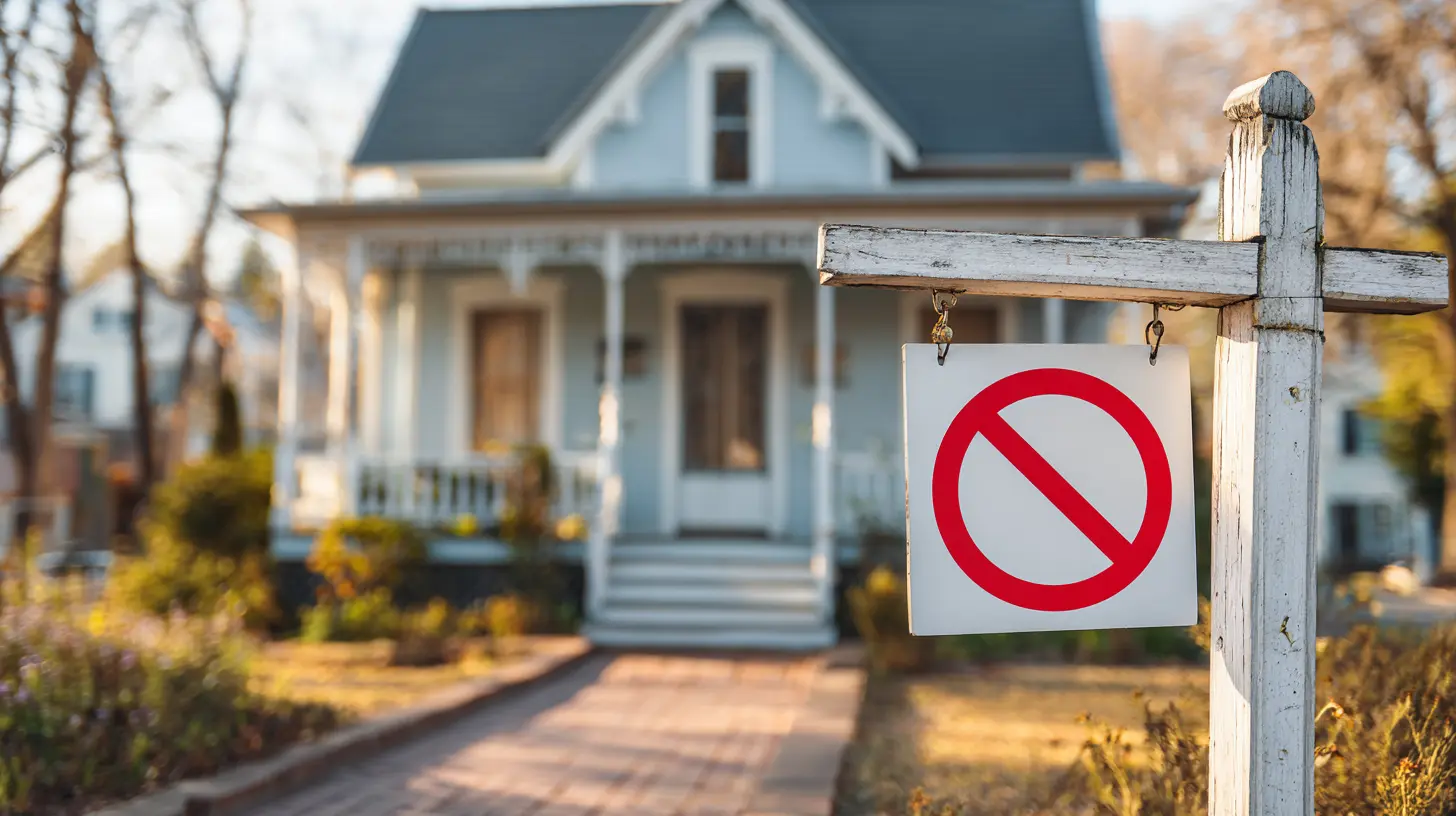
Skipping the Pre-Listing Inspection
Many sellers think an inspection is something the buyer does. That is true, but it is also a missed opportunity. When a buyer hires an inspector, they are looking for reasons to negotiate. The inspector will find things. They always do. The question is whether you find out about those things first, on your own terms, or after the buyer has already formed an emotional attachment to the home and then gets cold feet.A pre-listing inspection costs a few hundred dollars. It can save you thousands. You learn about the roof, the HVAC system, the electrical panel, the plumbing, and any hidden moisture issues before you ever put a sign in the yard. With that knowledge, you have options. You can fix the big items and disclose the small ones. You can adjust your price to reflect necessary repairs. You can even attach the inspection report to your listing so buyers see that you are transparent and that the home has been vetted.
The alternative is playing defense. The buyer's inspector finds a cracked heat exchanger or a slow leak under the sink. The buyer asks for a credit or a price reduction. You are now negotiating from a position of surprise and weakness. You might agree to the credit just to keep the deal alive, or you might lose the buyer entirely and have to start over.
There is a trade-off here. If you do a pre-listing inspection and find major issues, you are legally obligated to disclose them in most states. Some sellers prefer to stay ignorant so they can honestly say they did not know. That is a risky game. Ignorance is not a defense, and buyers can sue after closing if they discover undisclosed defects. The ethical and practical path is to know what you are selling and price it accordingly.

Overlooking the Power of Staging
Staging is not about making a home look pretty. It is about making a home feel neutral, spacious, and easy to imagine as someone else's. The mistake many sellers make is thinking their personal taste is a selling point. It is not. Your family photos, your collection of antique clocks, your bright red accent wall, and your cluttered closets all tell a buyer that this is your home. What you want them to feel is that this could be their home.The cost of staging varies, but even a partial staging with rented furniture and a professional declutter service is usually cheaper than a single price reduction. And the return is real. Staged homes tend to sell faster and for more money because they photograph better, show better, and create an emotional response that empty or cluttered homes do not.
If you cannot afford full staging, focus on the highest-impact areas: the living room, the primary bedroom, and the kitchen. These are the rooms buyers linger in and remember. Remove half of your furniture. Clear all countertops. Store personal items in boxes. Paint over bold colors with a warm neutral. The goal is not to strip the home of character, but to strip it of your identity so the buyer can project their own.
One common misconception is that staging is only for high-end homes. That is false. A modest home benefits even more because buyers are often looking for value. If they walk into a clean, bright, well-arranged space, they perceive it as well-maintained. If they walk into a cluttered, dark, cramped space, they assume there are hidden problems. Perception drives price.
Neglecting Curb Appeal
The outside of your home is the first thing buyers see, and it sets the tone for everything that follows. If the lawn is patchy, the gutters are full, and the front door is peeling, buyers will subconsciously assume the inside is neglected too. They may not even get out of the car.Curb appeal does not have to mean a massive landscaping project. It means making the entrance look clean, cared for, and inviting. Mow the lawn, trim the bushes, sweep the walkway, and wash the windows. Replace the mailbox if it is rusty. Paint the front door a classic color like deep navy or black. Add a couple of potted plants. These are small investments with outsized returns.
The reason curb appeal matters so much is that it creates a narrative. Buyers decide within seconds whether a home feels desirable. That first impression influences how they interpret everything else. If the outside looks good, they are more forgiving of minor interior flaws. If the outside looks bad, they are hypercritical of everything they see inside.
Trying to Hide Problems Instead of Fixing Them
Some sellers think that if they do not mention a leaky roof or a cracked foundation, the buyer will not notice. That is almost never true. Professional inspectors are trained to find these issues. Even if they miss something, the buyer will eventually discover it during their own walkthrough or after they move in. At that point, you are not just dealing with a repair. You are dealing with a lawsuit or a canceled sale.The smarter approach is to fix what you can and disclose what you cannot. Small repairs like a dripping faucet, a broken tile, or a sticking door are cheap to fix and make the home feel well-maintained. Larger issues like an aging roof or an old water heater are better handled through pricing. If the roof has five years of life left, price the home accordingly and be upfront about it. Buyers respect honesty. They punish surprises.
There is also a strategic angle here. When you disclose a known issue and adjust your price, you take away the buyer's leverage. They cannot come back later and demand a credit for something you already told them about. You control the narrative. When you hide something, you give the buyer all the power the moment they find it.
Choosing the Wrong Agent or No Agent at All
The real estate industry has a wide range of skill levels. Some agents are full-time professionals with deep local knowledge and strong negotiation skills. Others are part-time hobbyists who list homes on the MLS and hope for the best. The mistake is assuming that all agents are the same or that the one who quotes the highest price is the best.When you interview agents, ask specific questions. How many homes have they sold in your neighborhood in the last year? What is their average list-to-sale price ratio? How do they handle multiple offers? What is their marketing plan beyond putting a sign in the yard? Do they have a photographer, a stager, and a videographer, or do they take photos with their phone?
The trade-off is between commission rates and results. A discount agent might charge 1 percent less, but if they sell your home for 5 percent less because they did not market it well, you lose money. A full-service agent earns their fee by pricing correctly, negotiating effectively, and managing the process so you do not make costly mistakes.
For Sale By Owner is a different beast. It can work in a hot market where buyers are desperate and inventory is low. But it saves you the commission only if you price correctly, market effectively, handle showings, negotiate contracts, and manage the closing process. Most homeowners are not prepared for that. They end up accepting a lower offer or making legal mistakes that cost more than the commission they saved.
Ignoring the Timing of the Market
Timing matters, but not in the way most people think. Everyone wants to sell in spring when the weather is nice and buyers are active. That is also when everyone else lists, which means more competition. Selling in winter or late summer can be smarter because there are fewer homes on the market and the buyers who are looking are often more serious.The bigger timing mistake is trying to time the market cycle. Homeowners often wait for prices to peak or rush to sell when they hear about a downturn. Neither strategy works well because you cannot predict the future. What you can do is understand your local market conditions. Is inventory high or low? Are homes selling in days or months? Are prices rising, flat, or falling? That data tells you whether you have leverage or whether you need to be more aggressive.
There is also the timing of your own life. Selling during a divorce, after a death, or during a job relocation is emotionally charged. Those situations often lead to rushed decisions or unreasonable expectations. If you can, give yourself time to prepare the home and your mindset before you list. A calm seller makes better decisions.
Overimproving Before the Sale
Not all renovations pay off. A kitchen remodel can cost fifty thousand dollars and return only thirty. A pool can actually hurt your resale value in some markets because it narrows your buyer pool and adds maintenance concerns. The mistake is thinking that your taste and your investment will translate directly into a higher offer.The best improvements before selling are the ones that address function and condition, not style. Fix the roof, update the water heater, replace broken windows, and repair the garage door. These are items buyers will check and negotiate on. Cosmetic upgrades like new countertops or a backsplash can help if your home is dated, but they should be modest and neutral. You are not building your dream kitchen. You are making the home acceptable to the widest possible audience.
A good rule of thumb is to spend on what is broken, clean what is dirty, and declutter what is full. Skip the expensive trends. A buyer who loves the home will want to make it their own. If you have already done that, you are paying for something they will likely tear out anyway.
Getting Emotional During Negotiations
When a buyer lowballs you or asks for a long list of concessions, it is easy to take it personally. You have lived in this home. You have raised a family here. You have memories in every room. A low offer can feel like an insult.But negotiation is not about your feelings. It is about the deal. The buyer is not attacking your home. They are trying to get the best price for themselves. Your job is to respond strategically, not emotionally. That means separating your attachment from the transaction.
One effective technique is to respond to low offers with a counter that is firm but reasonable. You do not have to meet in the middle. You can hold your ground if your pricing is justified. But you also should not walk away from a legitimate buyer over a few thousand dollars. The cost of waiting for the next offer is carrying costs, continued showings, and the risk that the market shifts.
If you find yourself getting angry during negotiations, step back. Let your agent handle the back-and-forth. That is part of what you are paying them for. Your job is to make the final decision, not to argue over every detail.
Forgetting About Carrying Costs
Many sellers focus on the sale price and ignore the cost of holding the property. Every month that your home sits on the market, you are paying the mortgage, property taxes, insurance, utilities, and maintenance. If you have already moved out, you are paying for two homes. That can quickly eat into any price advantage you gained by holding out for a higher offer.This is why pricing right from the start is so important. A home that sells in two weeks at a slightly lower price often nets more than a home that sells in three months at a higher price, once you subtract carrying costs. Do the math before you reject an offer. A difference of ten thousand dollars in price might be wiped out by two months of double mortgage payments.
There is also the opportunity cost. Money tied up in a home you are trying to sell is money you cannot use for your next purchase, investments, or other goals. The longer the sale takes, the longer you are stuck in limbo.
Misunderstanding the Buyer's Financing
Not all offers are equal. A cash offer at a slightly lower price is often better than a financed offer at a higher price. Cash buyers close faster, skip the appraisal, and rarely back out due to loan issues. Financed buyers can fall through if they lose their job, if the appraisal comes in low, or if the lender finds a problem with the property.That does not mean you should always take cash. A financed offer with a large down payment and a pre-approval letter from a reputable lender is often fine. The key is to evaluate the strength of the offer, not just the number. Ask your agent about the buyer's financial situation. Look at the earnest money deposit. Check the contingencies. A buyer who is asking for a long inspection period and every possible concession is a risk.
You also need to be prepared for the appraisal. If the buyer is using a loan, the lender will require an appraisal. If the appraised value comes in below your agreed price, the buyer may ask you to lower the price or walk away. This is where your original pricing strategy matters. If you priced based on comparables, the appraisal should align. If you priced based on emotion, you are setting yourself up for a problem.
Not Preparing for the Move-Out
The sale does not end at closing. The condition of the home at the final walkthrough matters. Some sellers assume that once the contract is signed, they can relax. Then they leave boxes in the garage, forget to remove items from the attic, or leave behind furniture they promised to take. The buyer can delay closing or demand a credit.The best practice is to plan your move before you list. Decide what you are taking and what you are leaving. Label boxes clearly. Keep the home clean and accessible until the day of closing. The final walkthrough is not a formality. It is the buyer's last chance to verify that the home matches what they agreed to buy.
If you are moving far away, consider hiring a professional moving company and a cleaning service for the final day. The cost is minor compared to the risk of a delayed closing or a dispute.
The Bottom Line
Selling a home is a process of managing expectations, information, and emotions. The sellers who do well are the ones who treat it like a business decision while still respecting the personal weight of the home. They price with data, prepare with honesty, and negotiate with patience. They do not try to win every point. They aim to close the deal on terms that make sense.The mistakes outlined here are not exotic. They are the same patterns repeated by sellers in every market, in every price range. The difference between a smooth sale and a stressful one is usually not luck. It is preparation. Know your numbers, know your home, and know your limits. Then let the market do its work.
all images in this post were generated using AI tools
Category:
Selling A HomeAuthor:

Lydia Hodge
Discussion
rate this article
1 comments
Dakota McIntosh
Selling a home requires more than just listing it. Many owners underestimate the importance of staging and pricing. Attention to detail can make a significant difference. Focus on presenting the property well and setting a realistic price to attract buyers.
August 21, 2026 at 3:34 AM
Lydia Hodge
Absolutely. Staging and proper pricing are key. A well-presented home can truly stand out in the market.