Rising Construction Costs and Their Impact on Homes in 2026
24 April 2026
Let’s be honest for a second. If you’ve been dreaming of building your forever home, or even just renovating that fixer-upper you bought during the pandemic, you’ve probably felt a knot tightening in your stomach lately. The numbers are staggering. The price of lumber, concrete, labor, and even the humble copper pipe has gone haywire. And as we look ahead to 2026, the question isn’t if construction costs will keep rising—it’s how much and what does that mean for the roof over your head?
I’m not here to sugarcoat it. This isn’t one of those fluffy real estate articles that tells you everything will be fine if you just “buy now.” No. We’re going to dig into the gritty reality of rising construction costs in 2026, how they’re reshaping the American home, and what you, as a buyer, seller, or homeowner, need to know to navigate this storm. Grab your coffee. Let’s talk.
The Perfect Storm: Why Construction Costs Are Skyrocketing in 2026
You might think, “Isn’t this just inflation catching up?” Sure, inflation plays a role, but it’s more like a perfect storm—a convergence of forces that have been brewing for years. Let me break it down.1. The Labor Shortage Is Real—And It’s Getting Worse
Remember when your grandpa said, “Learn a trade, son. They’ll always need plumbers”? Well, he was right, but the pipeline is drying up. By 2026, the construction industry is facing a massive demographic cliff. The skilled baby boomer workforce is retiring, and younger generations aren’t exactly lining up to swing hammers in the scorching sun. According to recent industry reports, over 40% of the current construction workforce will be eligible for retirement by 2026. That’s a gaping hole.What does that mean for you? Simple: labor costs are soaring. General contractors are bidding higher because they have to pay top dollar to attract the few skilled carpenters, electricians, and masons left. And if you think you can just hire a handyman to save money? Good luck. The shortage means even the “cheap” guys are charging premium rates. It’s like trying to buy a concert ticket for Taylor Swift—everyone wants in, but there aren’t enough seats.
2. Materials: The Unpredictable Beast
Let’s talk about lumber. In 2020, we saw lumber prices spike over 300%. Then they crashed. Then they spiked again. By 2026, we’re looking at a new normal: high volatility. Why? Because the supply chain is still fragile. Climate change is hammering forests (wildfires in Canada, beetle infestations in the Pacific Northwest), and tariffs on Canadian lumber are still a political football. Concrete? Cement production is energy-intensive, and with energy prices fluctuating due to global instability, concrete costs are climbing. Steel? Same story.And here’s the kicker: even if you find affordable materials, you might not get them on time. Lead times for windows, doors, and appliances have stretched from weeks to months. Imagine ordering a custom front door in January and not seeing it until June. That’s 2026 for you.
3. Regulatory Red Tape and Green Mandates
I’m all for saving the planet, but the push for energy-efficient, sustainable construction is adding a hefty price tag. By 2026, many states and municipalities have adopted stricter building codes—think net-zero energy requirements, higher insulation standards, and mandatory solar panel readiness. These aren’t bad things, but they cost money. A standard 2x4 wall might now need to be a 2x6 wall with spray foam insulation. That’s not just a few extra dollars; it’s thousands.Plus, permitting delays are getting worse. Local governments are understaffed, and getting a permit for a new build can take six months or more. Time is money, and every month of delay adds carrying costs for land, loans, and temporary housing.
The Ripple Effect: How Rising Costs Are Changing the Homes We Live In
Okay, so costs are up. Big deal, right? You just pay more. But here’s where it gets interesting—and a little heartbreaking. Rising construction costs aren’t just inflating prices; they’re fundamentally changing the design, size, and quality of the average American home.The Shrinking American Dream: Smaller Homes, Smaller Lots
Remember the McMansions of the 2000s? Those 4,000-square-foot behemoths with vaulted ceilings and three-car garages? They’re becoming extinct. In 2026, builders are shrinking floor plans to keep prices within reach. The average new home size has dropped by nearly 10% since 2020, and that trend is accelerating.Why? Because square footage is the easiest cost to cut. If you can’t afford to build a 3,000-square-foot home for $500,000, you build a 2,200-square-foot home for the same price. But here’s the rub: you’re paying the same amount for less space. It’s like paying full price for a half-empty pizza box.
The Death of the Custom Home (For Most of Us)
I love custom homes. I grew up in one—my dad spent two years designing every nook and cranny. But in 2026, custom building is becoming a luxury reserved for the top 1%. The rest of us are stuck with tract homes and production builders who use cookie-cutter plans. Why? Because customization costs time and materials, and both are in short supply. Builders are streamlining to survive. They’re using the same floor plans, the same finishes, and the same layouts across entire subdivisions.If you want a quirky layout, a curved staircase, or a sunken living room? Prepare to pay a premium that might double your budget. It’s like ordering a burger with no bun—you can do it, but the chef will charge you extra for the inconvenience.
The Rise of “Starter Castles” and ADUs
On the flip side, necessity is breeding creativity. With new construction costs so high, homeowners are turning to Accessory Dwelling Units (ADUs)—those tiny homes in the backyard. In 2026, ADUs are booming. They’re cheaper to build (often under $150,000), and they offer a way to generate rental income or house aging parents.But even ADUs aren’t immune to cost pressures. A simple 400-square-foot ADU that cost $80,000 in 2020 might now run $130,000. Still, compared to a $500,000 new build, it’s a relative bargain. Think of it as the “studio apartment” version of homeownership—compact, efficient, and surprisingly livable.
The Human Cost: What This Means for Buyers and Sellers
Let’s get personal. If you’re a first-time homebuyer in 2026, you’re probably feeling like you’re trying to catch a train that’s already left the station. Rising construction costs mean that even “affordable” new homes are priced out of reach. The median new home price in many markets is now pushing $500,000, and that’s for a basic 1,800-square-foot house with laminate countertops and vinyl flooring.The Renovation Trap
What about existing homes? You might think, “I’ll just buy an older home and fix it up.” But here’s the trap: renovation costs have skyrocketed too. A kitchen remodel that cost $25,000 in 2019 is now closer to $40,000. A bathroom? $15,000 becomes $25,000. And if you need structural work—foundation, roof, electrical—you’re looking at six figures.So, you’re stuck. You can’t afford new construction, and you can’t afford to renovate an old house. What do you do? You either stretch your budget to the breaking point, settle for a fixer-upper you’ll never fix, or rent forever. It’s a grim choice.
The Seller’s Dilemma
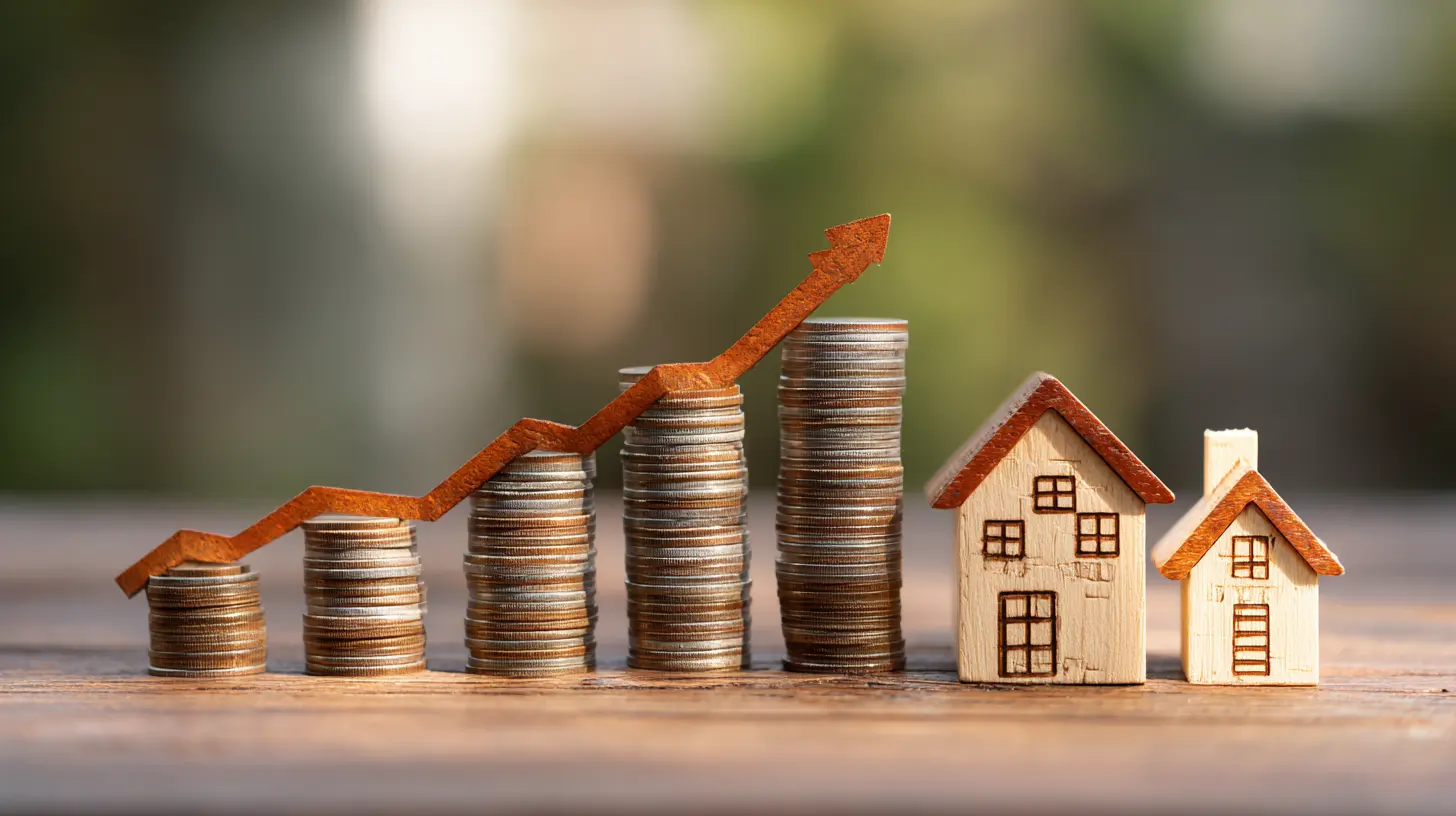
If you’re selling, you might think you’re sitting pretty. And you are—sort of. Home values have risen, partly because new construction is so expensive that existing homes look like bargains. But here’s the catch: if you sell, where do you go? You’ll have to buy another home, which is also expensive. And if you’re planning to build? Good luck.I’ve talked to sellers who walked away from closing tables with a fat check, only to realize they couldn’t afford to buy anything comparable. They ended up renting, which is a terrible long-term strategy. The rising construction costs create a weird paradox: your home is worth more, but your next home costs even more.
The Silver Lining: Innovation and Adaptation
I don’t want to be all doom and gloom. There are bright spots. Necessity is the mother of invention, and 2026 is seeing some fascinating adaptations.Modular and Prefab Homes Are Having a Moment
Remember those ugly boxy modular homes from the 1970s? They’ve had a glow-up. Modern modular construction is faster, cheaper, and often higher quality than stick-built homes. Factories can build modules in controlled environments, reducing waste and labor costs. By 2026, modular homes account for nearly 15% of new single-family construction in some regions.The downside? You still need land, permits, and a foundation. But if you’re flexible on design, modular can save you 20-30% compared to traditional construction. It’s like buying a pre-made suit instead of a bespoke one—fits well enough, looks good, and costs a fraction.
3D Printing and New Materials
I know, it sounds like science fiction, but 3D-printed homes are real. By 2026, companies like ICON and Mighty Buildings are printing concrete walls in 24 hours. The cost? About 30% less than traditional framing. And new materials—like hempcrete, bamboo, and recycled plastics—are making inroads. They’re cheaper, lighter, and more sustainable.But here’s the reality check: these technologies are still niche. They’re not available everywhere, and they come with their own learning curves. For most of us, the dream of a 3D-printed home remains a dream.
The “Buy Land, Build Later” Strategy
Some savvy buyers are pivoting. Instead of buying a finished home, they’re buying land and waiting. They’re locking in land prices now (which are also rising, but slower than construction costs) and planning to build in 2-3 years when (hopefully) the market stabilizes. It’s a gamble, but it’s a smart one if you have patience and capital.What You Can Do: Practical Advice for 2026
Enough theory. Let’s get practical. If you’re reading this, you’re probably wondering, “What should I do?” Here’s my honest take.1. Lock in Prices Early
If you’re planning to build, sign a fixed-price contract as soon as possible. Many builders are now adding escalation clauses that let them pass on cost increases. Negotiate hard. Get everything in writing. And don’t be afraid to walk away if the deal feels shaky.2. Consider a “Phased” Renovation
Instead of gutting your entire house, do it in stages. Finish one room at a time. This spreads out costs and lets you adjust as prices change. It’s like eating an elephant—one bite at a time.3. Embrace the “Tiny” Trend
You don’t need 3,000 square feet. Seriously. A well-designed 1,200-square-foot home can feel spacious if it’s laid out smartly. Look for open floor plans, high ceilings, and lots of natural light. You’ll save on materials, utilities, and maintenance.4. Build a Network
Find a good contractor, architect, and real estate agent who understand the 2026 market. They can help you navigate shortages, find deals on materials, and avoid scams. Word of mouth is gold.5. Be Patient—But Not Too Patient
Waiting for prices to drop? Don’t hold your breath. Construction costs have been rising for decades, and there’s no sign of a major reversal. The best time to build was yesterday. The second best time is today—if you can afford it.
The Big Picture: A New Normal
So, what’s the takeaway? Rising construction costs in 2026 aren’t a temporary blip. They’re a structural shift. We’re moving from an era of cheap, abundant housing to one of expensive, constrained housing. Homes are getting smaller, simpler, and more expensive. The days of the sprawling suburban dream are fading.But that doesn’t mean the dream is dead. It’s just changing. We’re learning to value quality over quantity, efficiency over extravagance, and community over isolation. Maybe that’s not such a bad thing.
As you navigate this landscape, remember: you’re not alone. Every buyer, seller, and builder is feeling the pinch. The key is to stay informed, stay flexible, and stay realistic. And if you can’t build your dream home in 2026? That’s okay. Build a good home. Build a smart home. Build a home that works for you, not for the market.
After all, a home isn’t just walls and a roof. It’s where your life happens. And no amount of rising costs can take that away.
all images in this post were generated using AI tools
Category:
Housing Market TrendsAuthor:

Lydia Hodge
Discussion
rate this article
2 comments
Vivian McGee
Looks like we might need to add a ‘DIY’ section to our home-buying checklist! With rising construction costs in 2026, it’s time to channel our inner home improvement guru!" 🛠️🏡
April 27, 2026 at 3:56 AM
Lydia Hodge
Great idea! A DIY section could help homeowners save while adding personal touches. Let's get creative!
Echo Newman
Oh great, just what we need—houses that cost more than our futures! Can't wait to see the price tags in 2026!
April 26, 2026 at 10:33 AM
Lydia Hodge
I understand your frustration. The rising costs are a real challenge for many. Let's hope for more affordable options in the future.