Smart Home Technologies Leading the Urban Real Estate Market
17 December 2025
Let’s not beat around the bush—real estate is changing. And fast. In urban areas especially, we’re seeing a new kind of property take center stage: the smart home. Not just a buzzword anymore, smart home technologies are transforming how buyers and renters see and experience real estate.
Whether you're a buyer, seller, investor, or simply curious, you’ll want to stick around. Because in this article, we’re diving deep into how smart home technologies are leading—not following—the urban real estate market.
What Exactly Is a Smart Home?
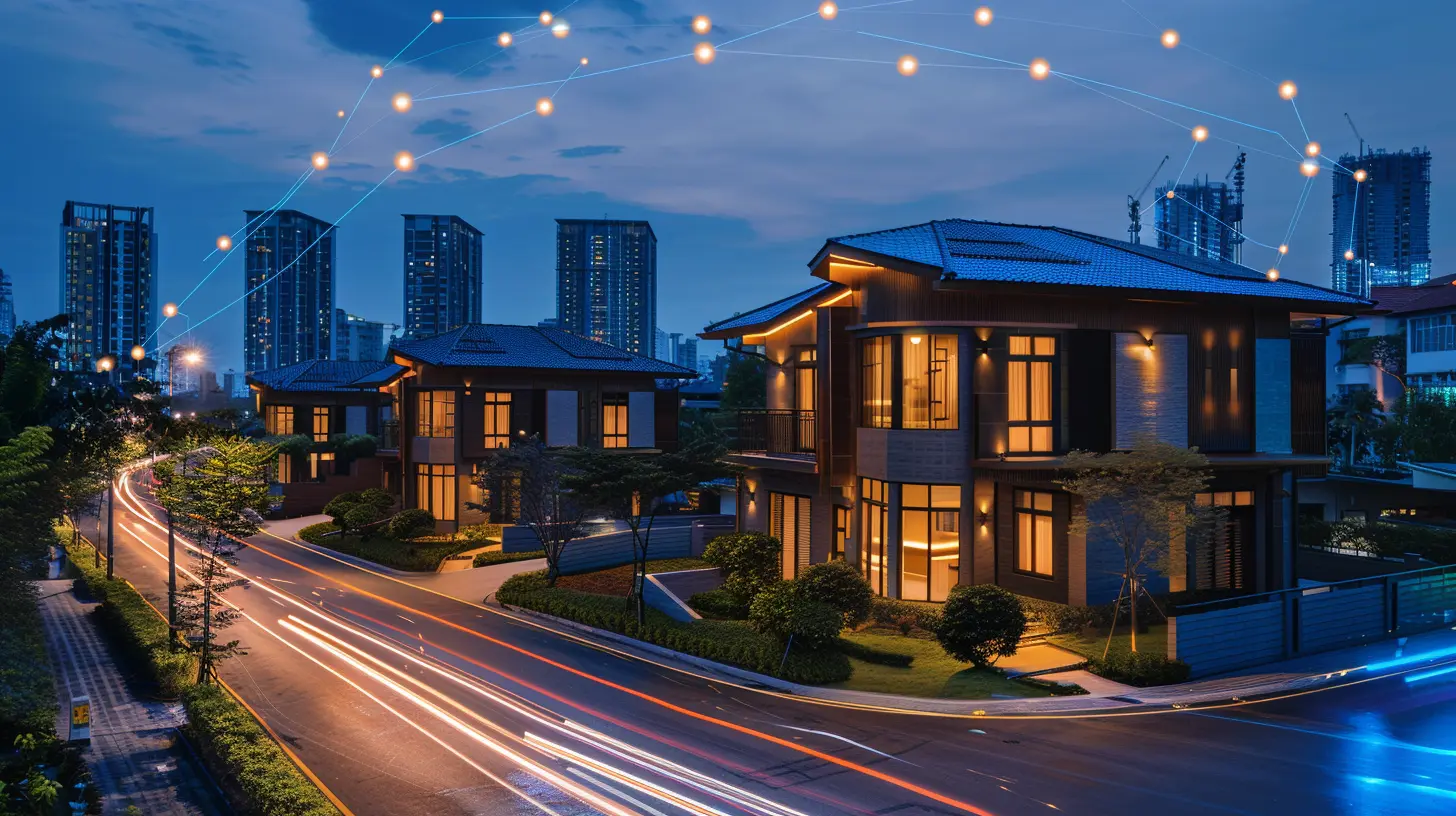
Before we get too far ahead of ourselves, let’s quickly define what we’re talking about. A smart home is equipped with devices connected through the internet that allow remote monitoring and control. Think gadgets like smart thermostats, camera systems, lighting, locks, appliances, and even lawn sprinklers—controlled right from your phone or with your voice.Not to complicate things, but smart homes aren’t just about convenience anymore. They're about security, energy efficiency, and yes—property value. And in modern city living, that’s a game changer.

Why Smart Homes Are Attracting Urban Buyers (In Big Numbers)
Let’s face it—buyers today are not just looking for four walls and a roof. They want lifestyle upgrades. Here's why smart home features are such a hit:- Convenience is king: Who wouldn't love saying “turn off the lights” from bed and actually having it work?
- Safety matters: Smart security systems give homeowners peace of mind whether they're grocery shopping or on a beach vacation.
- Energy savings = Money savings: Smart thermostats and lighting help reduce utility bills—a win-win for eco-conscious and budget-savvy consumers.
- Cool factor: There’s just something about impressing your friends with motion-sensor lights and voice-activated coffee makers.
In a densely populated city, these perks go beyond novelty—they’re necessities.
The Top Smart Technologies Boosting Property Appeal
Wondering what exactly makes a property “smart?” Let’s break it down. Here are the technologies that are driving the most impact (and sealing the deal on property sales):1. Smart Thermostats
Take the Nest or Ecobee, for example. These devices do more than just adjust the temperature. They learn your habits, adapt to your schedule, and save you major bucks on energy. For city dwellers paying sky-high electric bills, this is pure gold.Besides, energy-efficient homes are more attractive to environmentally-conscious buyers. In fact, properties advertising energy-saving features sell faster and often at higher prices.
2. Intelligent Security Systems
Think video doorbells like Ring, smart locks like August, and security cams that you can access from anywhere in the world. These gadgets are practically standard in urban listings now.And if you’ve ever lived in a busy city, you know the importance of feeling safe. A secured entry and surveillance system is a huge value-add—not just for owners but also for renters.
3. Smart Lighting
Here’s where things get fancy. Smart lights can be programmed to dim, change colors, or even automate depending on your daily routine. Got a pet at home? Set the lights to mimic your presence. Hosting a party? Cue mood lighting with one tap.It’s not just about ambiance either—LED smart lighting saves energy and lasts longer.
4. Smart Appliances
Modern buyers are impressed when kitchens come with advanced fridges that track groceries or ovens that can preheat via smartphone. Urban buyers, short on time and space, appreciate the functionality of these appliances.In the competitive urban housing market, these small touches can be the difference between someone saying “meh” and “I’ll take it.”
5. Voice Assistants Integration
Alexa, Google Assistant, Siri—these names are everywhere. Homes that are fully compatible with them are flying off the shelves because of how effortlessly they blend into routines.Want coffee ready when your alarm goes off? Or to dim the lights and play your favorite playlist with a one-liner? Urban buyers eat that up.
The Smart Home Appeal in Urban Settings
Okay, so we’ve established that smart tech is cool and practical. But why is it especially attractive in urban real estate?Space Efficiency
City homes are smaller by nature, and smart tech is all about optimizing space. A compact apartment that can multitask—automatically adjusting temperatures, lighting, and security—feels a lot bigger than it really is.Lifestyle-Driven Buyers
Urban residents tend to be tech-savvy professionals who value time, convenience, and lifestyle. They’d rather control their home with an app than fiddle with manual switches. Smart homes cater perfectly to this crowd.Short-Term Rentals are Smarter
With the rise of Airbnb and similar platforms, landlords are turning to smart locks and thermostats to manage properties remotely. The result? Higher ratings, easier turnovers, and happier guests.Increased Property Value
Let’s talk dollars. Homes with smart upgrades can command higher prices. In fact, many sellers are investing in these features strategically just before listing to boost their return on investment.So yes, smart tech is not just about fancy features; it’s about smart selling.
Real Estate Agents Are Getting Smarter Too
Today’s agents aren’t just showing square footage and countertops. They’re demonstrating how a smart home operates. This shift means agents now need to be tech-literate to highlight the full value of these automated features.Virtual tours can also now include smart home demos, which is another layer of convenience that buyers in urban hubs absolutely love.
Common Concerns About Smart Homes (and Why They’re Not Dealbreakers)
As with anything new, smart home technologies come with some hesitation. So let’s address the elephant in the room.Is it safe from hackers?
Fair question. Any device connected to the internet has potential risk. But with proper encryption, strong passwords, and regular updates, smart home devices are pretty secure.Plus, newer models are being developed with advanced security protocols to stay one step ahead of cyber threats.
What if it gets too complicated?
That’s the beauty of it—smart homes are designed to make life easier, not harder. Most systems now offer intuitive controls, easy app navigation, and voice commands that even non-tech-savvy folks can handle.Will the technology become outdated?
Sure, tech evolves. But the modular nature of most smart home systems means you can upgrade without ripping out entire infrastructure. It’s like getting new apps for your phone—you don’t replace the whole phone every time.How This Impacts Investors and Developers
Investors and developers are key players in this tech revolution. Incorporating smart home features from the ground up isn’t just forward-thinking—it’s financially smart.Higher ROI Potential
Smart homes rent and sell faster. Period. In hot urban markets, time is money, and smart technology gives properties that “wow” factor that cuts down selling time.Targeting Millennial and Gen Z Buyers
These generations grew up with technology. They expect it, and they’re entering the housing market in large numbers. Developers who cater to their preferences will win big.
The Future Looks Even Smarter
We’ve only scratched the surface of what’s coming. Imagine homes that not only react but predict your actions. Artificial Intelligence (AI) paired with Internet of Things (IoT) devices will bring hyper-personalized living experiences.Think smart mirrors that give you weather updates while brushing your teeth. Or fridges that suggest recipes based on what’s inside and your dietary goals. The urban lifestyle is about to get a serious upgrade.
Final Thoughts
Let’s keep it real—smart homes are no longer a luxury in the urban real estate market. They’re quickly becoming the standard. Buyers want them. Renters ask for them. Investors love them. And agents are banking on them.The future of city living is not just about location, square footage, or even design—it’s about intelligence. So whether you're buying, selling, or building, it’s time to get smart—literally.
all images in this post were generated using AI tools
Category:
Urban LivingAuthor:

Lydia Hodge
Discussion
rate this article
2 comments
Andrew Scott
Smart home tech isn’t just a trend; it’s revolutionizing urban living. Buyers demand efficiency, security, and convenience, and if you're not adapting to these innovations, you're falling behind. Embrace the future or watch your properties lose value. The choice is clear!
December 21, 2025 at 8:29 PM
Lydia Hodge
I appreciate your insight! Embracing smart home technology is indeed essential for staying competitive in the evolving urban real estate market.
Devin Harper
While smart home technologies undoubtedly enhance urban living, their integration poses challenges such as data privacy concerns and accessibility for diverse socioeconomic groups. The focus should not only be on innovation but also on ensuring these advancements are inclusive, sustainable, and truly beneficial for all residents in the urban landscape.
December 19, 2025 at 3:53 AM
Lydia Hodge
You raise an important point. Ensuring that smart home technologies are inclusive and address data privacy is crucial for their success in urban real estate. We must prioritize sustainable solutions that benefit all residents. Thank you for your insight!