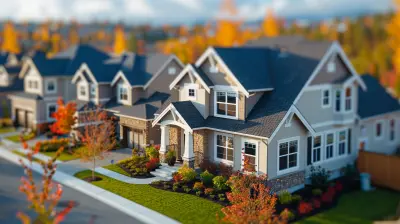
Smart Home Upgrades That Actually Add Value in 2027 and Beyond
26 September 2026
Walk through any home improvement store and you will see aisles packed with gadgets promising to transform your house into a connected marvel. Smart bulbs, voice assistants, automated blinds, app-controlled everything. The marketing is relentless. The reality is messier. Many of these products lose value the moment you install them, and some actively hurt your home's appeal when it comes time to sell.
But that does not mean smart home technology is a waste of money. It means the category needs a filter. Some upgrades genuinely increase what buyers will pay and how quickly your home sells. Others are expensive hobbies dressed up as investments. The difference between the two often comes down to a few practical questions: Does it solve a real problem? Is it durable? Can it work without a subscription? Will it still be supported five years from now?
This article breaks down which smart home upgrades make financial sense heading into 2027 and beyond, why they work, where they fall short, and what to consider before you spend a dollar.
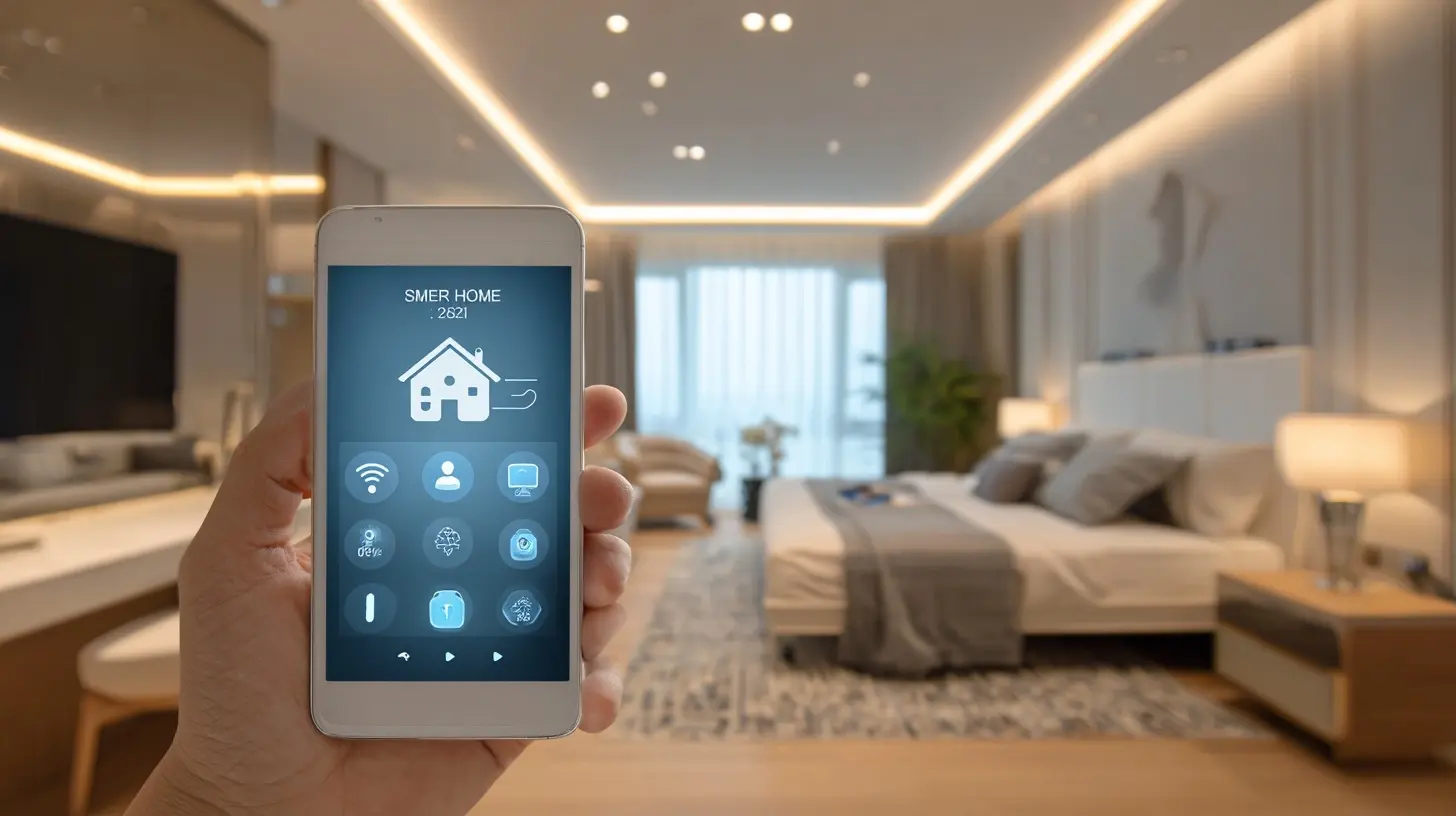
Why Most Smart Home Gadgets Do Not Add Value
Before getting into what works, it helps to understand why so much of what gets sold as smart home tech fails the value test.The subscription trap
Many smart devices become paperweights without an ongoing subscription. Video doorbells that charge monthly fees for recording history. Security cameras that lock basic features behind a paywall. Smart thermostats that lose their best features after a trial period. When a buyer tours your home and realizes they will need to pay fifteen dollars a month just to keep the doorbell working, that is not an asset. It is a liability.Obsolescence at speed
The smart home industry moves fast. A hub or protocol that seemed like the future in 2022 may be abandoned by 2027. Companies shut down, apps stop getting updates, and hardware that once felt cutting-edge becomes e-waste. Buyers know this. A house full of proprietary gadgets from a company they have never heard of can feel like a risk rather than a bonus.Complexity that overwhelms
A fully automated home with dozens of interconnected devices sounds impressive in a listing. In practice, it can intimidate buyers who do not want to learn a new operating system just to turn on the lights. If your smart home requires a manual to operate, it is not adding value. It is adding friction.
The Upgrades That Hold Their Ground
With those pitfalls in mind, here are the categories of smart home upgrades that tend to justify their cost, both in daily use and at resale.1. Smart thermostats with no required subscription
A quality smart thermostat remains one of the safest bets in the category. The reason is simple: it addresses a universal concern. Everyone cares about energy bills. A thermostat that learns your schedule, adjusts automatically, and shows clear savings on heating and cooling costs delivers tangible value that buyers can understand immediately.What separates a good investment from a bad one here is the subscription question. Some manufacturers bundle advanced features like detailed energy reports or remote sensor support behind a monthly plan. Others offer everything upfront. When you are choosing, favor models that work fully without an ongoing fee. This keeps the value proposition clean for you and for any future buyer.
Consider also compatibility. A thermostat that works with common HVAC systems, including heat pumps and multi-stage furnaces, appeals to a wider range of homes. If you have an unusual system, verify support before buying. There is nothing worse than a smart thermostat that cannot actually control your equipment.
2. Smart locks with multiple access options
Smart locks have matured significantly. Early models were unreliable and easy to defeat. Modern versions from established brands offer solid security, keypad entry, app control, and the ability to issue temporary codes for guests, cleaners, or contractors.The value here is convenience with a clear use case. Being able to let someone in without hiding a key under a mat is something most homeowners appreciate. It also eliminates the "lost key" problem, which is a genuine security concern.
That said, not all smart locks are equal. Some rely on Wi-Fi and drain batteries quickly. Others use Bluetooth only, which limits remote access. The most reliable options often combine multiple connection methods and include a physical keyway as a backup. That last point matters. Buyers may hesitate to purchase a home where the only way in is through an app that could fail.
Avoid locks that require a hub from a company with a shaky track record. Stick with brands that have been around, have strong support, and use widely adopted standards.
3. Video doorbells with local storage options
A video doorbell is one of the most visible smart upgrades you can make. It sits right at the front door, which means buyers notice it during a showing. More importantly, it solves a problem almost everyone has experienced: missing a package delivery or wondering who rang the bell while you were away.The key to making this a value-add rather than a value-drain is storage. Cloud-only doorbells often require a subscription to access recorded footage. Local storage options, whether through a base station or a microSD card, let you keep recordings without monthly fees. Some systems support both, giving you flexibility.
Picture quality matters too. A doorbell that captures a blurry silhouette at night is not useful. Look for models with good low-light performance and a wide field of view that covers the porch and walkway. Installation should be straightforward, ideally using existing doorbell wiring so you are not constantly recharging batteries.
4. Smart lighting that works with standard switches
Smart lighting is where a lot of people overspend. Color-changing bulbs are fun, but they rarely add resale value. What does add value is lighting that improves daily life without requiring an app for basic operation.The best approach is to focus on smart switches rather than smart bulbs. A smart switch replaces your existing wall switch and controls the fixture normally. Anyone can walk in and use it like a regular light switch. The smart features, such as scheduling or voice control, are optional extras rather than requirements.
This matters for two reasons. First, it means the home remains usable even if the smart system fails or the buyer does not want to use it. Second, it avoids the problem of bulbs that lose their smart features when someone flips the wrong switch. Smart bulbs are fine for lamps and accent lighting, but for ceiling fixtures and main living areas, switches are the more durable choice.
Stick with established protocols like Zigbee, Z-Wave, or Matter-compatible Wi-Fi switches. These are more likely to remain supported and to work with a range of hubs and voice assistants.
5. Security cameras with clear privacy controls
A well-placed security camera system can be a genuine asset. It provides peace of mind, deters theft, and can even lower insurance premiums in some cases. But the value depends heavily on how it is implemented.Outdoor cameras that cover entry points, driveways, and back doors are the most useful. Indoor cameras are more of a personal preference and can raise privacy concerns for buyers. If you do install indoor cameras, make sure they are easy to remove or disable, and be transparent about their presence.
As with doorbells, storage is the deciding factor. Local storage through a network video recorder or a base station avoids subscription fees and keeps footage under your control. Cloud storage is convenient but often comes with ongoing costs. A hybrid approach, where local storage is primary and cloud is optional, tends to offer the best balance.
Privacy controls are also worth considering. Cameras that clearly indicate when they are recording, and that allow you to define privacy zones, are more likely to be seen as responsible additions rather than surveillance overreach.
6. Smart water leak detectors and shutoff valves
This is the upgrade that many homeowners overlook, yet it may offer the strongest return of any smart device. Water damage is one of the most common and expensive home insurance claims. A smart leak detector can catch a small drip before it becomes a flooded basement. An automatic shutoff valve can stop the water supply entirely when a leak is detected.The value here is not about convenience. It is about risk reduction. Buyers and insurers both care about that. In some regions, having an automatic shutoff system can even qualify you for insurance discounts. That is a tangible financial benefit that persists beyond the novelty phase.
These systems do require some installation work, often by a plumber. But the cost is modest compared to the potential damage from an undetected leak. If you are choosing just one smart upgrade to prioritize, this is a strong candidate.
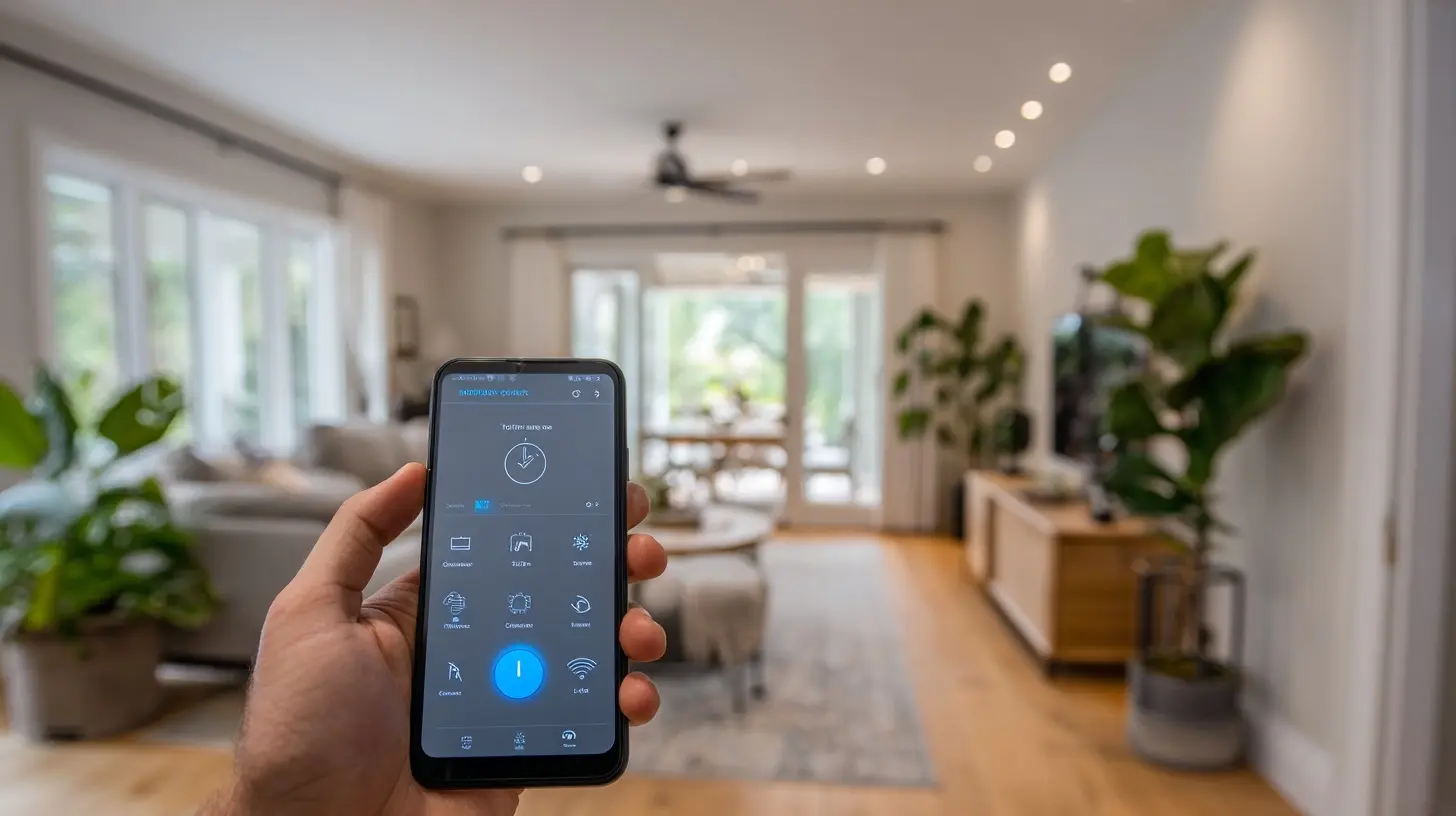
What to Avoid
Knowing what not to buy is just as important as knowing what to buy. Here are the categories that tend to disappoint.Voice assistants as a selling point
Built-in voice assistants from specific brands are risky. The technology is tied to a company and a platform. If that company changes direction or discontinues the product, you are left with a dead microphone. Buyers may also have privacy concerns or prefer a different ecosystem. A standalone smart speaker is easy to remove. A wall-mounted assistant is not.Smart appliances with proprietary apps
Refrigerators with touchscreens, ovens that connect to your phone, washing machines with Wi-Fi. These features sound impressive but rarely justify their cost. They add complexity, increase repair costs, and often rely on apps that are poorly maintained. A refrigerator's job is to keep food cold. If the smart features fail, you still have a refrigerator. But you paid a premium for features you may never use.Overly complex whole-home automation
A fully automated home with scenes, routines, and conditional logic can be a joy to live in if you built it yourself and understand it. For a buyer, it can be a headache. If your system requires a specific hub, a specific app, and a specific set of rules to function, it is not adding value. It is adding a learning curve.
How to Make Smart Upgrades Work for Resale
If your goal is to increase your home's value, a few principles will help you get more out of every dollar you spend.Keep it simple and standard
Choose devices that use widely adopted protocols and work with multiple platforms. Matter, the interoperability standard backed by major tech companies, is a step in the right direction. Devices that support Matter are more likely to remain compatible with whatever system a buyer prefers.Avoid subscriptions
A smart home that costs money every month is harder to sell. Buyers already have enough recurring expenses. If your devices work fully without a subscription, that is a selling point. If they do not, consider whether the value justifies the ongoing cost.Make it removable
Permanent installations are riskier. If a buyer does not want your smart thermostat, they should be able to swap it out easily. If they do not like your video doorbell, they should be able to replace it without patching walls. The more removable your upgrades are, the less risk they carry.Document everything
Leave behind a simple guide. Which devices are installed, how they connect, what apps are needed, and how to reset them. This small step can turn a confusing setup into a manageable one for a new owner. It also signals that you took care of your home, which builds trust.The Bottom Line
Smart home upgrades can add value, but only when they solve real problems, avoid ongoing costs, and remain useful even if the smart features are ignored. The best investments are the ones that make a home safer, more efficient, or more convenient in ways that anyone can appreciate.Focus on thermostats, locks, doorbells, lighting controls, security cameras, and leak detection. Skip the gimmicks. Choose products from companies with a track record. Keep your setup simple enough that a stranger could use it. Do that, and your smart home will be an asset rather than a curiosity.
all images in this post were generated using AI tools
Category:
Residential Real EstateAuthor:

Lydia Hodge
Discussion
rate this article
2 comments
Lyra Reynolds
Investing in smart home features like energy-efficient systems and enhanced security can significantly boost property value and appeal to future buyers.
October 14, 2026 at 4:29 AM
Lydia Hodge
Absolutely, smart home features are becoming essential for attracting buyers. Energy efficiency and security upgrades not only enhance comfort but also drive up property value.
Liora McWhorter
If your smart home isn't upgrading, it's time to rethink your future, honey.
September 27, 2026 at 4:34 AM