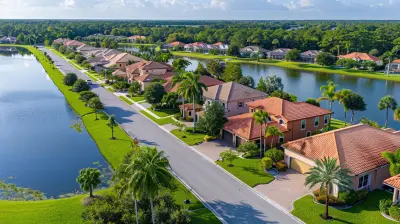
Sustainable Home Improvements Every Homeowner Should Consider
30 July 2026
There is a difference between a house that simply stands and a home that works with you, for you, and for the environment around it. For too long, sustainable home improvements have been framed as a sacrifice. You give up comfort, you pay more upfront, and you wait years for a payoff. That framing is not just outdated; it is misleading. The truth is that the most effective sustainable upgrades make your home more comfortable, more durable, and less expensive to operate from day one. The challenge is knowing which changes actually deliver on that promise and which are just expensive badges of eco-consciousness.
I have spent years evaluating residential construction, energy systems, and material lifecycles. What I have learned is that sustainability is not about a single product or a trendy technology. It is about system thinking. You change one thing, and it affects everything else. A new HVAC system is only as good as the insulation in your attic. Solar panels perform poorly if your roof is not properly ventilated. The best approach is to understand your home as a whole, then prioritize improvements that create compounding benefits.
The Real Starting Point: Energy Efficiency Before Generation
Almost every homeowner makes the same mistake. They see a neighbor with solar panels and think that is the first step. It is not. The first step is reducing what you use, not generating more. This is the single most important concept in sustainable home improvement. If your home leaks energy like a sieve, adding solar panels just means you are generating power to heat the outside.Start with an energy audit. You can hire a professional with a blower door test and thermal imaging, or you can do a basic walkthrough yourself. Feel for drafts around windows and doors. Check attic insulation levels. Look at your ductwork in the basement or crawlspace. The results will tell you exactly where your money is bleeding out.
Air Sealing: The Highest ROI Improvement
Air sealing is boring. It does not look impressive. You will never show it off to guests. But it is the single highest-return investment you can make in your home. A typical home has enough gaps and cracks to equal an open window the size of a basketball. Every time your furnace or air conditioner runs, it is trying to condition that entire volume of air, and much of it is escaping.Focus on the attic floor, rim joists in the basement, and around any penetration where pipes or wires go through walls. Use caulk for small cracks and expanding foam for larger gaps. Do not use regular spray foam around heat sources like recessed lighting; use fire-rated foam or build a box around the fixture. This is a weekend project that costs a few hundred dollars and can reduce your heating and cooling bills by 15 to 30 percent. That is real money, year after year.
Insulation: Thickness Matters, But So Does Placement
Most homes built before 2000 are under-insulated by modern standards. The common advice is to add insulation to the attic, and that is correct. Heat rises, and in winter, your attic is where most of it escapes. In summer, the opposite happens. Radiant heat from the sun bakes your roof, and without adequate insulation, that heat moves into your living space.But there is a nuance that many miss. Blown-in cellulose is often better than fiberglass batts in existing homes because it fills gaps more completely. It also has better sound-dampening properties and a higher thermal mass. However, cellulose can settle over time, and if it gets wet, it holds moisture and can lead to mold. Fiberglass does not hold moisture the same way, but it loses R-value when compressed. The best choice depends on your climate and the condition of your roof. In dry climates, cellulose is excellent. In humid areas, consider spray foam for the attic deck, but be careful. Spray foam that is too thick can trap moisture in the roof sheathing and cause rot. This is a common mistake that leads to expensive repairs later.
Windows: The Most Overrated Upgrade
I will say this plainly. Replacing old windows for energy savings alone is almost never worth the cost. The payback period is often 20 years or more. You will save more money for less expense by air sealing and adding insulation. That does not mean windows are unimportant. They are important for comfort, noise reduction, and aesthetics. But if your primary goal is sustainability, put window replacement low on your list.If your windows are single-pane and drafty, the best interim solution is interior storm windows. These are acrylic or glass panels that mount inside your existing window frame. They create an air gap that dramatically reduces heat loss, and they cost a fraction of full replacement. If you do decide to replace windows, look for a U-factor below 0.30 and a Solar Heat Gain Coefficient appropriate for your climate. In cold climates, you want a low U-factor and a higher SHGC to capture passive solar heat. In hot climates, you want both numbers low.
Water Heating: The Hidden Energy Hog
Most people think of heating and cooling when they think of energy use. But water heating is typically the second-largest energy expense in a home, often accounting for 15 to 20 percent of your utility bill. The standard tank water heater is a simple device, but it is also wasteful. It heats 40 to 60 gallons of water and keeps it hot 24 hours a day, even when you are asleep or away.Heat Pump Water Heaters: The Smart Choice
If you have an electric water heater, replacing it with a heat pump water heater is one of the most impactful changes you can make. It uses the same technology as your refrigerator but in reverse. It pulls heat from the surrounding air and transfers it to the water. This makes it two to three times more efficient than a standard electric resistance heater.The catch is that it needs to be in a space that stays above 40 degrees Fahrenheit and has enough air volume. Basements, garages, and utility rooms work well. A small closet does not. Also, a heat pump water heater will cool and dehumidify the space around it. In a hot, humid basement, that is a bonus. In a cold basement, it can make the space uncomfortable. You also need to consider noise. These units have a compressor and fan, so they are not silent. Newer models are much quieter, but you will hear it.
Tankless Heaters: Not Always the Answer
Tankless water heaters have a reputation for efficiency, and they are indeed more efficient than a standard tank. But the savings are often overstated. A tankless heater eliminates standby losses, but it has its own inefficiencies. It takes time to heat the water to temperature, and that first few seconds of cold water is wasted. For a family of four, the actual energy savings over a modern high-efficiency tank heater may be only 10 to 15 percent. The big advantage of tankless is endless hot water and a longer lifespan. The downside is higher upfront cost and the need for regular maintenance. Hard water can scale the heat exchanger and kill the unit in a few years if you do not flush it annually.
Solar Panels: Timing and Economics
Solar panels are a visible symbol of sustainability, but they are also a financial decision that requires careful analysis. The economics depend heavily on your local electricity rates, net metering policies, and the amount of direct sunlight your roof receives.When Solar Makes Sense
Solar is most attractive in areas with high electricity costs and strong net metering programs. If your utility pays you the retail rate for excess power, your payback period can be as short as five to seven years. If you live in an area with low electricity rates or poor net metering, the numbers do not work as well. You should also consider your roof condition. If your roof is 15 years old, you should replace it before installing solar. Removing panels to replace a roof later is expensive and inconvenient.The Battery Question
Adding battery storage is tempting, especially if you want backup power. But batteries are still expensive, and the payback is poor unless you have time-of-use rates that allow you to arbitrage power. You charge the battery with cheap solar power during the day and use it during expensive peak hours. Without that rate structure, a battery is primarily an insurance policy against outages. If you rarely lose power, the money is better spent elsewhere.Heating and Cooling: Heat Pumps Are the Future
If you have an older furnace or air conditioner, replacing it with a heat pump is one of the best sustainable improvements you can make. Heat pumps are essentially air conditioners that can run in reverse. They move heat rather than generate it, which makes them incredibly efficient. In moderate climates, a modern heat pump can provide all your heating and cooling needs at a fraction of the cost of gas or electric resistance.The Cold Climate Challenge
The old knock against heat pumps was that they stopped working in freezing weather. That is no longer true. Cold-climate heat pumps are now available that operate efficiently down to minus 15 degrees Fahrenheit. They use variable-speed compressors and advanced refrigerants to maintain performance. However, they are more expensive than standard units, and they still lose efficiency as the temperature drops. In very cold climates, you may need a backup heat source for the coldest days. A dual-fuel system that pairs a heat pump with a gas furnace gives you the best of both worlds. The heat pump handles most of the year, and the gas furnace kicks in when temperatures plunge.Ductless Mini-Splits: Zoning Without Ducts
For homes without ductwork, or for adding heating and cooling to an addition or garage, ductless mini-splits are an excellent solution. They allow you to condition only the rooms you are using, which saves energy. They are also easier to install than central systems because they do not require ductwork. The downside is that they are visible on the wall, and some people find them unattractive. There are also ceiling-cassette options that are more discreet.
Water Conservation: More Than Low-Flow Fixtures
Water conservation is often treated as an afterthought, but it matters for both sustainability and your utility bills. The obvious step is installing low-flow faucets and showerheads. Modern low-flow fixtures are far better than the weak, unsatisfying models from 20 years ago. Look for a flow rate of 1.5 gallons per minute for showerheads and 1.0 GPM for faucets. They use pressure-compensating technology to maintain a strong spray with less water.Toilets: The Biggest Water User
Toilets account for nearly 30 percent of indoor water use. If you have an old toilet that uses 3.5 gallons per flush, replacing it with a 1.28 GPF model saves a significant amount of water. Dual-flush toilets give you the option of a lighter flush for liquid waste, but they can be confusing for guests and sometimes require more maintenance. A simple high-efficiency single-flush toilet is usually the better choice.Rainwater Harvesting: Context Matters
Rainwater harvesting is popular, but it is rarely practical for indoor use in most homes. The cost of a system that collects, filters, and pumps rainwater for toilet flushing or laundry is high, and the payback is long. However, rainwater harvesting for outdoor irrigation is much more feasible. A simple rain barrel connected to a downspout can provide free water for your garden and reduce stormwater runoff. In areas with water restrictions, this can be invaluable.Landscaping: The Living Part of Your Home
Your yard is part of your home's ecosystem. The way you manage it affects water use, energy consumption, and local biodiversity. The biggest mistake homeowners make is planting a lawn that requires constant watering, fertilizing, and mowing. Lawns are ecological deserts.Native Plants: Less Work, More Benefit
Replacing lawn area with native plants is one of the most effective sustainable improvements you can make. Native plants are adapted to your climate, so they require less water and no fertilizer. They also support local pollinators and birds. You do not have to rip out your entire lawn. Start with a small bed near the house. Choose plants that bloom at different times of the year to provide continuous food for insects. This is not just about environmental virtue. A well-designed native garden is lower maintenance than a lawn and can be more visually interesting.Shade Trees: Passive Cooling
Planting deciduous trees on the south and west sides of your house can reduce your cooling costs by shading the roof and walls. In winter, the leaves drop, allowing sunlight to warm the house. This is passive solar design at its simplest. The key is to plant the right tree in the right place. A tree that grows too large and too close to the house can damage the foundation or roof. Choose a species that matures at a size appropriate for the space. Plant it far enough away that the mature canopy will shade the roof without branches overhanging.
Materials and Finishes: The Long View
When you remodel or renovate, the materials you choose have a long-term impact. Sustainable materials are not just about recycled content. They are about durability, toxicity, and the energy required to produce and transport them.Flooring: Wood, Tile, and Alternatives
Solid hardwood flooring that is properly maintained can last 100 years. That is the definition of sustainable. Engineered wood uses less of the slow-growing hardwood layer, but it cannot be refinished as many times. Laminate and luxury vinyl are less expensive, but they are plastic-based and will eventually end up in a landfill. Tile is extremely durable and made from natural materials, but it is energy-intensive to produce. If you are choosing tile, look for options made with recycled content or from manufacturers that use renewable energy.Countertops: Beyond Granite
Granite is natural, but it is also heavy and energy-intensive to quarry and transport. Quartz countertops are made from crushed stone and resin, which makes them durable and non-porous. But the resin is plastic, and quartz is not recyclable. Recycled glass countertops are a good alternative. They look unique and use waste material. They are also durable, though they can be more expensive. Butcher block is another option. It is renewable, warm, and can be sanded and refinished. It requires more maintenance than stone and is not heat-proof.Paint: Volatile Organic Compounds
Conventional paint releases volatile organic compounds (VOCs) into the air for months after application. These compounds can cause headaches, respiratory issues, and contribute to indoor air pollution. Low-VOC and zero-VOC paints are widely available now and perform just as well as traditional paint. They cost slightly more, but the health benefit is worth it. Do not forget about primers. Many primers still contain VOCs, even if the paint does not. Use a zero-VOC primer as well.Smart Home Technology: Useful, Not Necessary
Smart thermostats, lighting controls, and energy monitors can help you manage your home more efficiently. But they are tools, not solutions. A smart thermostat will not save energy in a leaky, poorly insulated house. It will only save energy if you use it properly. Set it to lower the temperature when you are asleep or away. Use the geofencing feature so it adjusts automatically when you leave. Do not override it constantly.Energy monitors that track usage by circuit are more useful than you might think. They can show you exactly how much power your refrigerator, water heater, or pool pump is using. That information can help you decide which appliances to replace first. They also help you identify problems. A sudden spike in usage might mean a failing compressor or a stuck relay.
Common Mistakes and Misconceptions
I have seen homeowners make the same mistakes repeatedly. Here are the most common ones.Mistake 1: Chasing the Wrong Target
Installing solar panels before improving efficiency is the classic error. You end up with a system that is larger and more expensive than necessary. Fix the leaks first, then size your solar array for the reduced load.Mistake 2: Ignoring Maintenance
A high-efficiency furnace that never has its filters changed will perform worse than a standard furnace with clean filters. Solar panels covered in dust produce less power. A heat pump with dirty coils uses more energy. Sustainable systems require regular maintenance. If you are not willing to do it, choose simpler systems that are more forgiving.Mistake 3: Over-Improving for Resale
Not every sustainable improvement adds value to your home. A full solar array with batteries might be attractive to some buyers, but others will see it as a maintenance liability. High-end improvements like geothermal systems are often too expensive for the local market to recoup. If you plan to sell in five years, focus on improvements that have broad appeal and clear payback. Air sealing, insulation, and a heat pump water heater are safe bets.Mistake 4: Believing Green Products Are Always Better
Bamboo flooring is marketed as sustainable because bamboo grows fast. But much of it is grown in China and shipped halfway around the world. The carbon footprint of shipping can outweigh the benefit of rapid regrowth. Locally sourced materials are often more sustainable than exotic "green" products. The same applies to recycled materials. Recycled glass countertops are great, but if they are shipped from across the country, consider the transportation impact.A Practical Roadmap
If you are overwhelmed by the options, start with this sequence.1. Perform a home energy audit or do a thorough walkthrough.
2. Air seal the attic, basement, and any obvious gaps.
3. Add insulation to the attic to at least R-49.
4. Replace incandescent and halogen bulbs with LEDs.
5. Install a programmable or smart thermostat.
6. Replace the water heater if it is old and inefficient.
7. Address windows with storm panels or curtains.
8. Consider a heat pump when your HVAC system needs replacement.
9. Add solar panels only after steps 1 through 8 are done.
10. Upgrade landscaping with native plants and shade trees.
Each step builds on the previous one. You do not have to do everything at once. Even one or two improvements will make a measurable difference in your comfort and utility bills.
The Bigger Picture
Sustainability in your home is not about being perfect. It is about being better. A home that uses less energy, wastes less water, and provides a healthier indoor environment is better for you and for the planet. It is also a more resilient home. When power outages happen, a well-insulated home stays warm longer. When water is scarce, a low-flow home uses less. When energy prices rise, an efficient home protects you from the worst of the increase.These improvements do not have to be expensive or complicated. Many of them are simple, practical changes that pay for themselves over time. The key is to start. Pick one thing, do it well, and move on to the next. Your home will thank you, and so will your wallet.
all images in this post were generated using AI tools
Category:
Home ImprovementAuthor:

Lydia Hodge
Discussion
rate this article
1 comments
Geneva Morrow
Great article! Sustainable home improvements not only enhance comfort and efficiency but also contribute to a healthier planet. It's inspiring to see practical ideas that every homeowner can embrace. Keep it up!
August 4, 2026 at 4:38 AM
Lydia Hodge
Thank you for your kind words! I'm glad you found the ideas inspiring. Sustainable changes really do make a difference for both homes and the planet.