The Coming Wave of Upgrades: What Homeowners Are Prioritizing Now
27 October 2026
Something has shifted in the way people think about their homes. For decades, the house was mostly a financial asset, a stepping stone, a place to park equity and move up every seven years or so. That relationship has changed. After several years of volatile prices, higher borrowing costs, and a tighter supply of move-ready homes, a large share of owners have quietly decided to stay put and make what they have better. The result is a coming wave of upgrades, but it does not look like the renovation boom of the past. It is more deliberate, more practical, and in many ways more interesting.
This article breaks down what homeowners are actually prioritizing now, why those priorities have shifted, and how to make smart decisions if you are planning upgrades of your own. I will cover the forces driving the trend, the specific projects gaining momentum, the trade-offs behind each one, the mistakes that quietly destroy value, and the best practices that separate a well-planned upgrade from an expensive regret.
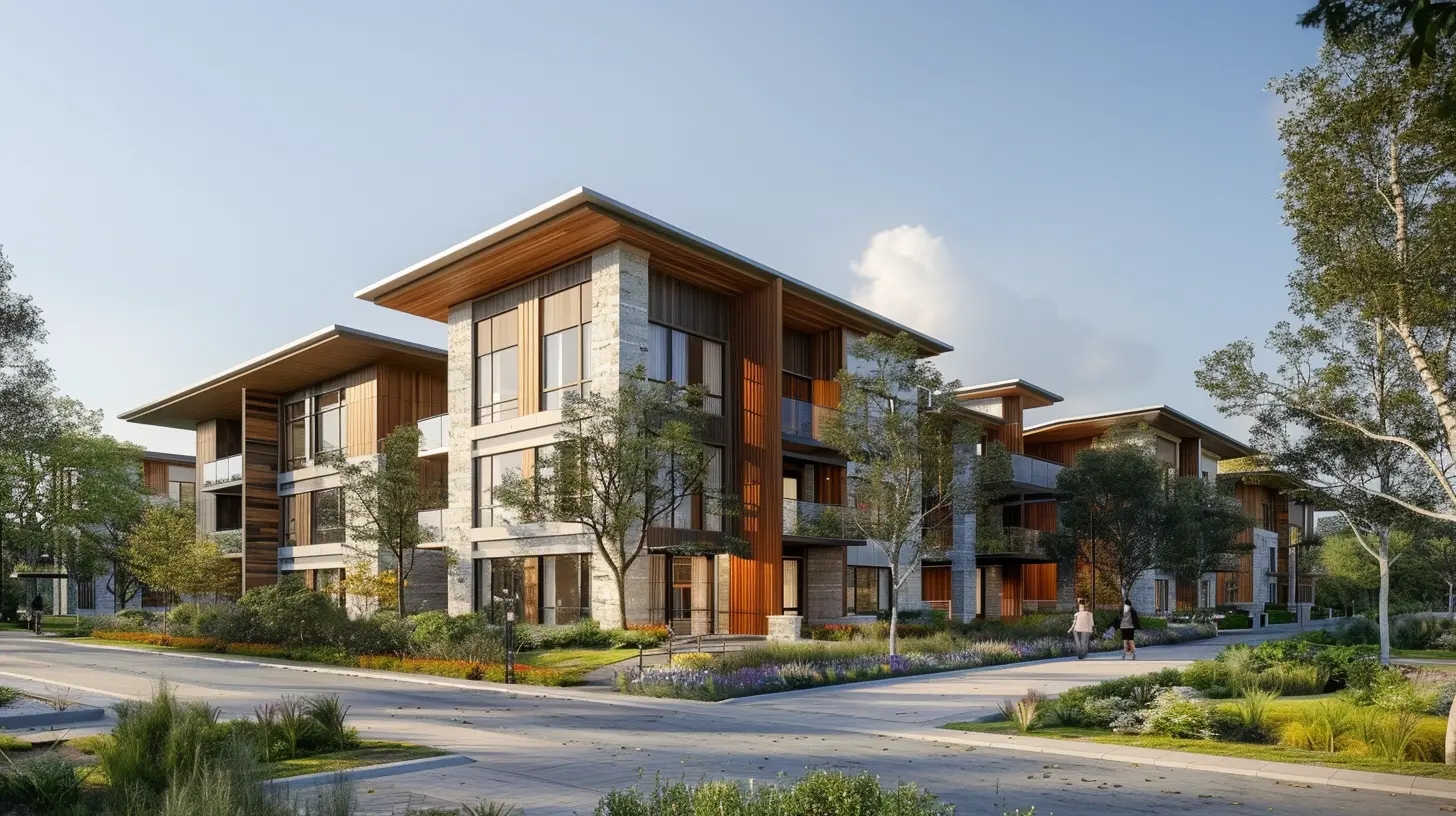
Why Upgrades Are Accelerating Right Now
Three forces are converging, and together they explain most of what you are seeing in renovation activity today.First, the math on moving has changed. When mortgage rates rose sharply from the lows of the pandemic era, millions of owners ended up holding loans far cheaper than anything available on a new purchase. Trading a low-rate mortgage for a higher one, plus paying transaction costs and moving expenses, is a hard sell when your current home still works. Staying and improving often costs less than moving, even when the improvement is substantial.
Second, inventory has been constrained in many markets. Owners who would normally sell and buy something larger have found limited choices, which pushes them toward adapting the home they already own. Adding a home office, reworking a floor plan, or finishing a basement can deliver much of what a move would have delivered, without the disruption of a sale.
Third, remote and hybrid work has permanently reshaped how homes are used. Rooms that were once formal and rarely entered now need to function. Households want dedicated work space, better acoustics, more storage, and outdoor areas that feel like real living space. This is not a temporary adjustment; it is a structural change in what a home is expected to do.
The practical takeaway: the coming wave of upgrades is being driven by necessity and utility more than by speculation. That matters, because it changes which projects pay off and which ones do not.
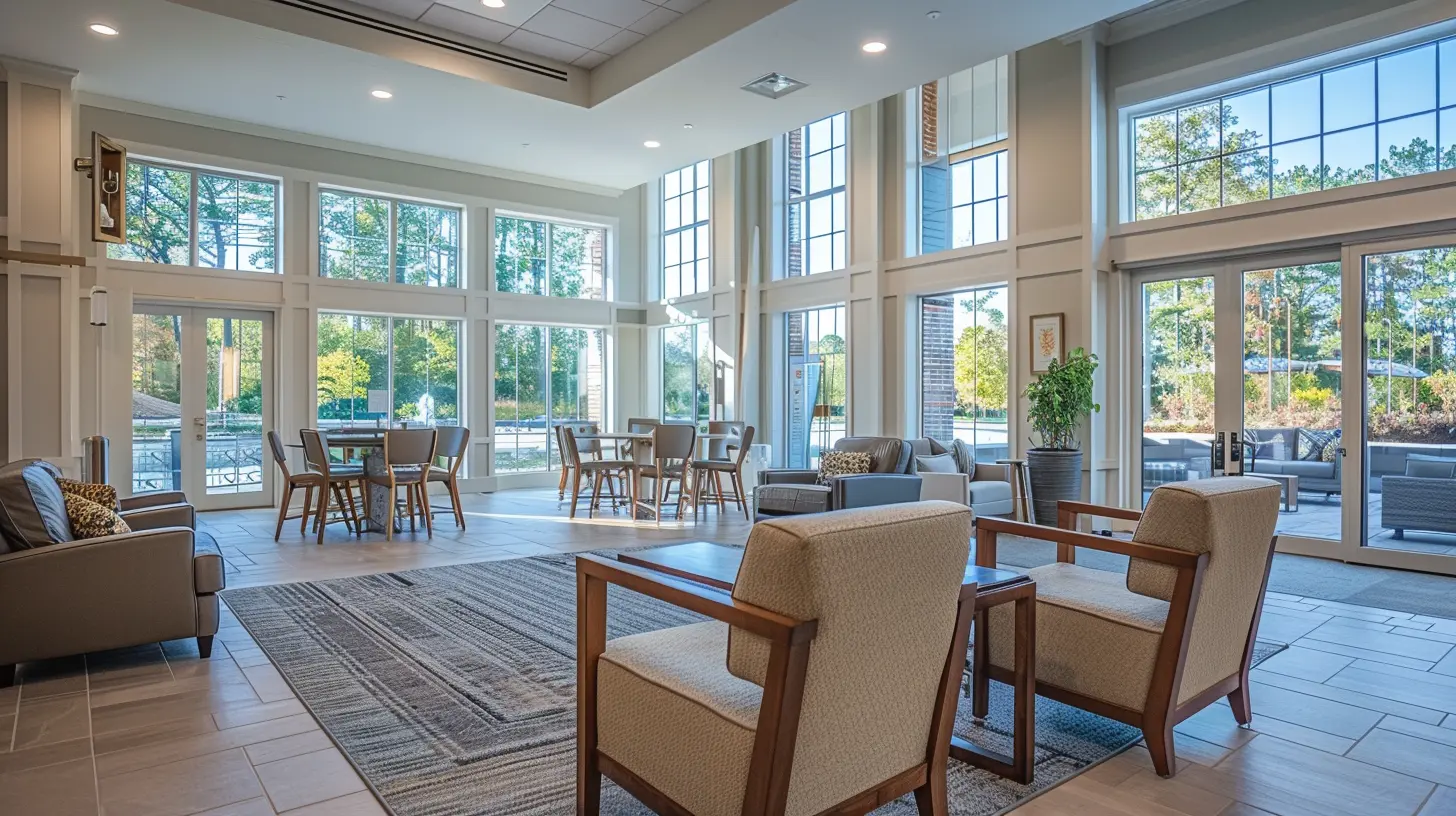
The New Priorities, Ranked by What Homeowners Actually Care About
Energy Efficiency and Resilience
Energy upgrades have moved from nice-to-have to top of mind. Homeowners are prioritizing insulation, air sealing, window replacement, heat pump systems, and, where feasible, solar. The motivation is partly cost, partly comfort, and increasingly partly resilience: people want a home that stays livable when the grid is stressed or when utility prices spike.What makes this wave different is that owners are thinking in systems rather than single products. Replacing a furnace without addressing attic insulation and air leakage, for example, often produces disappointing results. A well-sequenced approach, starting with the building envelope and then sizing equipment to the improved load, delivers far more for the money. If you are considering this path, an energy audit is almost always the right first dollar you spend. It tells you where the losses are before you start buying equipment.
A caution: efficiency upgrades have long payback periods that are sensitive to local utility rates and incentives. Run the numbers for your situation rather than assuming a headline savings figure applies to you.
Functional Workspaces and Flexible Rooms
The home office is no longer a card table in the corner. Homeowners are converting spare bedrooms, carving out nooks, and building garden studios. The best versions of these projects share a common trait: they treat the workspace as a real room with real requirements, including ventilation, lighting, sound isolation, and a door that closes.Flexibility is the other theme. Rooms designed to serve two or three purposes, such as a guest room that doubles as a study, are more valuable than single-use spaces in most households. When planning, think about how a room will be used five years from now, not just today. A room that can adapt is a room that keeps earning its keep.
Kitchens and Baths, but Smarter
Kitchen and bath remodels remain the most common major projects, but the emphasis has shifted. Homeowners are less interested in showpiece finishes and more interested in durability, storage, and workflow. That means drawers instead of deep cabinets, better task lighting, quiet ventilation, and surfaces that hold up to daily use.The smartest projects in this category focus on the bones: plumbing, electrical capacity, ventilation, and layout. Cosmetic changes are easy to do later; moving a drain line is not. If your budget is limited, spend it on what you cannot easily change afterward.
Outdoor Living as Real Living Space
Decks, patios, covered porches, and shade structures are getting more attention than ever. The logic is straightforward: outdoor space adds usable square footage at a fraction of the cost of an addition, and it improves how the whole house feels. A well-designed covered patio can function as a second living room for much of the year in many climates.The trade-off is maintenance and climate dependence. In some regions, an outdoor investment delivers strong returns in enjoyment but modest returns at resale. Know which one you are buying. If you plan to stay for years, enjoyment is a legitimate return. If you plan to sell soon, weigh the local market's appetite for outdoor features.
Aging-in-Place and Longevity Features
A quieter but significant priority is designing for the long term. Wider doorways, zero-step entries, curbless showers, better lighting, and single-level living arrangements are increasingly requested, sometimes by younger owners planning ahead and sometimes by households supporting aging parents.These features tend to be far cheaper to incorporate during a planned renovation than to retrofit later. A bathroom remodel that includes blocking in the walls for future grab bars costs very little extra now and saves significant expense and disruption later. This is one of the clearest examples of why sequencing and foresight matter so much in renovation planning.
Storage, Systems, and the Unsexy Essentials
Roofs, gutters, drainage, electrical panels, and storage are not glamorous, but they are where a large share of upgrade dollars are going. Homeowners who have watched repair costs climb are prioritizing the things that prevent expensive failures. A new roof or improved drainage is not exciting, but it protects everything else you have invested in.The best practice here is simple: fix water and structural issues before you upgrade finishes. A beautiful kitchen above a wet basement is a liability, not an asset.
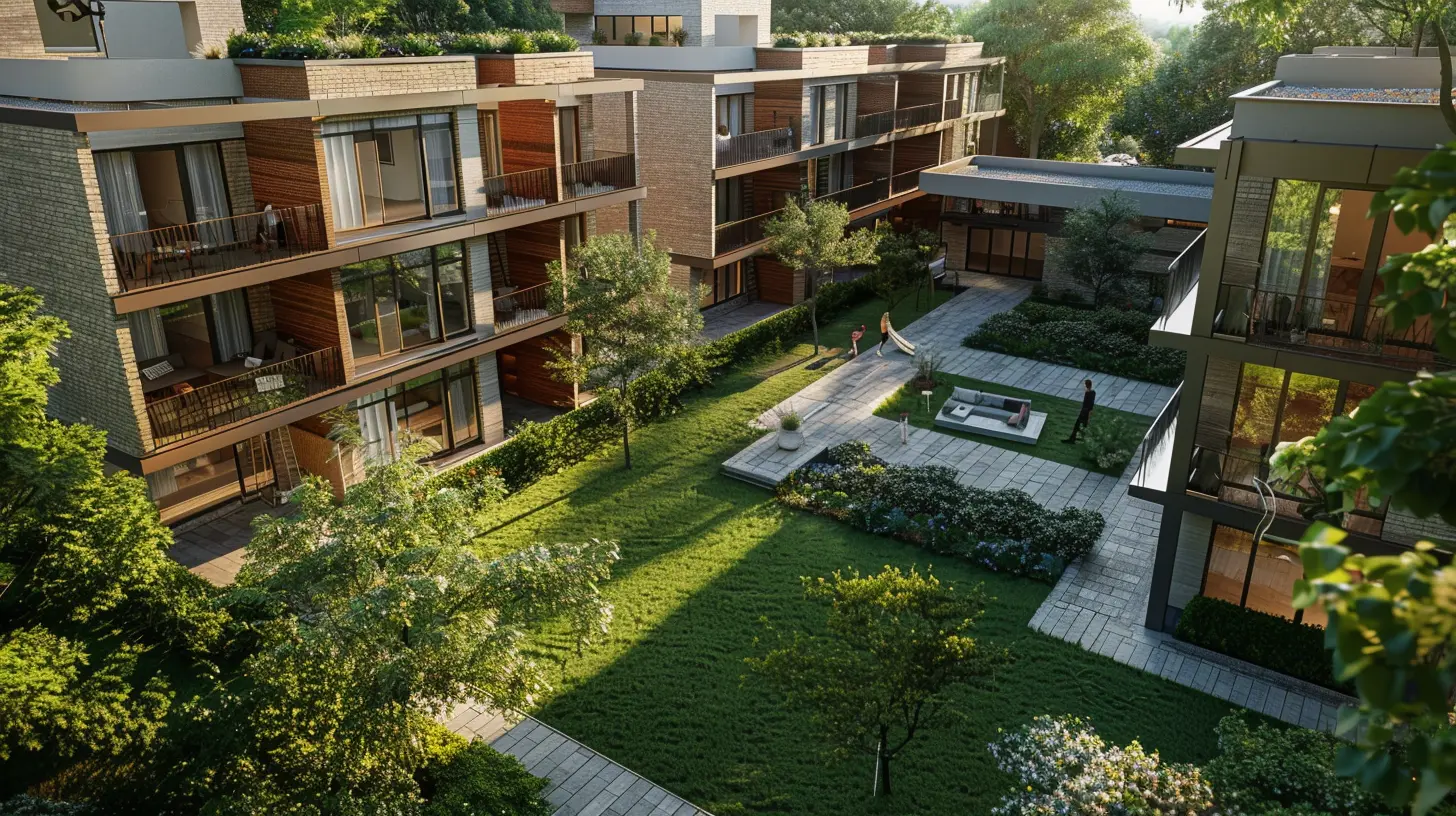
The Trade-Offs You Need to Understand Before You Build
Every upgrade involves a trade-off, and the homeowners who end up happiest are the ones who name those trade-offs early.Cost versus payback. Some upgrades return a meaningful share of their cost at resale; others return mostly enjoyment. Neither is wrong, but you should know which category you are in. Energy efficiency, functional improvements, and refreshed kitchens and baths tend to hold value well in most markets. Highly personalized features, such as specialized hobby spaces or unusual layouts, often do not. If resale is on your horizon, favor broadly appealing improvements. If you are staying for a decade or more, favor what improves your daily life.
Disruption versus speed. Comprehensive renovations deliver better results but require more time and tolerance for disruption. Phased projects are easier to live through but can cost more overall and create sequencing headaches. Decide how much disruption your household can realistically absorb before you commit to a scope.
DIY versus professional. Some tasks are genuinely suitable for a careful homeowner: painting, simple landscaping, basic shelving. Others, including electrical work, plumbing changes, structural modifications, and anything involving permits, are best handled by licensed professionals. The hidden cost of DIY in regulated work is not just safety; it is the risk of failed inspections and the expense of correcting work later. Know your limits and be honest about them.
Trend versus timeless. Trends are fine in small doses and easy to reverse. Permanent, expensive choices should lean timeless. A bold tile backsplash is a low-risk way to follow a trend; a bold structural choice is not.
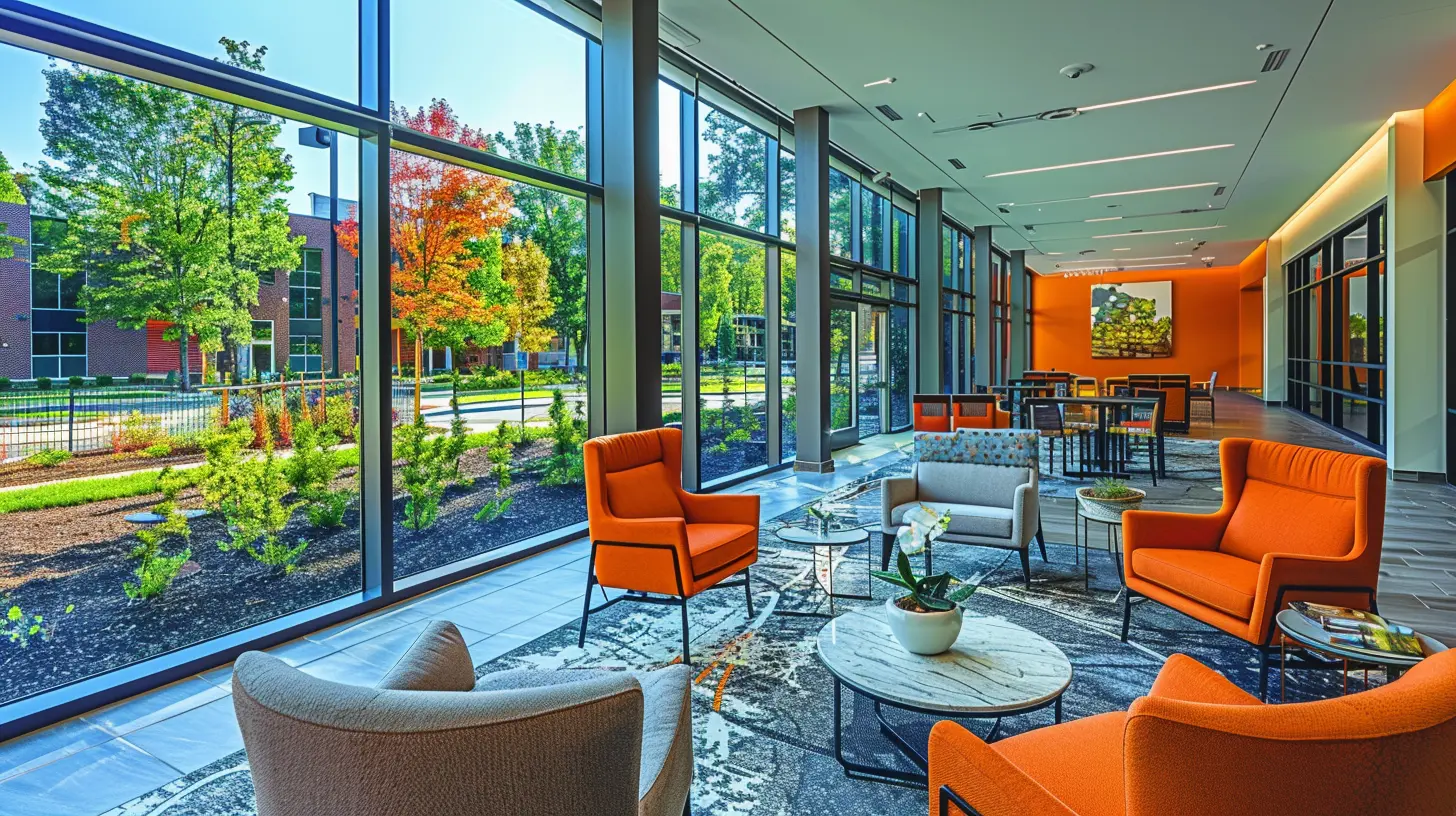
Common Mistakes That Quietly Destroy Value
The most expensive mistakes in home upgrades are rarely dramatic. They are small decisions made without enough information.Skipping the permit process. Unpermitted work can complicate a future sale, void insurance coverage in some cases, and force costly corrections. The permit process exists to protect you and the next owner. Budget for it and factor inspection timelines into your schedule.
Over-improving for the neighborhood. The most valuable home on the block rarely sells for what the owner invested. Before a major project, look at what comparable homes in your area offer. If your plan puts you far above that ceiling, you are likely building for enjoyment rather than return, which is fine as long as you know it.
Ignoring the building envelope. Upgrading finishes while ignoring insulation, ventilation, and moisture control is like painting a wall with a leak behind it. Address the shell first. It protects everything else.
Choosing contractors on price alone. The lowest bid is often low for a reason: skipped steps, cheap materials, or a schedule that will slip. Get multiple bids, check references, verify licensing and insurance, and read the contract carefully. A clear scope and payment schedule protects both sides.
Designing without a maintenance plan. Every material and system has a maintenance cost. A large deck, a complex roofline, or a high-maintenance landscape all demand ongoing time and money. Choose features you are willing to maintain.
Forgetting the boring infrastructure. Electrical capacity, plumbing condition, and HVAC sizing are easy to overlook when you are excited about finishes. But these systems determine what is possible. Upgrading a kitchen without enough electrical capacity, for example, leads to constant tripped breakers and expensive rework.
Best Practices for Planning Upgrades That Hold Up
Start with an assessment, not a wish list. Walk your home with a critical eye, or bring in an inspector or contractor for an honest evaluation. Identify what is failing, what is outdated, and what is merely unfashionable. Fix the first two categories before you spend on the third.Sequence projects logically. Envelope and systems first, then layout, then finishes. This order prevents rework and usually saves money. A renovation plan that ignores sequencing tends to pay twice for the same wall.
Set a realistic budget with a contingency. Renovation budgets routinely run over, often because of hidden conditions discovered once walls are open. A contingency of 10 to 20 percent is standard practice for a reason. Treat it as part of the budget, not as a failure.
Think in terms of use, not resale alone. The best upgrades improve how you live and also hold value reasonably well. When those two goals conflict, be clear about which one you are choosing. A home is both an asset and a place to live; pretending otherwise leads to bad decisions in both directions.
Document everything. Keep permits, receipts, warranty information, and before-and-after photos. This documentation is valuable at resale and useful for insurance and future projects.
Plan for the long term. Ask how each decision will look in ten years. Will the material age well? Will the layout still work if your household changes? Will the system be serviceable? Long-term thinking is the single best defense against expensive regret.
What This Means for You
The coming wave of upgrades is not about keeping up with trends or chasing the highest possible resale value. It is about making homes work better for the people who live in them, while protecting the investment those homes represent. The homeowners who will come out ahead are the ones who plan carefully, sequence wisely, address the fundamentals before the finishes, and stay honest about the trade-offs between enjoyment and return.If you are planning upgrades this year, start with an honest assessment of what your home needs, set a budget with room for surprises, and prioritize the improvements that will matter most to your daily life and to the long-term health of the house. The wave is coming. The best time to get ahead of it is before the first contractor arrives.
all images in this post were generated using AI tools
Category:
Housing Market TrendsAuthor:

Lydia Hodge

