The Importance of Community Engagement in Urban Developments
28 January 2026
When it comes to designing and building thriving urban developments, there’s one critical ingredient that’s often overlooked: community engagement. Yep, it’s not just about shiny skyscrapers, sprawling parks, or stylish apartment complexes. It’s the people who live, work, and play in these spaces that truly bring them to life. And when you engage the community in the development process, you create not just a place—but a home, a neighborhood, and a legacy that lasts.
So, why is community engagement such a big deal? Let’s break it down and see how involving locals in urban planning can lead to smarter, more sustainable, and just plain better developments.
What Exactly is Community Engagement in Urban Planning?
Let’s not overcomplicate it. Community engagement is basically the process of involving residents, stakeholders, and local organizations in shaping the spaces where they live. Think of it as giving them a seat at the table—listening to their concerns, ideas, and dreams for how their streets, parks, and buildings should look and feel.It’s not just about ticking a box or hosting a couple of token community meetings. True engagement means actively collaborating with the people who will actually use the space. Why? Because nobody knows their neighborhood better than the folks who live there. 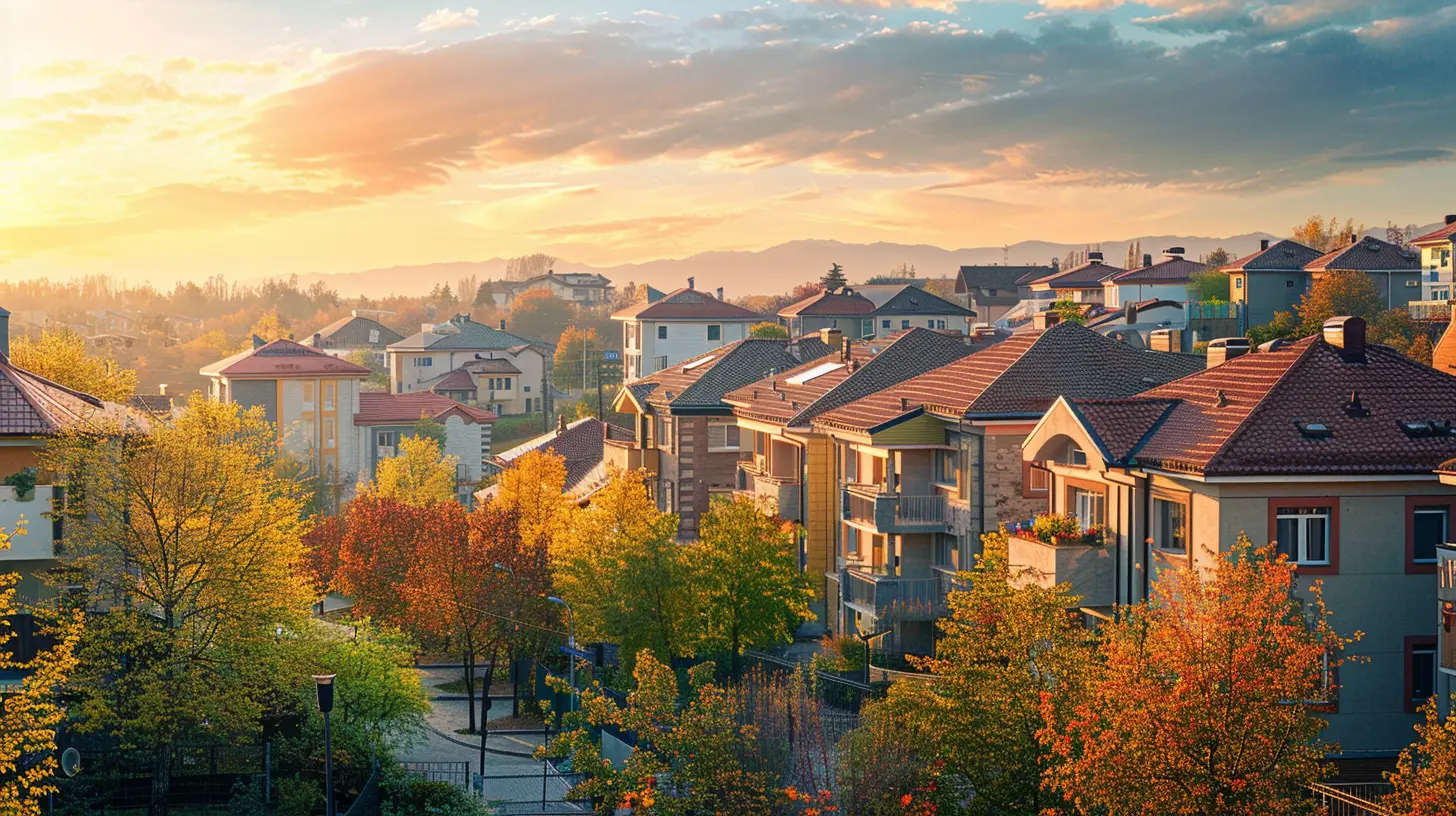
Why Is It So Important?
1. Creates Developments That Actually Work
Let’s be real—designers and developers often have a vision that looks great on paper but doesn’t quite work in real life. A public square might look stunning in renderings, but without input from the community, it could end up being, well… useless.When you talk to locals, you uncover insights you’d never get otherwise. Maybe that square needs more shade because summers are brutal. Or perhaps families want a play area because there’s nowhere nearby for kids to hang out. When developers prioritize community feedback, the result is a space that genuinely meets the needs of its users.
2. Builds Trust and Reduces Conflict
Let’s face it—urban developments can sometimes feel like they’re being forced onto communities. This can breed resentment, protests, or even legal battles (yikes). But when people feel heard and included, they’re far more likely to support a project.Imagine you’re at a restaurant. If the chef comes over and asks for your opinion on the menu, you’re going to feel valued, right? The same goes for urban planning. When the community is brought into the fold early on, there’s less drama and more collaboration.
3. Fosters a Sense of Ownership
When people have a say in shaping their spaces, they’re more emotionally invested in keeping them vibrant and well-maintained. It’s like being a proud parent of a new baby—you want to see it thrive.Community engagement empowers residents to feel like they’re not just tenants, but active participants in the success of their neighborhood. It’s their park, their corner store, their streets. And when people feel that connection, they tend to take better care of their surroundings.
4. Encourages Diversity and Inclusivity
One size does not fit all. Different communities have different needs, and if developers don’t engage a wide variety of voices, they risk creating spaces that exclude certain groups.By reaching out to diverse populations—whether it’s families, seniors, young professionals, or marginalized communities—urban planners can design developments that work for everyone. It’s about making sure every voice is heard and every person feels welcome.
5. Supports Long-Term Sustainability
True sustainability isn’t just about planting a few trees or slapping solar panels on a building (though that helps). It’s about creating spaces that grow and adapt with their communities over time.Through engagement, urban planners can anticipate not just current needs but future challenges. What happens when the population grows? How will these spaces evolve over decades? Answering these questions requires input from the people who will live with those changes. 
Real-Life Examples of Successful Community Engagement
Let’s not just talk theory—let’s look at some real-life wins:- The High Line in New York City: This world-famous park was once an abandoned railroad track. Community members rallied to save it, and their input shaped it into the beloved urban oasis it is today.
- Chinatown Park in Boston: Local advocacy ensured this park reflected the culture and identity of the Chinese-American community. It wasn’t just a generic park—it became a cultural landmark.
- Curitiba, Brazil: In the 1970s, this city’s government actively sought citizen feedback to design a public transportation system that’s become a global model for urban sustainability.
These successes didn’t happen by accident. They were the result of communities and planners working hand in hand to create something extraordinary. 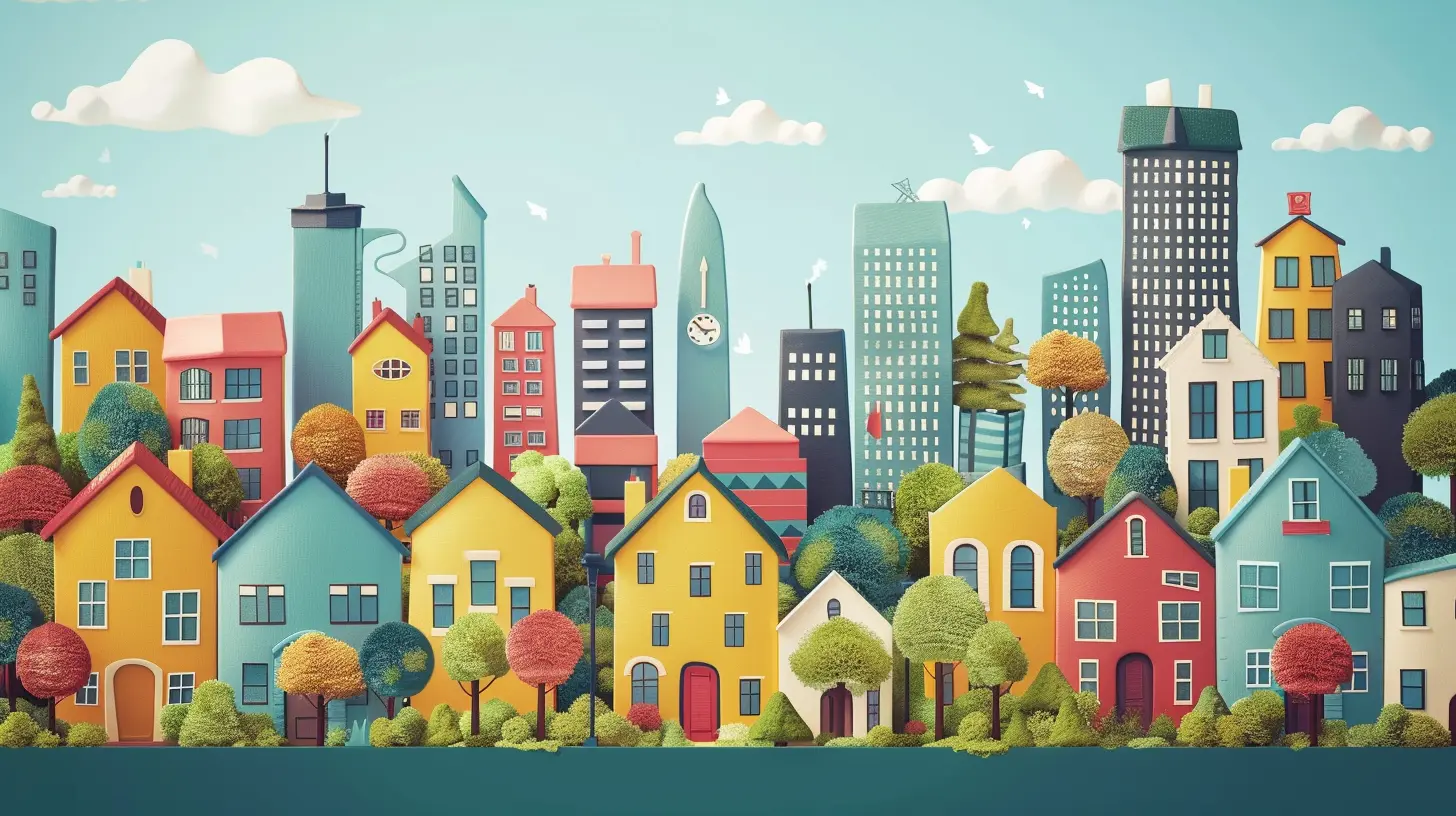
How Can Developers and Planners Get It Right?
There’s no magic formula, but a few best practices can make all the difference:1. Start Early
Don’t wait until the wrecking balls show up to involve the community. Engage locals in the planning stages so they can shape the vision from the get-go.2. Be Transparent
People hate feeling like they’re being left in the dark. Be upfront about your goals, challenges, and limitations. Transparency builds trust.3. Use Multiple Channels
Not everyone will show up for a community meeting at 6 PM on a Wednesday. Use multiple ways to gather input, whether it’s online surveys, social media polls, or even casual pop-up booths at local events.4. Employ Cultural Sensitivity
Every community has its own identity. Take the time to understand the culture, values, and history of the area you’re developing. This isn’t just respectful—it’s smart.5. Commit to Listening
This one’s a no-brainer. Don’t just nod politely and then ignore feedback. Show the community you’re truly listening by incorporating their ideas into the final design.The Ripple Effect of Community Engagement
Here’s the kicker: when you do community engagement right, the benefits ripple far beyond the immediate project. You’re not just building a development—you’re building trust, relationships, and a sense of shared purpose.Imagine a neighborhood where people know each other’s names, where kids feel safe playing outside, and where businesses flourish because the space is designed with care. That’s the power of community-driven urban development.
Wrapping It Up
At the end of the day, community engagement isn’t just a feel-good gesture—it’s a must-have for any successful urban development. It leads to spaces that are functional, inclusive, and beloved by those who use them. When developers and planners work alongside residents, everyone wins.So, the next time you walk through a bustling plaza or picnic in a perfectly shaded park, remember: the magic probably started with a conversation between planners and the people who call that place home.
all images in this post were generated using AI tools
Category:
Urban LivingAuthor:

Lydia Hodge
Discussion
rate this article
2 comments
Monique McHugh
Engagement fosters better urban outcomes.
February 7, 2026 at 5:28 AM
Lydia Hodge
Absolutely! Engaging the community leads to more relevant solutions and enhances the overall success of urban projects.
Lennox Fisher
Community engagement is essential for successful urban developments. It fosters trust, ensures that local needs are met, and creates vibrant spaces that residents are proud to call home. Collaboration is key!
January 28, 2026 at 1:49 PM
Lydia Hodge
Thank you for your insightful comment! I completely agree that community engagement is vital for creating successful and vibrant urban spaces. Collaboration truly makes a difference!