The Role of Public Art in Defining Urban Neighborhoods
24 January 2026
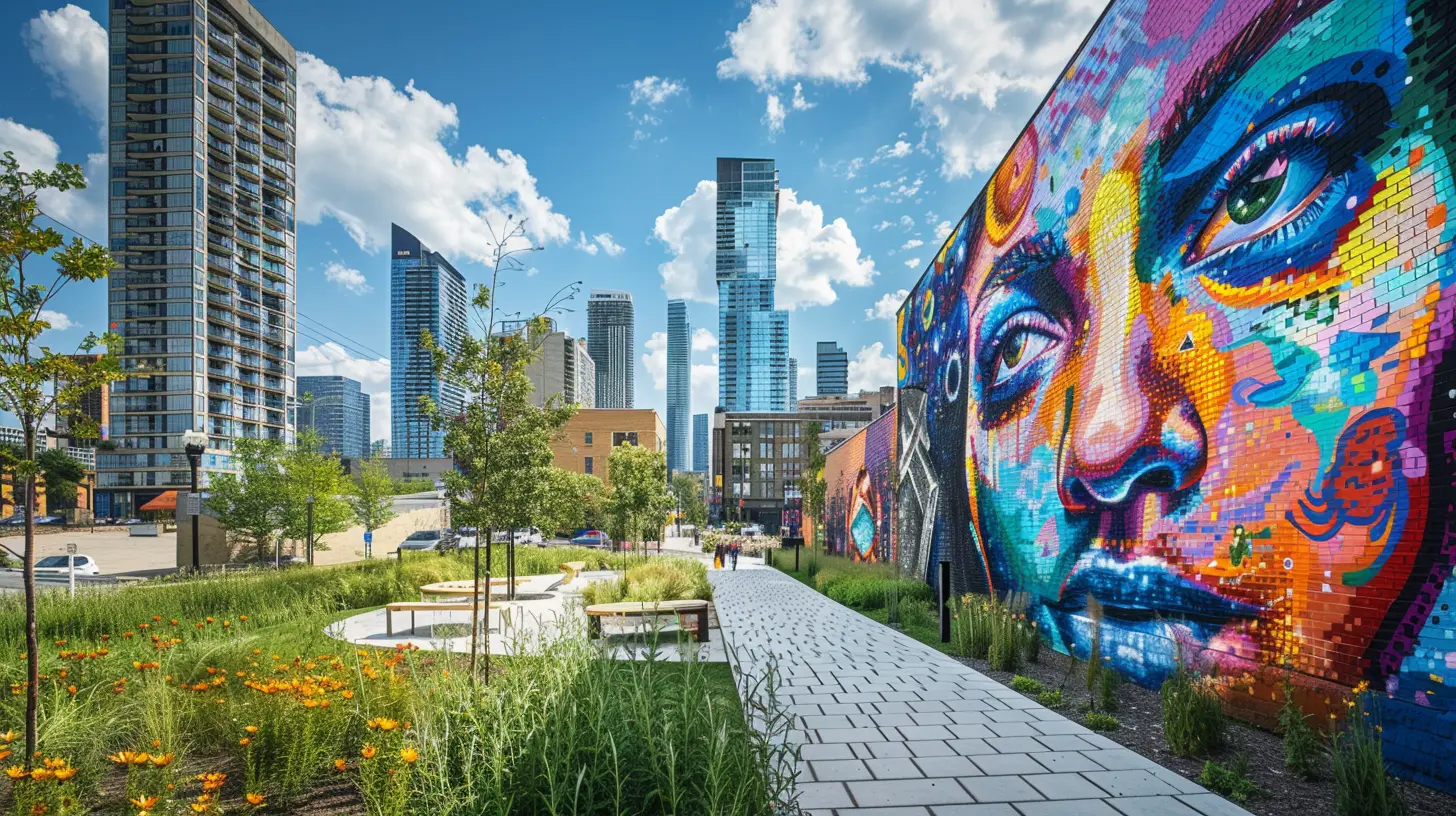
Urban neighborhoods are more than just streets and buildings—they're living, breathing communities with their own unique personalities. And if there's one thing that can instantly shape the vibe of a neighborhood, it's public art. From towering murals to quirky sculptures, public art plays a major role in defining the identity of a place, sparking conversations, and even boosting property values.
But what exactly makes public art so powerful? And how does it transform urban spaces from just another area on the map into a must-visit destination? Let's dive in.
Public Art: More Than Just Aesthetic Appeal
Sure, public art makes a neighborhood look good—but its impact goes way beyond aesthetics. It tells stories, preserves history, and gives a voice to the community. Think of public art as the ultimate neighborhood storyteller, speaking volumes without saying a word.1. Strengthening Community Identity
Ever walked through a neighborhood and felt an instant sense of its culture? That’s the power of public art. Murals, mosaics, and sculptures often reflect the heritage, struggles, and triumphs of the people who live there. They celebrate local legends, pay tribute to historical events, or even serve as a form of protest.Take the iconic murals in cities like Philadelphia or Los Angeles. These works aren’t just stunning—they’re a reflection of the community’s identity, telling stories about resilience, diversity, and collective spirit.
2. Creating Landmark Destinations
Public art has the incredible ability to turn ordinary spots into iconic destinations. A single eye-catching mural or sculpture can draw crowds, encouraging people to stop, take pictures, and spread the word on social media.Just think of the famous "I ❤️ NY" or "Greetings from Austin" murals—these pieces have turned into must-visit spots, attracting both tourists and locals. And when people flock to these installations, they also frequent nearby businesses, creating a ripple effect of economic benefits.
3. Boosting Property Values
Believe it or not, public art can actually make real estate more valuable. Neighborhoods with vibrant public art scenes tend to attract more visitors, residents, and investors. Why? Because art creates a sense of place and belonging, making the area more desirable.Studies have shown that properties near public art installations often see an increase in value over time. When people see a thriving arts scene, they associate it with culture, creativity, and a higher quality of life—factors that make an area highly livable.
The Social Impact of Public Art
Public art isn't just about beautifying spaces—it also fosters connections between people. It sparks conversations, encourages collaboration, and even helps bridge cultural divides.4. Encouraging Social Interaction
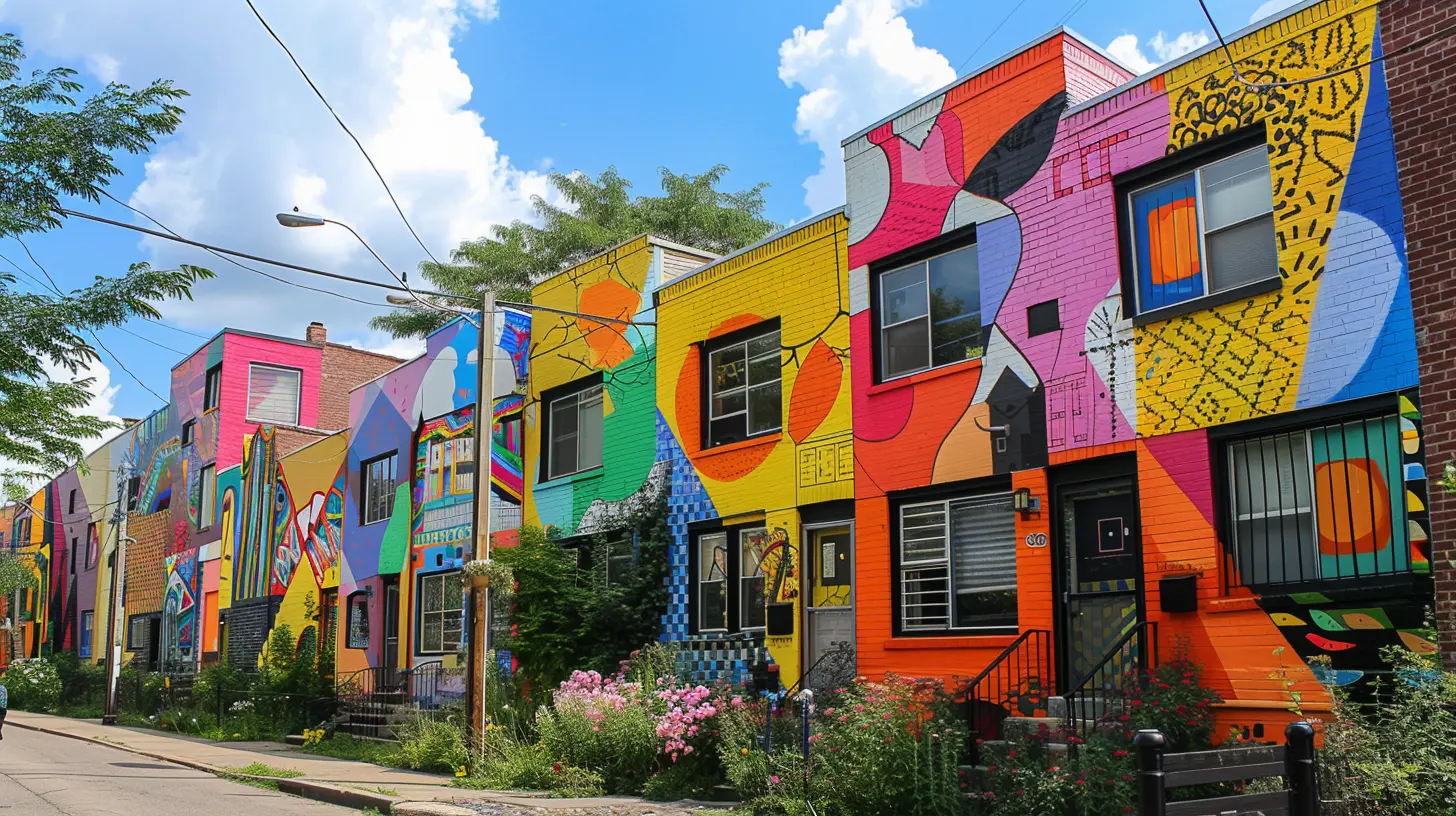
Unlike art in galleries, public art is accessible to everyone. You don’t need to buy a ticket or dress a certain way to appreciate it. This inclusivity brings people from all walks of life together, sparking conversations and shared experiences.A giant mural on a building? It's not just a painting—it's a conversation starter. A thought-provoking sculpture in the middle of a plaza? It invites discussion, interpretation, and engagement. Public art creates moments where strangers pause, reflect, and even chat with one another, strengthening social bonds.
5. Inspiring Creativity and Expression
Seeing art in everyday spaces can be incredibly inspiring. It encourages local artists to unleash their creativity and express their ideas in ways that resonate with the community. It also gets everyday people thinking creatively, making them feel like they’re part of something bigger.And let’s not forget the impact on the younger generation. A neighborhood filled with murals, sculptures, and installations can inspire kids and teens to explore their own artistic talents, shaping the next wave of local creatives.
Public Art as a Tool for Revitalization
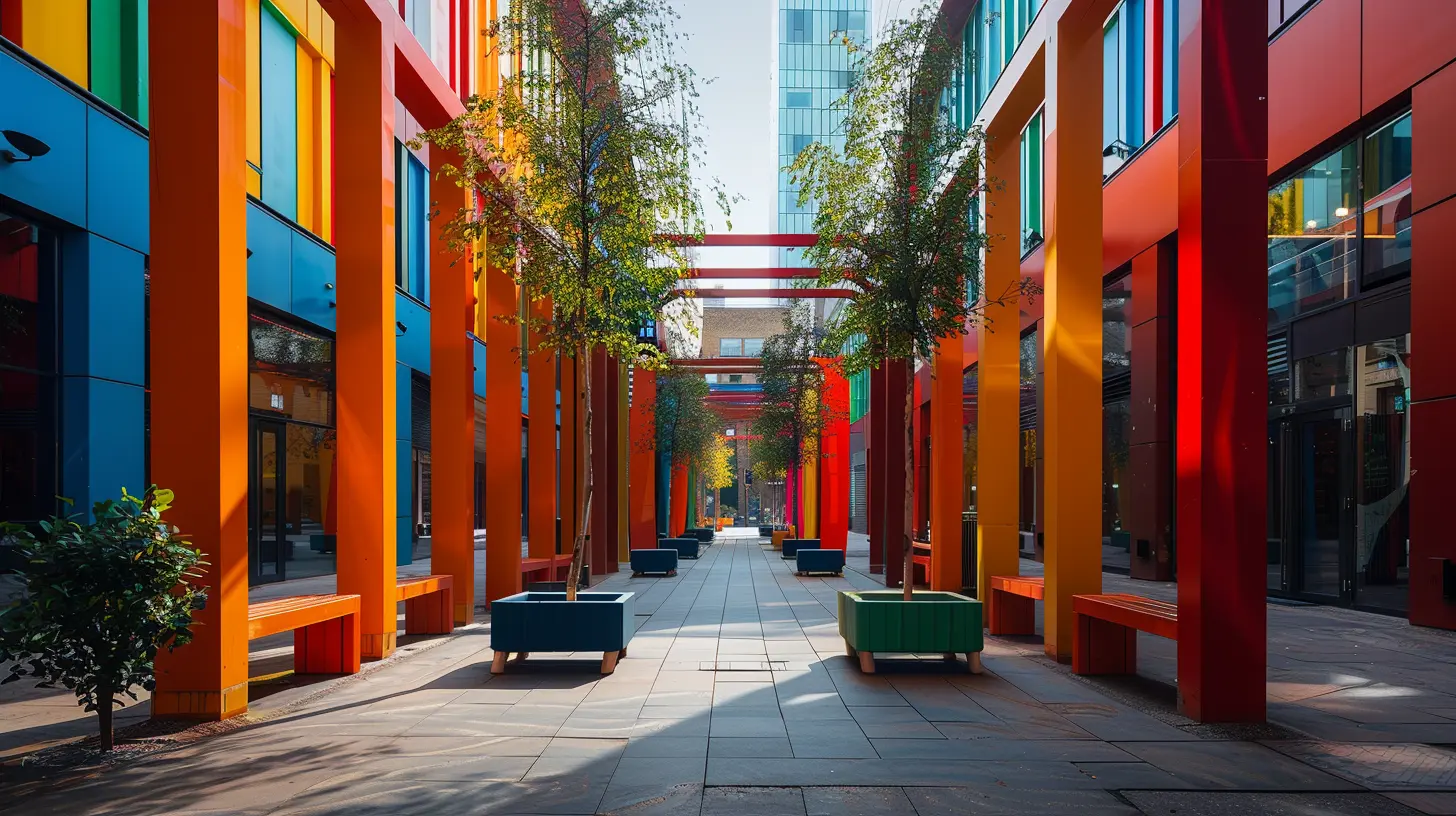
Struggling neighborhoods have been completely transformed thanks to public art. When done right, it can breathe new life into neglected areas, attracting businesses, visitors, and investment.6. Transforming Neglected Spaces
Abandoned buildings, empty lots, and rundown streets? Public art has the power to flip the script. Instead of seeing decay, people start seeing potential. Murals covering old buildings, colorful crosswalks, and interactive sculptures can turn what was once an overlooked space into a lively focal point.Look at neighborhoods like Wynwood in Miami. Once an industrial area filled with warehouses, it’s now an art lover’s paradise, thanks to its world-famous street murals. The transformation has drawn businesses, tourists, and real estate investors, proving that art can be a catalyst for urban renewal.
7. Fostering a Sense of Ownership
When local artists and residents have a hand in creating public art, it strengthens their connection to the neighborhood. They feel a sense of pride and ownership, which in turn leads to greater care for the community.This pride isn’t just symbolic—it can result in real changes like reduced vandalism and crime. When people take pride in their surroundings, they’re more likely to protect and maintain them.
Challenges and Controversies in Public Art
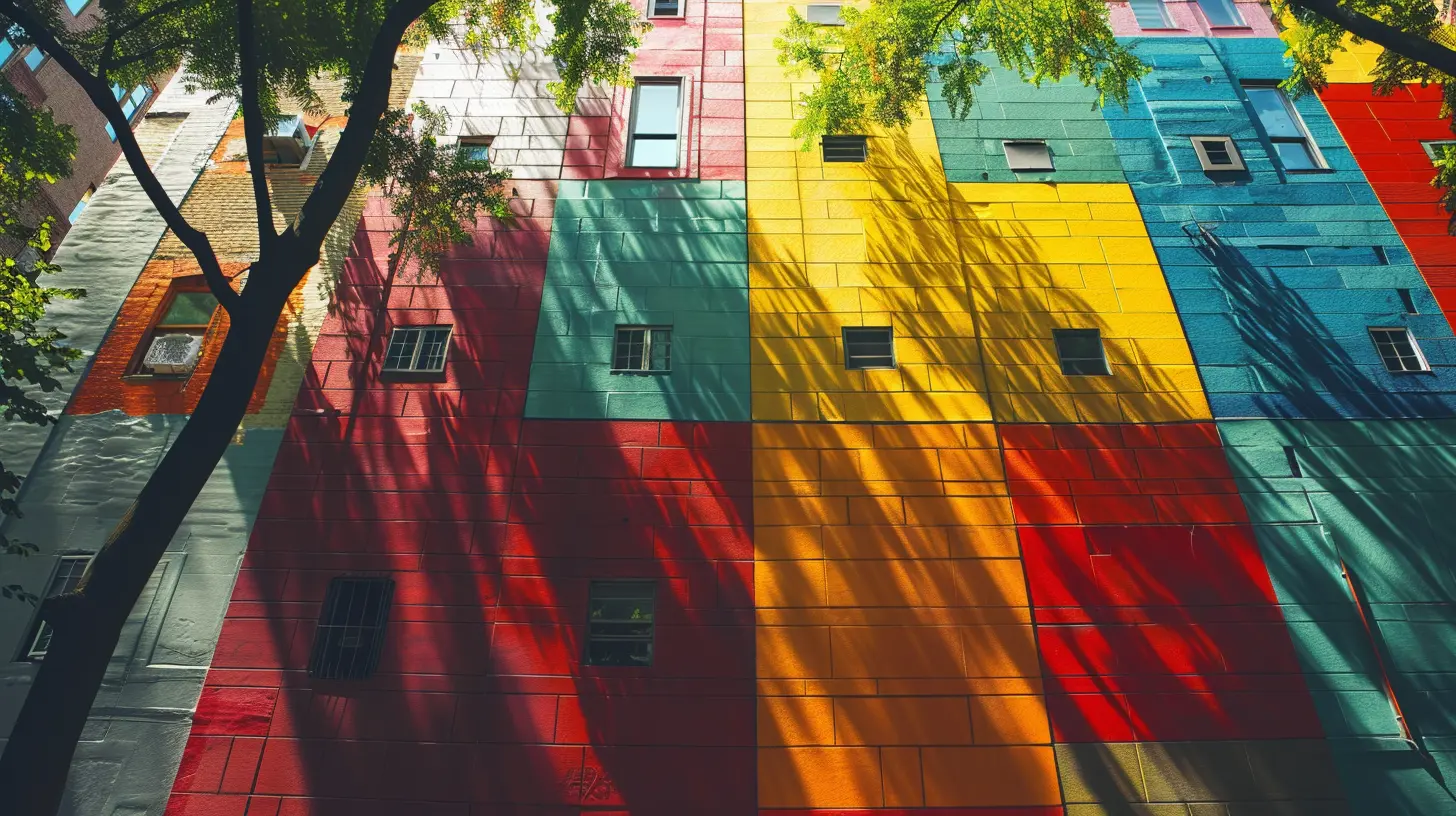
Of course, not all public art is met with praise. Sometimes, it stirs controversy, raises questions, or even faces opposition from residents or city officials.8. Balancing Artistic Freedom with Community Preferences
One of the biggest challenges is finding the balance between artistic freedom and community approval. Not every artwork resonates with everyone, and sometimes, what one person finds inspiring, another might find offensive.City planners and artists often have to navigate these differing opinions, ensuring that public art reflects the community's values while maintaining creative expression.
9. Funding and Maintenance
Creating public art is one thing—maintaining it is another. Without proper funding, murals fade, sculptures deteriorate, and installations lose their charm. Cities and local organizations need to allocate resources for upkeep, ensuring that these artistic landmarks remain vibrant for years to come.The Future of Public Art in Urban Neighborhoods
As cities continue to grow and evolve, so does public art. The future looks exciting, with advancements in technology and sustainability shaping the next wave of urban art.10. Interactive and Digital Art Installations
Gone are the days when public art was limited to paint and concrete. With augmented reality (AR), LED displays, and projection mapping, public art is becoming more dynamic and interactive. Imagine a mural that comes to life when viewed through a smartphone or a digital sculpture that changes colors based on the weather. The possibilities are endless!11. Sustainable and Eco-Friendly Art
With sustainability taking center stage, more artists are incorporating recycled materials, solar-powered installations, and eco-friendly paints into their projects. This not only makes public art visually stunning but also environmentally responsible.
Conclusion
Public art isn't just background decor for urban neighborhoods—it's a powerful force that shapes identity, fosters community, and drives economic growth. It turns ordinary places into cultural landmarks, sparks creativity, and even influences real estate values.So, the next time you walk past a mural or a sculpture, take a moment to appreciate it. Because chances are, it’s doing more for the neighborhood than meets the eye.
all images in this post were generated using AI tools
Category:
Urban LivingAuthor:
Lydia Hodge
Discussion
rate this article
2 comments
Jade Lee
Loved this article! Public art truly transforms neighborhoods, adding character and fostering community. It’s amazing how creativity can shape our urban spaces for the better!
February 5, 2026 at 5:27 AM
Lydia Hodge
Thank you! I'm glad you enjoyed the article. Public art indeed plays a vital role in enriching our communities and enhancing urban environments!
Brigitte Taylor
Love how public art transforms our communities!
January 24, 2026 at 5:26 AM
Lydia Hodge
Thank you! Public art truly enriches our communities and fosters a sense of identity and belonging.