The Role of the HOA in Community Safety and Security
30 June 2026
Let's be honest. When most people hear “HOA,” they immediately think of neighborhood rules, monthly dues, and maybe a few grumbles about the color of someone’s mailbox. But here’s the thing—Homeowners Associations (HOAs) are a lot more than just rule enforcers. One of the most valuable (and often underappreciated) roles they play is in keeping our neighborhoods safe and secure.
Yeah, you heard that right. Your HOA might actually be your community’s superhero, quietly working behind the scenes to make sure everything is running smoothly and securely.
In this article, we're going to unpack exactly how the HOA helps protect your home, your family, and your entire neighborhood. We’ll highlight the ways they support community safety, how they tackle common security issues, and why having an active HOA might be one of your best defenses against crime and chaos.
What Is an HOA, Really?
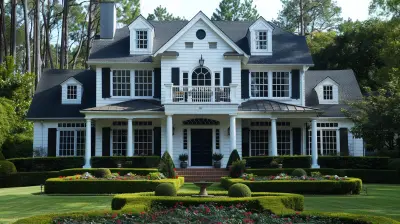
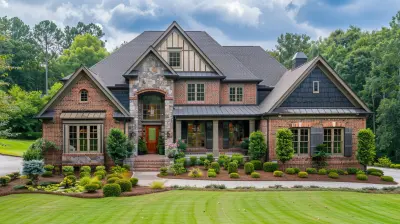
Let’s start with the basics. An HOA, short for Homeowners Association, is an organization that manages a community—usually a neighborhood, condo complex, or gated community. It exists to keep the area looking good, functioning well, and yes—safe.Every homeowner in the community is usually a member, and you pay dues to support the HOA’s various activities. That may seem like a drag, but in exchange, your neighborhood gets some pretty serious perks, especially when it comes to safety.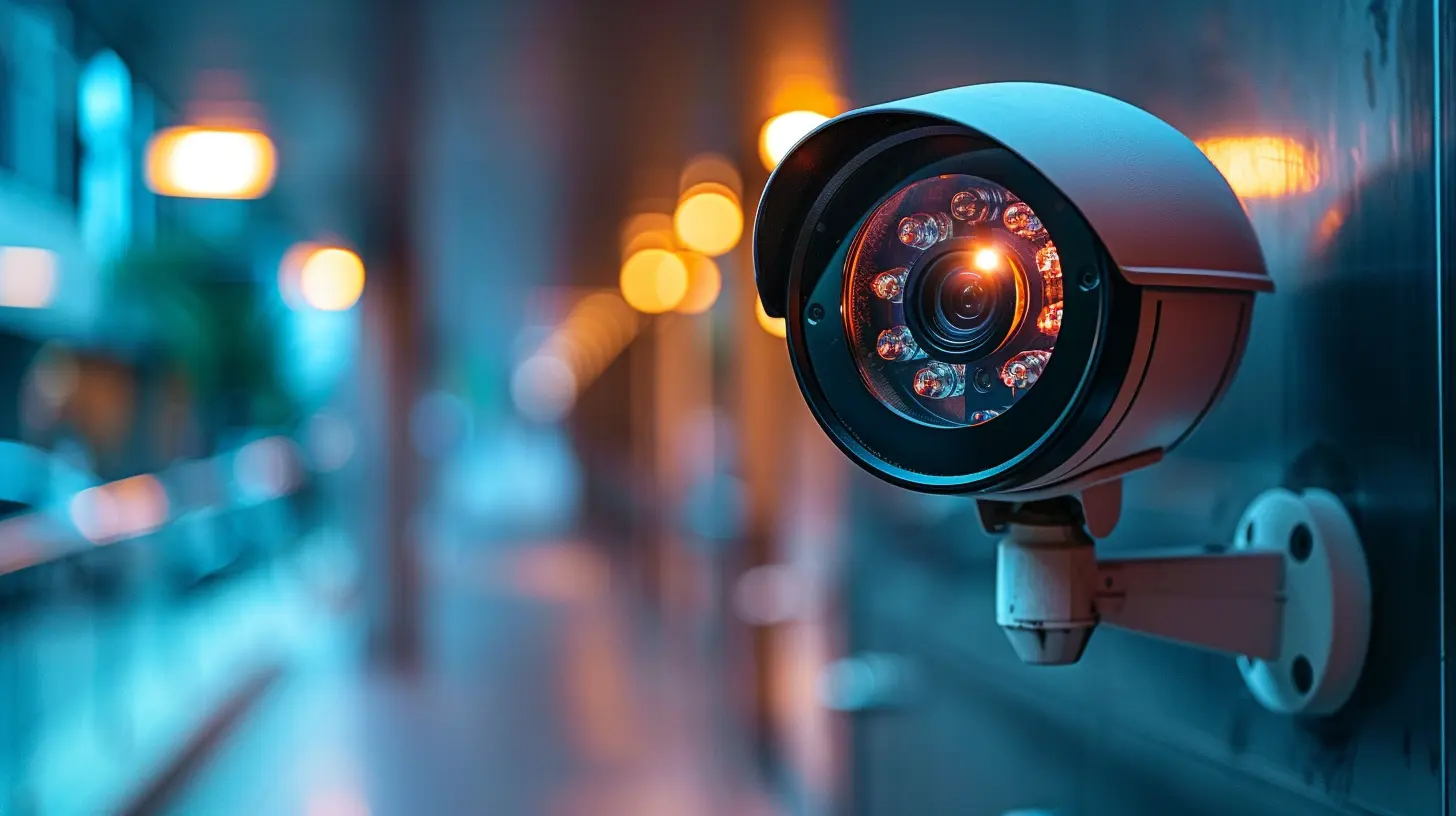
Why Community Safety Is a Big Deal
Safety isn’t just about preventing break-ins or stopping speeding cars. It’s about peace of mind. It’s about letting your kids play outside without worry. It’s about feeling good when you take a walk at night. And it’s about fostering a sense of trust among neighbors.Let’s face it—when people feel safe, they build stronger communities. They engage more, care more, and watch out for each other. The HOA helps create an environment where that’s possible.
How the HOA Keeps the Community Safe
You might be wondering, “Okay, but what does the HOA actually do to make us safer?” Fair question. Let’s break it down.1. Establishing and Enforcing Safety Rules
First off, the HOA sets the tone. It creates community guidelines that prioritize safety. These could include:- Speed limits within the neighborhood
- Pet leash laws
- Firework restrictions
- Parking regulations
- Rules around outdoor lighting for visibility
Sure, some of these may sound small, but when you add them up, they create a secure, orderly environment that deters crime and accidents.
Think of it like this: If the community is the body, then the rules are the immune system—quietly keeping everything in balance.
2. Hiring Private Security or Patrol Services
Now we’re getting into the serious stuff. Many HOAs invest in professional security services. That could mean:- Security guards stationed at entrances
- Roving patrols that keep an eye on things
- Surveillance camera monitoring
These services act as both prevention and response. They deter criminals (who hate attention, by the way) and provide quick help if something shady goes down.
And don’t forget—many HOAs partner with local law enforcement too, which means better communication and quicker reaction times when needed.
3. Maintaining Well-Lit Common Areas
Ever noticed how crime seems to happen more often in dimly lit areas? That’s no coincidence. Darkness hides bad behavior. Your HOA knows that lighting is one of the simplest yet most effective tools against crime.So they make sure:
- Streets are well-lit
- Parks and walking paths have lighting
- Parking lots and shared spaces aren’t left in the dark
Because let’s be real—nobody likes walking their dog at night through a pitch-black alleyway.
4. Installing and Maintaining Surveillance Systems
Smile, you’re on camera! (Well, maybe.)More and more HOAs are installing surveillance cameras in common areas like entrances, clubhouses, and parking areas. Some go high-tech with motion-detection systems and plate readers at gates.
Are these measures 100% foolproof? No, of course not. But they’re a strong deterrent. And if something does go wrong, the footage can be a game-changer.
5. Neighborhood Watch Programs
This one’s big: Community involvement.Many HOAs organize neighborhood watch programs—a group of residents who actively keep an eye out for suspicious activity and support each other. It’s old-school, but it works.
It’s like having a bunch of extra sets of eyes on your street. And they’re not just watching, they’re also reporting to the HOA or even police when needed.
Better yet? It builds community. Neighbors that know each other are way more likely to speak up when something seems off.
Emergency Preparedness: Yes, That’s the HOA Too
The role of the HOA doesn't end with day-to-day security. They’re also there when stuff really hits the fan.Think wildfires, floods, hurricanes, or even a power outage—your HOA may have emergency protocols in place to protect people and property.
They might:
- Share evacuation plans
- Arrange emergency shelter info
- Coordinate clean-up crews
- Communicate faster than overwhelmed city services
Got a community newsletter or email alert system? Thank your HOA. That’s how you stay in the loop when emergencies happen.
Safety Through Community Design
We often forget that the design of a community can impact safety—and guess who often has a hand in planning or maintaining that design? Yep, your HOA.Examples include:
- Gated entries to limit who comes in
- Fences or walls for added privacy
- Street layout that slows down traffic
- Community spaces where people naturally gather and watch out for each other
A well-designed neighborhood is like a well-fitted suit—it just works better. People feel comfortable, relaxed, and, yes, safer.
Benefits of a Safe Community (And Why You Should Care)
Let’s zoom out for a second. Why should you even care about all this stuff?Here’s what a safer community brings:
- Higher property values
- Fewer crimes and break-ins
- Stronger neighbor relationships
- More community involvement
- Lower stress levels for everyone
In short, safety equals stability. And that kind of peace of mind? Totally priceless.
What You Can Do to Help
Now, before you go thinking it’s all on the HOA to keep your neighborhood safe—you’ve got some skin in the game too.Here’s how homeowners can pitch in:
- Attend HOA meetings and stay informed
- Join or start a neighborhood watch group
- Report suspicious activity immediately
- Keep your own property well-lit and secure
- Follow community rules (they exist for a reason)
Remember, your HOA is a partner—not a babysitter. When everyone chips in, the whole community wins.
When HOA and Homeowners Work Together
The perfect formula for a secure neighborhood? A proactive HOA + an engaged community = safety, comfort, and harmony.When both sides communicate, share ideas, and support initiatives, it’s like a well-oiled machine. Everyone benefits, and the neighborhood becomes a place where people don’t just live—they thrive.
Final Thoughts
So next time you hear someone grumble about the HOA, remind them of this: That community newsletter, that streetlight on your corner, that security camera by the gate—that’s your HOA looking out for you.Sure, you might not always agree with every policy or fee. But when it comes to keeping your home and family safe? The HOA plays a key role that really can’t be overstated.
They aren’t just rule-makers—they’re protectors, planners, and partners in building a better, safer place to live.
And hey, who wouldn’t want that?
all images in this post were generated using AI tools
Category:
Hoa GuidelinesAuthor:

Lydia Hodge
Discussion
rate this article
2 comments
Beth McVicker
Great insights on how HOAs can enhance community safety! It's reassuring to see how these organizations foster a sense of security and togetherness among residents. Thanks for sharing this valuable perspective!
August 27, 2026 at 2:59 AM
Lydia Hodge
Thank you for your kind words! I'm glad you found the insights helpful. Community safety truly benefits from strong HOA involvement.
Dusk McTiernan
HOAs can play a crucial role in community safety, fostering a sense of belonging and shared responsibility. However, it's essential for residents to actively engage and voice their concerns. A proactive HOA can enhance security, but it truly thrives with the participation of its community members.
July 4, 2026 at 8:59 PM
Lydia Hodge
I completely agree. Active resident involvement is key for HOAs to effectively promote safety and foster a strong community spirit. When everyone contributes, we create a more secure and welcoming environment.