Top Landscaping Practices to Stay HOA-Compliant
14 June 2026
When you buy a home in a community with a Homeowners' Association (HOA), you'll soon realize they're like that one neighbor who always has an eye on everything. They want the neighborhood to look pristine, which means there are rules—lots of them—about how you can design and maintain your yard.
But don’t worry! Staying HOA-compliant with your landscaping doesn’t have to be a headache. With the right practices, you can keep your yard beautiful, impress your neighbors, and avoid those dreaded violation notices. Let's dive into the top landscaping practices that will keep both your HOA and your property value in perfect harmony. 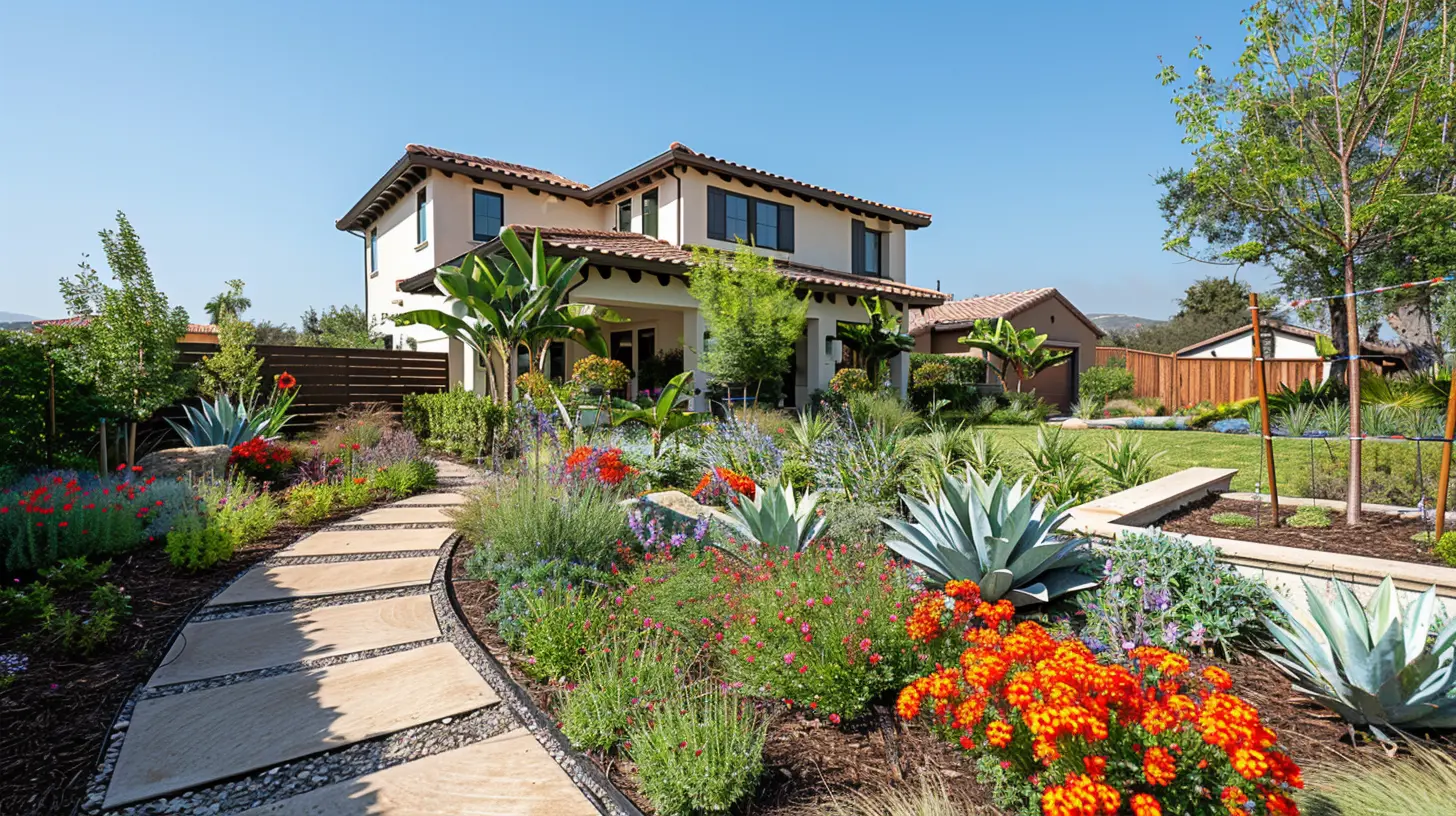
1. Know Your HOA’s Landscaping Rules
Before you do anything—before you plant a single flower or install a garden gnome—read the HOA guidelines. Every HOA has different rules, so what works in one neighborhood might be a no-go in another.Here are common restrictions you might come across:
- Lawn maintenance requirements (height, color, and health of your grass)
- Types of plants, flowers, and trees allowed
- Restrictions on fencing, edging, or hardscaping
- Rules on outdoor décor and lighting
- Limits on artificial turf or alternative ground cover
Understanding these restrictions upfront will save you time, money, and potential frustration. 
2. Choose HOA-Approved Plants and Trees
Not every plant is welcome in an HOA community. Some associations prohibit invasive species, certain large trees, or even colorful flowers that don’t match the "aesthetic."Safe bets for most communities include:
✅ Native plants – They blend in naturally and require less maintenance.
✅ Evergreens and ornamental shrubs – These keep your yard looking lush year-round.
✅ Drought-resistant plants – If you live in a hot climate, opt for succulents or lavender.
Check with your HOA before planting anything—because replacing an entire landscape can be expensive if they tell you it’s not allowed. 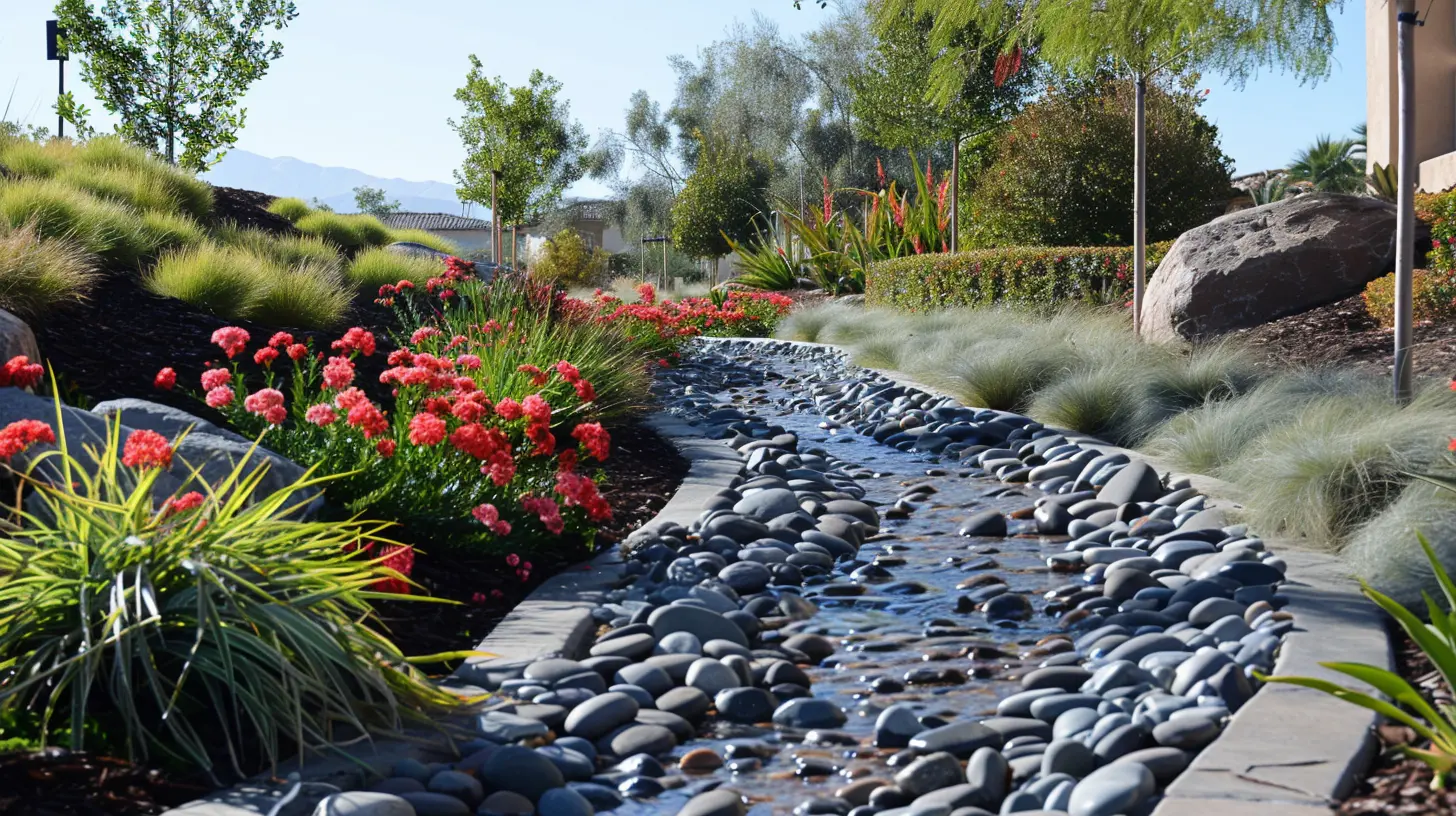
3. Keep That Lawn in Tip-Top Shape
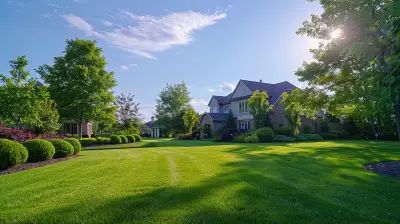
Ah, the HOA-mandated green carpet—your lawn. Many HOAs require homeowners to maintain lush, evenly-cut grass that’s free of weeds and brown patches.Tips for a Perfect HOA-Friendly Lawn:
? Mow regularly – Keep your grass at the regulated height. (Usually between 2.5-4 inches)? Water wisely – Follow any HOA water usage restrictions and use sprinklers efficiently.
❌ Weed control – HOAs usually frown upon dandelions taking over your yard.
? Fertilize appropriately – Keep the lawn healthy without overdoing it.
If maintaining a grass lawn feels like a never-ending chore, consider asking your HOA about alternative ground covers like clover or artificial turf. 
4. Keep Your Walkways and Driveway Clean
Your driveway and walkways might not be the first thing on your mind when thinking about landscaping, but HOAs are surprisingly strict about them.Here’s what they expect:
- No weeds sprouting between pavers or cracks.
- No oil stains or excessive dirt buildup on driveways.
- No overgrown plants spilling onto walkways.
A quick power wash every season and regular edging can keep these areas looking crisp and HOA-approved.
5. Mind Your Mulch and Edging
Mulch is great for preventing weeds and keeping plants healthy, but some HOAs have strict rules about:- Color – Some communities might ban bright red mulch in favor of neutral options.
- Type – Certain materials like rubber mulch may not be allowed.
- Placement – You might need to keep mulch within specific boundaries.
It's also smart to invest in clean edging to separate your grass from mulch beds or garden areas. This keeps your yard looking polished and prevents creeping grass from taking over your flower beds.
6. Keep Trees and Shrubs Trimmed
Overgrown trees and bushes can become an instant HOA violation if they:- Block sidewalks or driveways.
- Interfere with power lines or public spaces.
- Obstruct your house number or mailbox.
Regular trimming not only keeps your yard looking neat but also prevents any surprise HOA complaints. Stick to a seasonal trimming schedule—and if you’re unsure about a tree on your property, check with the HOA before making any major changes.
7. Be Careful with Yard Decorations
One of the biggest HOA battles? Lawn ornaments and decorations.You may love a good pink flamingo or a charming garden gnome, but your HOA might not share your enthusiasm. Many associations have limits on:
? Statues and figurines – Some only allow a few small items, while others ban them entirely.
? Holiday decorations – Strict rules about when they can be put up and taken down.
? Wind chimes and outdoor lighting – Some HOAs restrict anything that makes noise or adds extra illumination.
Before adding any eye-catching elements to your yard, double-check the HOA guidelines and make sure you're within their limits.
8. Consider Low-Maintenance Landscaping
If you’re not a fan of spending hours every weekend on yard work, look into low-maintenance landscaping that's still HOA-approved.Some easy-to-manage ideas include:
✅ Rock gardens – No mowing, no watering, and they look stylish!
✅ Drought-tolerant plants – Perfect for reducing water bills and work.
✅ Mulched flower beds – Keeps weeds down and requires minimal upkeep.
✅ Automatic irrigation systems – Prevent overwatering and keep your plants healthy.
The key is to balance beauty with easy care—your HOA will appreciate it, and so will your free time.
9. Handle HOA Violations the Right Way
Even with the best intentions, you might receive an HOA violation notice. Don’t panic! Here’s how to handle it:1. Read the notice carefully – Understand exactly what’s being requested.
2. Fix the issue quickly – The sooner you make adjustments, the better.
3. Communicate with the HOA – If you need more time or clarification, politely ask.
4. Appeal if necessary – If you believe the violation is unfair, check if you can appeal the decision.
Most HOAs want to work with homeowners, not against them, so a respectful approach usually leads to a smoother resolution.
10. Stay Friendly with Your Neighbors
Lastly, keeping a positive relationship with your neighbors can go a long way. If someone thinks your yard is violating HOA rules, a friendly neighbor is more likely to mention it before reporting you.? Pro Tip: If you’re unsure about a landscaping change, ask your neighbors what they've done. If their yard meets HOA standards, yours probably will too!
Final Thoughts
Staying HOA-compliant with your landscaping doesn’t mean you have to sacrifice personality or curb appeal. With smart planning, a little research, and consistent upkeep, you can enjoy a beautiful yard without breaking the rules.At the end of the day, your HOA just wants the neighborhood to look its best—and with these landscaping practices, your home will blend in while still standing out in the best way possible.
all images in this post were generated using AI tools
Category:
Hoa GuidelinesAuthor:

Lydia Hodge
Discussion
rate this article
2 comments
Zephyra McNeil
Great insights on landscaping practices! Staying HOA-compliant can be tricky, but your tips make it manageable. I appreciate the focus on both aesthetics and community standards. Keep up the good work!
August 1, 2026 at 10:43 AM
Lydia Hodge
Thank you! I'm glad you found the tips helpful. Balancing aesthetics and compliance is key. Your support means a lot!
Mackenzie Hurst
Finally, a guide that helps me keep my lawn looking great while avoiding the HOA's wrath. Now if only they had tips for dealing with my neighbor's gnomes...
June 14, 2026 at 11:54 AM
Lydia Hodge
Glad you found the guide helpful! As for those gnomes, maybe a friendly chat will do the trick... or some creative landscaping ideas to distract from them!