Trends Shaping the Future of Home Prices in 2027
22 April 2026
The real estate market is as unpredictable as a game of Monopoly. One minute you’re raking in properties, and the next, you're stuck with hotels on Baltic Avenue. If you're like many house hunters or investors, you might be wondering: what will home prices look like in 2027? Spoiler alert: it’s going to be a wild ride! In this article, we’ll dive into some key trends that are shaping the future of home pricing and what they could mean for you.
The Rise of Remote Work
The New Normal
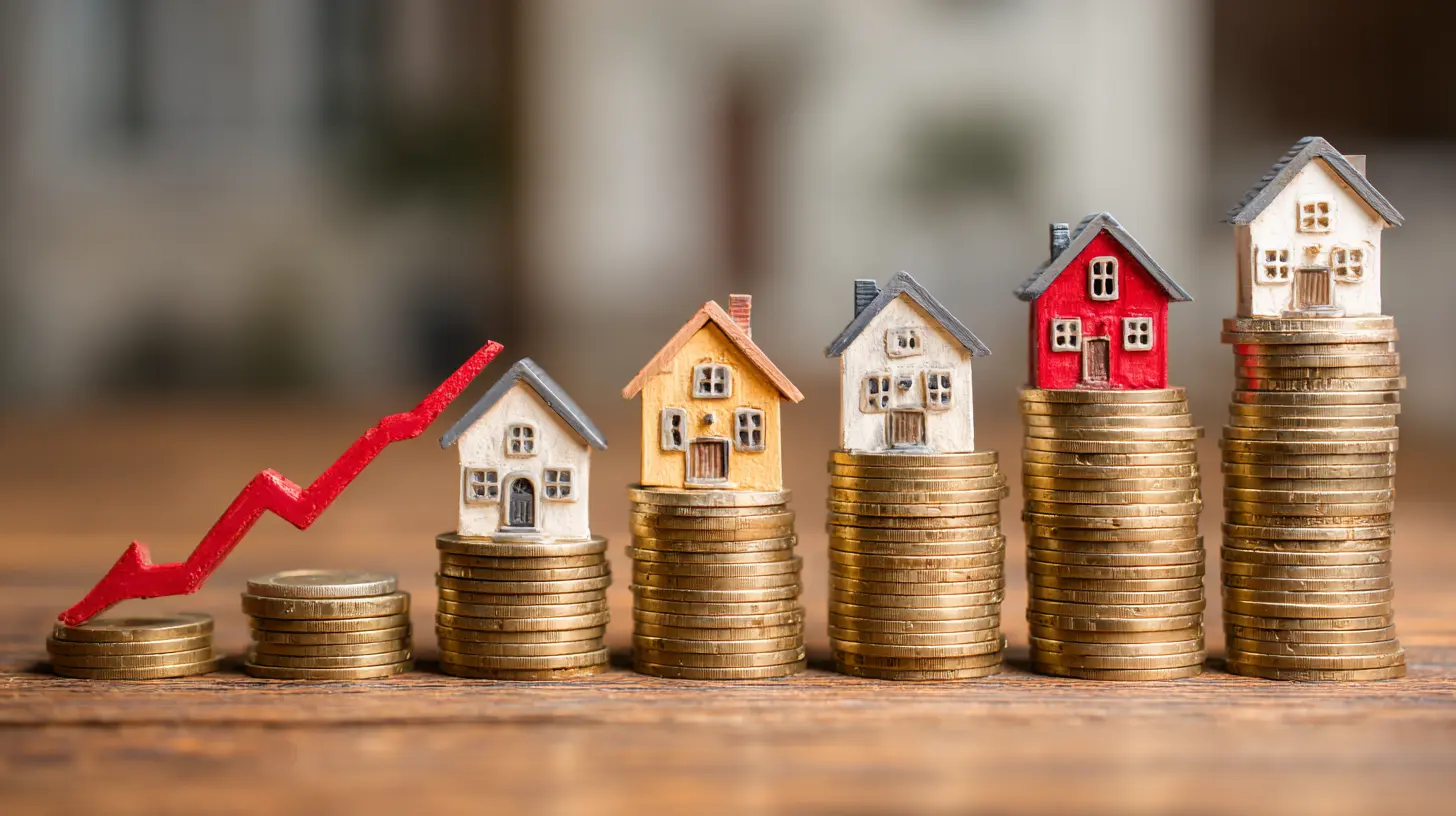
Remember the days when commuting to the office was part of your daily grind? Well, for many, that’s a thing of the past. The pandemic has transformed how we work, making remote jobs the new norm for countless professionals. You might be asking, “What does this have to do with home prices?” A lot, actually!With remote work becoming mainstream, people are no longer tied to urban centers. They’re flocking to suburban and rural areas where they can get more bang for their buck. Imagine trading a tiny apartment in the city for a spacious home with a yard in the countryside. Sounds appealing, right? As demand for homes in these less populated areas rises, so too will their prices.
Shifting Demographics
You can also expect to see a demographic shift. Millennials and Gen Z are reaching home-buying age, and they have different priorities than previous generations. They value experiences over material possessions, leading them to seek homes that accommodate their lifestyles. This means eco-friendly homes, smart technologies, and even homes that double as coworking spaces will likely see an uptick in demand.
Technological Advancements
PropTech Revolution
Technology is revolutionizing every industry, and real estate is no exception. Enter PropTech—property technology is changing how we buy, sell, and manage homes. Have you heard of virtual reality tours? They allow potential buyers to walk through a home without stepping foot inside. This convenience can drive demand, particularly for newer listings.Moreover, AI-powered tools can analyze market trends and home valuations with astonishing accuracy. As technology continues to evolve, homes will be priced more efficiently, reflecting real-time market conditions. If you're a seller, this means you might be able to price your home more competitively, while buyers will have access to more data to make informed decisions.
Smart Homes Are Here to Stay
Smart home technology is another factor that’s likely to shape future home prices. Imagine controlling your home’s heating, lighting, and security with just your voice or a tap on your phone. As more homeowners invest in smart technology, homes equipped with these features will likely command higher prices. Buyers are increasingly looking for homes that offer comfort, security, and efficiency, so if you’re in the market, keep an eye out for smart features!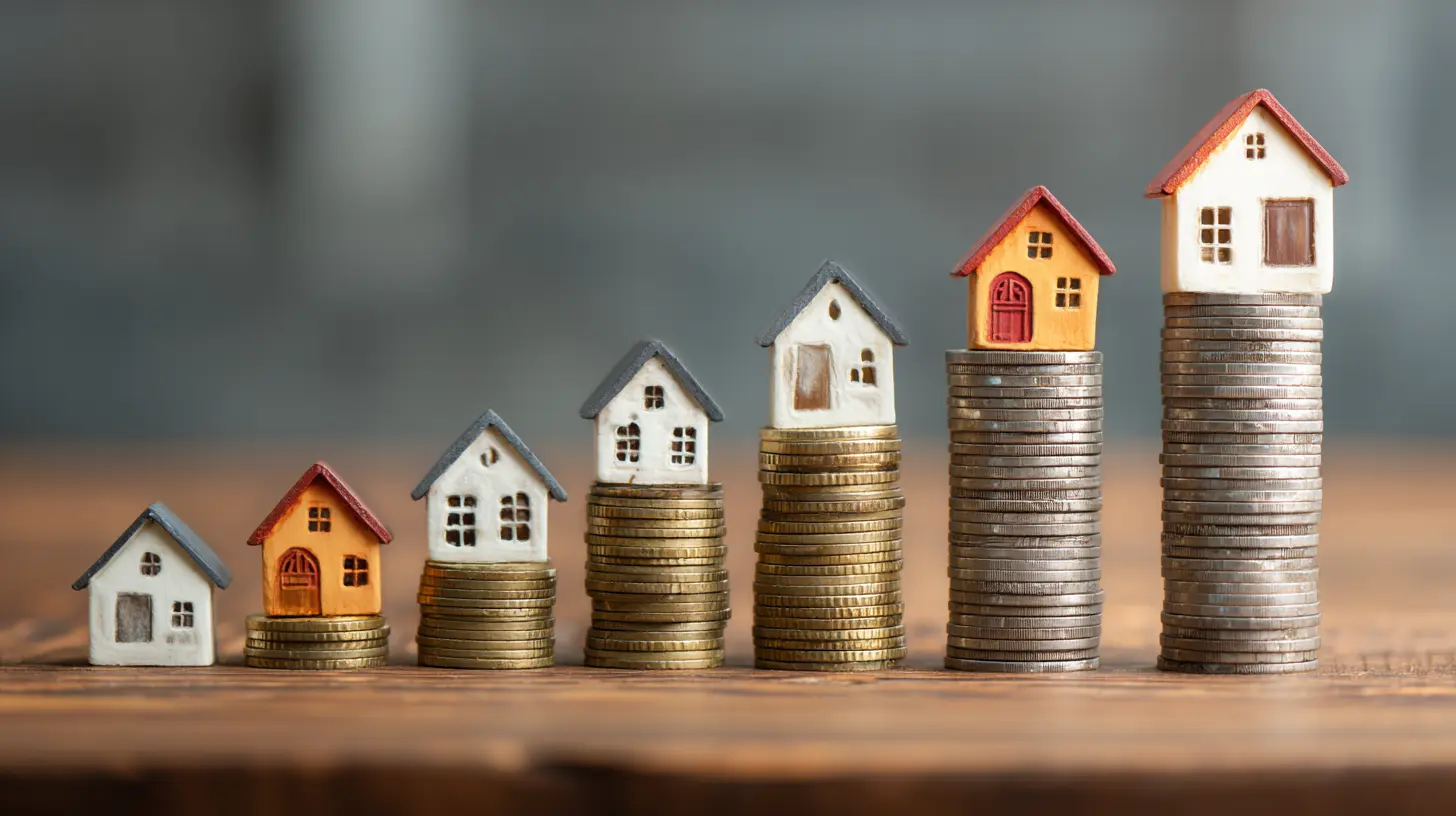
Economic Factors
Interest Rates and Inflation
Okay, let’s talk about the elephant in the room—interest rates! As the Federal Reserve adjusts interest rates, the housing market feels the ripple effects. If rates go up, borrowing becomes more expensive, which can cool off demand. On the flip side, if rates go down, buyers are more likely to enter the market, driving demand and, consequently, prices up.Inflation is another big player in the home pricing game. As the cost of living increases, so does the price of building materials and labor. This means new homes will be more expensive to build, which can push up prices for existing homes as well. A home that was once seen as affordable may quickly become out of reach for many buyers.
Job Market Dynamics
The job market is another factor that can’t be overlooked. An economy rich in job opportunities attracts homebuyers. If a city is thriving, you’ll see an influx of new residents, which drives demand for housing. Conversely, a struggling job market can lead to a decrease in demand—and that can put downward pressure on home prices. Keeping an eye on employment trends in your target areas can give you valuable insights into future home prices.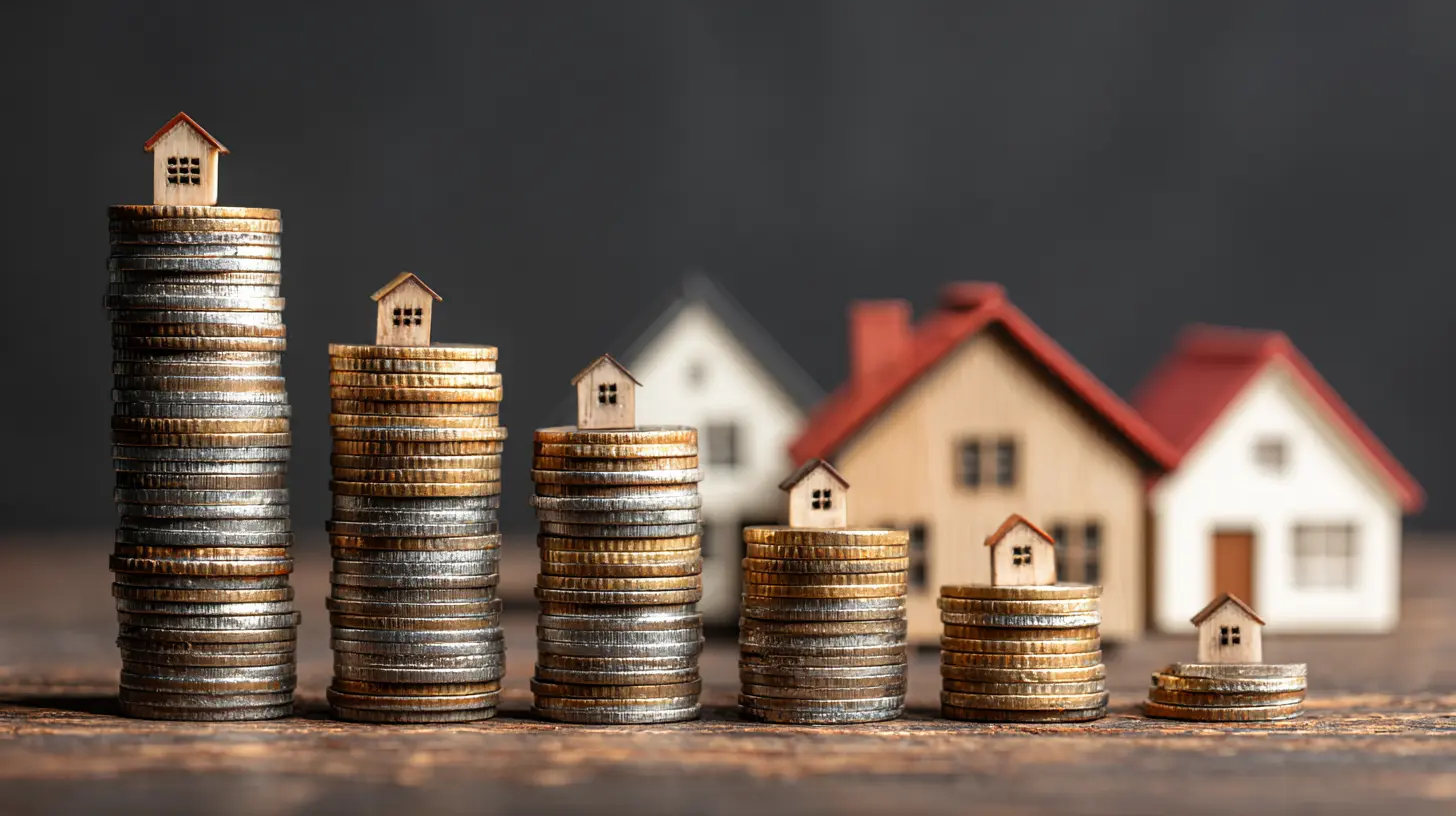
Climate Change Concerns
Natural Disasters and Housing Markets
Mother Nature is no friend to real estate. With climate change escalating, many areas are increasingly at risk for natural disasters like floods, wildfires, and hurricanes. This poses a significant concern for home buyers and investors.For instance, homes in high-risk areas may see a decline in value as potential buyers shy away from the risks. On the other hand, properties in safer regions may see a surge in interest. If you’re considering investing, think about how climate change could impact the desirability of your chosen location in the future.
Eco-Friendly Homes
On a brighter note, the push for sustainable living is gaining traction. Eco-friendly homes are not just a trend; they are becoming a necessity. Buyers are increasingly looking for features like solar panels, energy-efficient appliances, and sustainable building materials. These homes can command higher prices, as buyers are often willing to pay a premium for lower utility bills and a reduced environmental footprint.Urban vs. Suburban Dynamics
The Great Migration
As previously mentioned, remote work is influencing where people choose to live. In recent years, there’s been a noticeable shift from urban to suburban living. This “great migration” is likely to shape home prices significantly by 2027. Cities that once boasted high demand are starting to see a slowdown, while suburbs are heating up.Imagine a bustling city where housing prices are stagnant or even declining, while a suburban neighborhood you once overlooked is thriving. You might find that homes in these suburban areas are appreciating in value, driven by the influx of new residents seeking more space and a quieter lifestyle.
Urban Revitalization
But don’t count urban areas out just yet! Many cities are investing heavily in revitalization projects, which can significantly impact home prices. Parks, new businesses, and improved public transportation can make urban living more appealing. If a city successfully revitalizes a neighborhood, home prices can skyrocket as demand increases. Keep your eyes peeled for those hidden gems in urban areas, as they might be the next big thing.
Government Policies and Regulations
Housing Policies
Government policies play a crucial role in shaping housing markets. For example, first-time homebuyer incentives and tax breaks can spur demand and influence prices. On the flip side, policies aimed at curbing speculation or limiting short-term rentals can slow down price growth in certain markets.As you look ahead to 2027, it’s essential to keep an eye on local and national housing policies. Changes in regulations can have immediate impacts on supply and demand, which ultimately affect home prices. Staying informed can give you a strategic advantage, whether you're buying or selling.
Zoning Laws
Zoning laws are another critical piece of the puzzle. These regulations dictate how land can be used and can significantly impact home prices. If a city decides to rezone an area for higher-density housing, it can lead to increased supply, which might stabilize or even decrease prices. Conversely, restrictive zoning laws can limit supply, causing prices to rise. Understanding the zoning landscape in your area can provide valuable insights into future pricing trends.The Role of Global Events
Market Interconnectivity
In today’s globalized world, events happening thousands of miles away can influence your local housing market. Economic downturns, trade wars, and even pandemics can ripple through the housing market, affecting supply chains and buyer behavior.For example, if a major economy experiences a recession, it could lead to a slowdown in the housing market as buyers become more cautious. On the other hand, global investment in real estate can drive prices up in certain markets. Keeping an eye on global trends can help you anticipate potential changes in your local market.
Immigration and Housing Demand
Immigration is another factor that can shape housing demand. As populations grow, so does the need for housing. In many areas, an influx of new residents can drive prices up, particularly in regions that are already experiencing high demand. If you’re looking at areas with strong immigration trends, it might be worth considering how this could impact future home prices.
Conclusion: What Does This Mean for You?
So, what does all this mean for you as a potential buyer or investor? The landscape of home prices in 2027 will be shaped by a myriad of factors—from remote work trends and technological advancements to economic indicators and climate concerns. It’s a lot to take in!But don’t fret! By staying informed and understanding these trends, you can make better decisions about your real estate investments or home purchases. Whether you're eyeing a cozy suburban retreat or a trendy urban loft, keeping a pulse on these factors can help you navigate the ever-changing housing market.
So, are you ready to dive in? The future of home prices is full of opportunities and challenges. By keeping an eye on these trends, you can position yourself for success in the real estate game!
all images in this post were generated using AI tools
Category:
Housing Market TrendsAuthor:

Lydia Hodge
Discussion
rate this article
2 comments
Harrison Summers
Exciting trends ahead! Can’t wait to see how home prices evolve!
April 24, 2026 at 4:20 AM
Lydia Hodge
Thanks! It's definitely going to be interesting to watch the market evolve. Stay tuned!
Celine Blevins
Great insights! It's fascinating to see how evolving trends will shape the housing market. Excited to see how these factors influence home prices in the coming years!
April 22, 2026 at 2:32 AM
Lydia Hodge
Thanks for your thoughts! The evolving trends will definitely play a crucial role in the future of home prices. Exciting times ahead!