Understanding LEED Certifications and Why They Matter for Green Real Estate
8 December 2025
When it comes to sustainable living, there's a lot of buzz around eco-friendly homes, energy-efficient buildings, and green real estate. But have you ever heard of LEED certifications? This little acronym holds a lot of power in the world of green construction. If you've been wondering what it means and why it matters, you’re in the right place.
Let’s break it down in a way that won’t make your head spin.
What is LEED Certification?
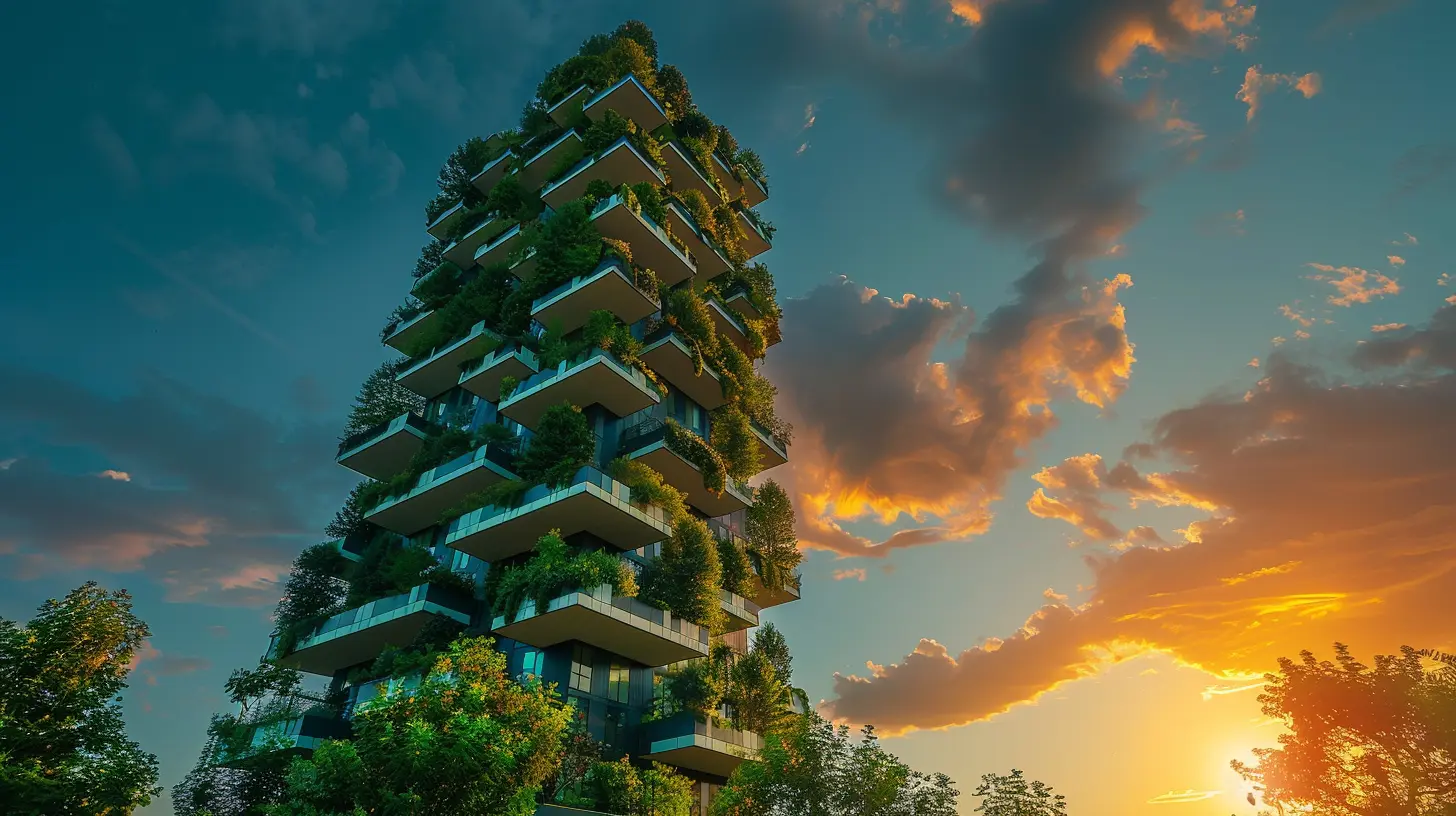
LEED stands for Leadership in Energy and Environmental Design. It’s a globally recognized certification system developed by the U.S. Green Building Council (USGBC) that rates buildings based on their sustainability and environmental impact. Basically, it's like a report card for eco-friendly buildings.A LEED-certified building is designed to reduce waste, lower energy and water usage, improve air quality, and create healthier living or working environments. Think of it as the gold standard for green real estate.
Why Should You Care About LEED Certifications?
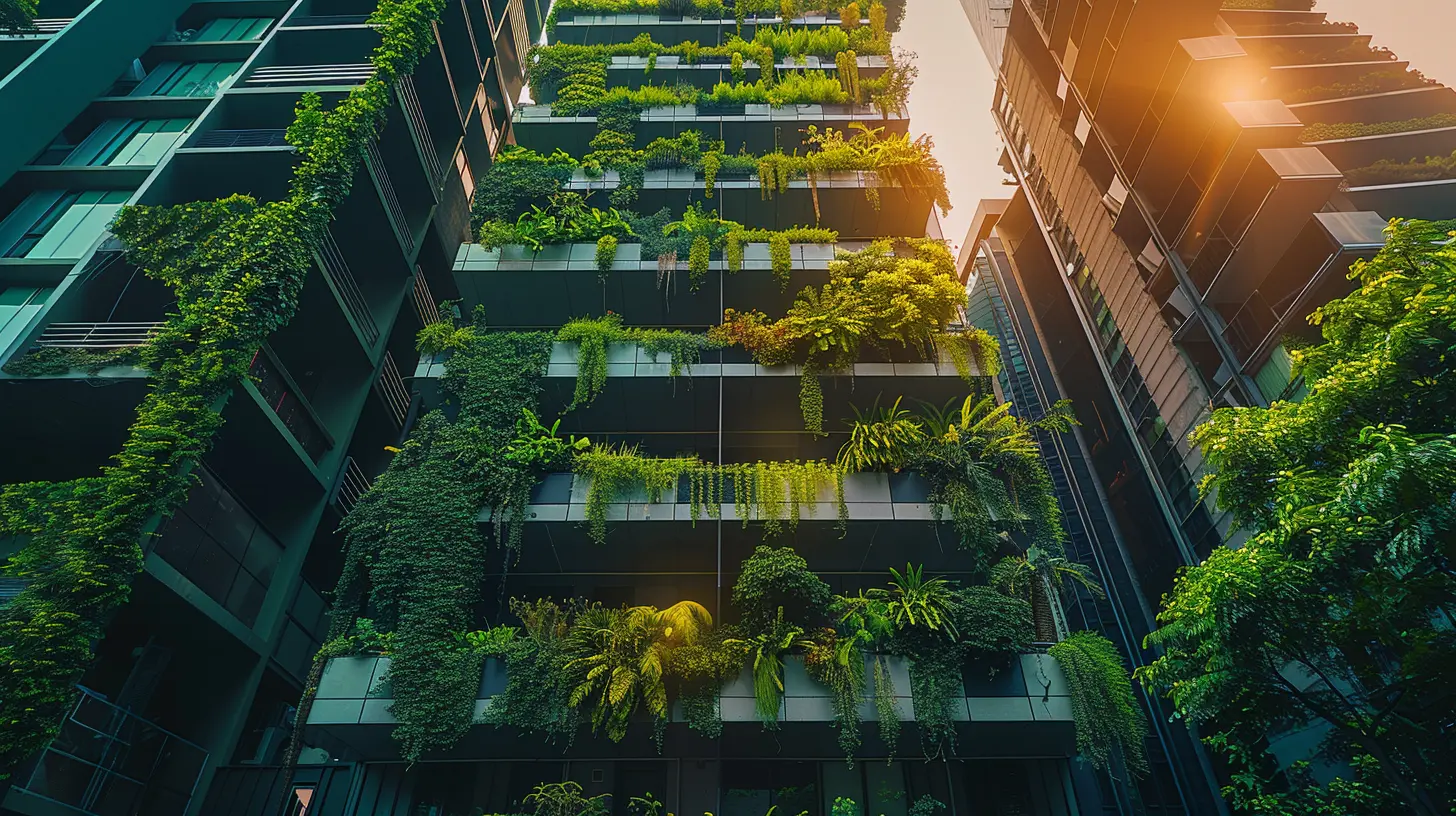
So, why does LEED matter? Simple. It’s better for the planet, better for your wallet, and better for your well-being. Whether you're a homebuyer, a real estate investor, or just someone looking to make more sustainable choices, understanding LEED can help you make smarter decisions.Here’s why LEED-certified properties are worth your attention:
- Energy Efficiency – Lower utility bills and reduced energy consumption.
- Higher Property Value – Green buildings often sell for more.
- Healthier Living Spaces – Better indoor air quality and fewer toxins.
- Tax Incentives & Rebates – Many local governments offer benefits for green properties.
The Different Levels of LEED Certification
LEED certifications come in different flavors, depending on how eco-friendly a building is. Here’s how they stack up:1. LEED Certified
This is the starting point. A building meets the basic LEED requirements, which is already a great step toward sustainability.2. LEED Silver
A level up from Certified, Silver indicates additional sustainability efforts beyond the basics.3. LEED Gold
Now we’re getting serious. Gold certification means the building has gone above and beyond to cut energy use, improve efficiency, and reduce environmental impact.4. LEED Platinum
The crème de la crème! Platinum-certified buildings are the ultimate in sustainability, designed with cutting-edge green technology.
How Does a Building Earn LEED Certification?
Great question! LEED uses a point-based system—the more eco-friendly features a building has, the higher the score. The rating system looks at several key areas:- Sustainable Sites – Does the location minimize environmental disruption?
- Water Efficiency – How well does the building conserve water?
- Energy & Atmosphere – Is energy consumption minimized?
- Materials & Resources – Are sustainable materials used?
- Indoor Environmental Quality – Is the air clean and free of harmful pollutants?
- Innovation & Design – Extra points for creative and cutting-edge sustainable practices.
A building racks up points in these categories, and the final score determines its certification level.
What Types of Buildings Can Get LEED Certified?
LEED isn’t just for skyscrapers and office towers. It applies to homes, schools, hospitals, retail stores, and even entire neighborhoods! Yup, you read that right—entire communities can earn LEED certification.So whether it's a cozy single-family house or a sprawling corporate headquarters, LEED has a rating system to fit.
Benefits of LEED-Certified Real Estate
Now, let’s talk about YOU—why should you care whether a building is LEED certified? Whether you’re buying, selling, or investing, there are some compelling reasons to lean toward green-certified real estate.1. Lower Utility Bills
Who doesn’t love saving money? LEED-certified homes and buildings are designed to cut energy costs, meaning you’ll spend less on electricity, heating, and water.2. Higher Resale Value
Green homes tend to have higher resale values because more buyers are looking for sustainable and energy-efficient properties. In other words, if you invest in LEED-certified real estate, you’ll likely enjoy a bigger payday when it’s time to sell.3. Healthier Living Environment
LEED-certified buildings focus on better air quality, less toxic construction materials, and superior ventilation. That means cleaner, fresher air—and a healthier place to live.4. Tax Credits & Incentives
Many cities and states offer financial incentives, rebates, and tax breaks for energy-efficient buildings. If you own LEED-certified real estate, you might qualify for some sweet savings.5. Environmental Impact
If you care about the planet (and let’s be honest, we all should), a LEED-certified building is one of the best ways to reduce your carbon footprint. These properties use less energy, produce fewer emissions, and conserve more water.LEED in Action: Real-Life Examples
Still not convinced? Here are some high-profile buildings that have earned LEED certification:- The Empire State Building – One of the most famous skyscrapers in the world is now a model of energy efficiency with its LEED Gold status.
- Chicago’s Willis Tower (former Sears Tower) – Another iconic building that’s gone green.
- Apple’s Headquarters (Apple Park) – This futuristic campus is LEED Platinum-certified, proving sustainability can be innovative and cutting-edge.
If billion-dollar companies are embracing LEED, you know it’s something worth considering.
How to Find LEED-Certified Homes
Looking for a LEED-certified property? Here’s how to start:1. Check Real Estate Listings – Many real estate websites now list eco-friendly homes with certifications.
2. Ask Your Realtor – A knowledgeable agent can help you find LEED-certified properties in your area.
3. Visit the USGBC Website – The U.S. Green Building Council has resources and directories to help locate certified projects.
Final Thoughts
LEED certification is more than just a fancy label—it’s a powerful indicator of sustainability, energy efficiency, and long-term value. Whether you're buying, selling, or investing in real estate, looking for LEED-certified properties is a smart financial and environmental decision.So, next time you're house hunting or considering a real estate investment, ask yourself: Is this property LEED-certified? Your wallet, your health, and the planet will thank you.
all images in this post were generated using AI tools
Category:
Green HomesAuthor:

Lydia Hodge
Discussion
rate this article
2 comments
Simone McInnes
Love this! Green buildings make our planet happier and healthier!
December 9, 2025 at 8:18 PM
Lydia Hodge
Thank you! I'm glad you found it valuable—green buildings truly contribute to a healthier planet!
Capri McAllister
Great article! Understanding LEED certifications is crucial for both buyers and builders in the green real estate market. These standards not only promote sustainability but also enhance property value and appeal. Knowing the benefits of LEED can lead to informed decisions for a healthier planet and investment returns.
December 8, 2025 at 3:59 AM
Lydia Hodge
Thank you for your thoughtful comment! I'm glad you found the article valuable—understanding LEED is indeed essential for making informed choices in green real estate.