What to Look for When Shopping for an Energy-Efficient Home
26 January 2026
Let’s be honest: buying a home is already a full-time job. Between budgeting, touring properties, dealing with agents, and imagining where you’ll place your favorite couch, it’s easy to get overwhelmed. But if you're also trying to make sure your new home is energy-efficient? That’s a whole other layer of things to watch out for.
Here’s the good news—shopping for an energy-efficient home doesn’t have to be rocket science. In fact, it’s kind of like grocery shopping with a healthy mindset. You know, scanning labels, avoiding the junk, and choosing what will nourish you (and your wallet) in the long run.
In this post, we’ll break down everything you need to know when it comes to buying an energy-smart home. Whether you’re a green warrior or just someone who wants to save a few bucks on utility bills, this guide’s for you.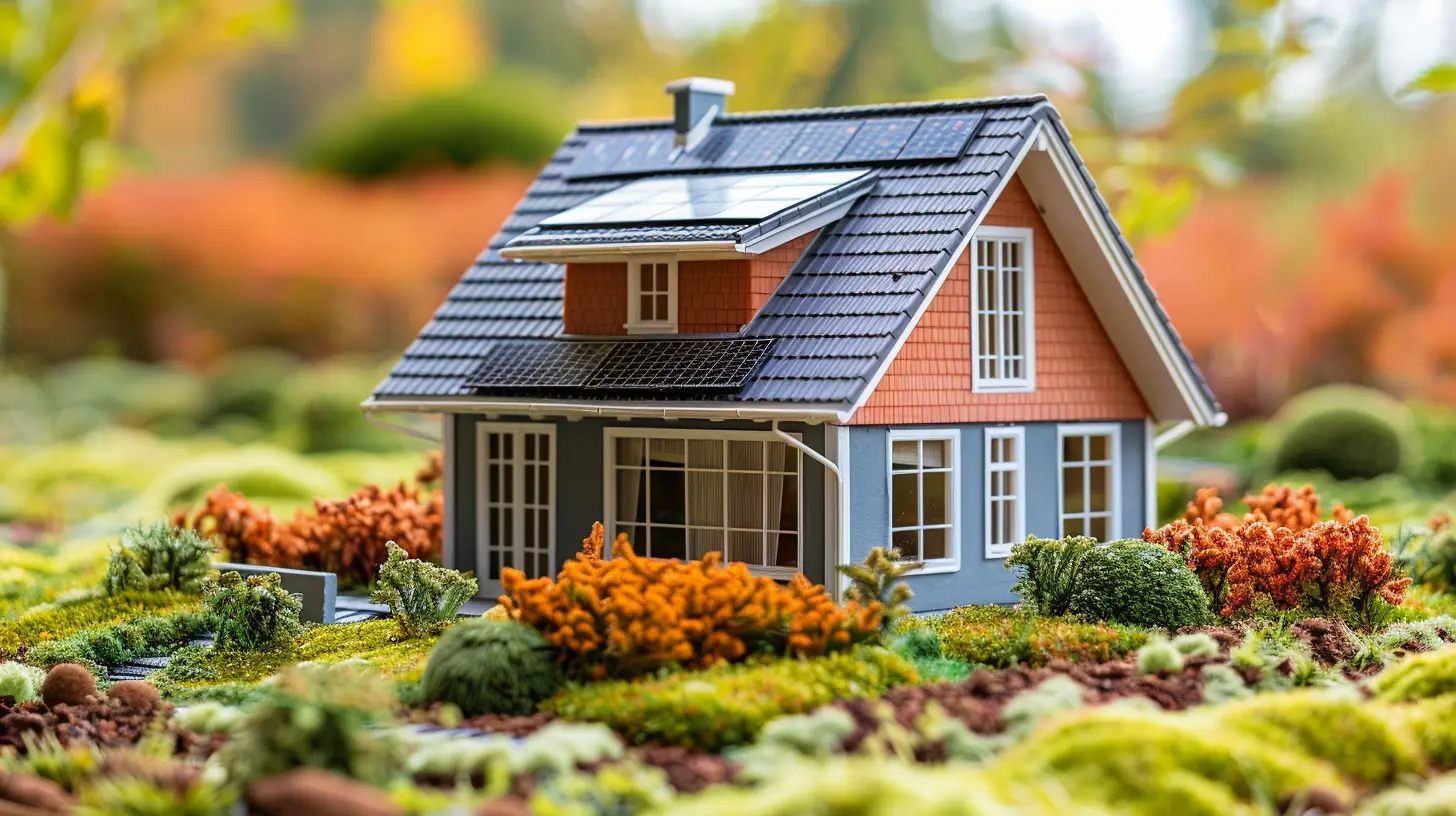
Why Energy Efficiency Even Matters
Before we dive into the checklist, let's answer the "why".Sure, an energy-efficient home helps the environment, but it also does wonders for your pocket. These homes use less power to run heating, cooling, appliances, and lighting. That means lower utility bills, fewer repair headaches, and improved comfort all year round.
Plus, energy-efficient homes often have better resale value. Who wouldn’t want a house that saves money and stays cozy?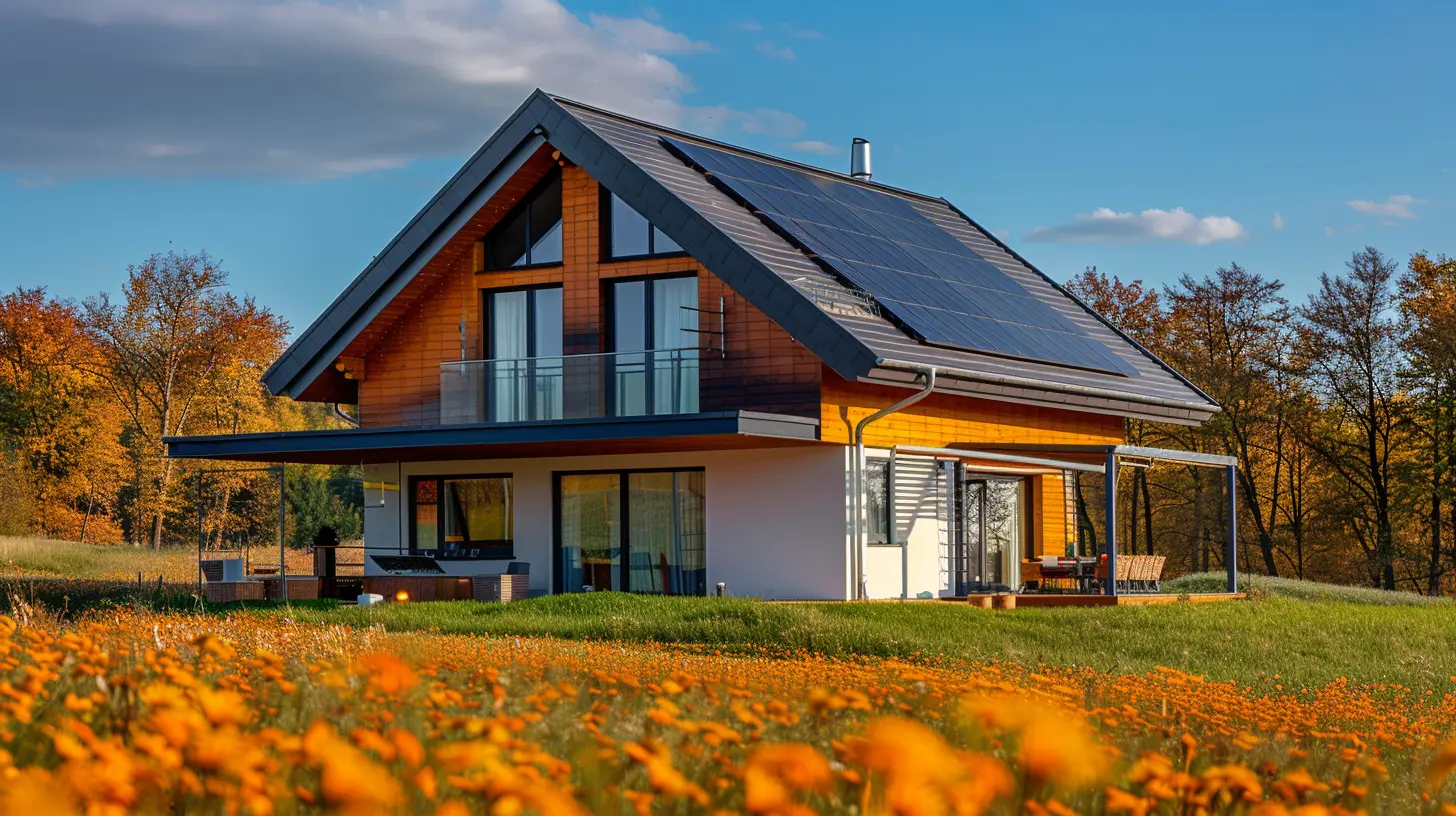
How to Know If a Home Is Energy Efficient
Let's cut straight to it—how do you tell if a home is actually energy-efficient or if it's just wearing a green badge for show?There are a few surefire signs and features to look out for. Let’s break them down.
1. Look for Energy Certifications
This one’s like a seal of approval. If the home comes with an official energy rating or certification, it’s a strong sign you’re on the right track.A few common ones include:
- ENERGY STAR® CertificationHomes with this rating meet strict energy efficiency guidelines set by the U.S. Environmental Protection Agency (EPA). Think of it as the gold standard for energy-conscious homes.
- HERS Index Score (Home Energy Rating System)
This measures a home’s energy efficiency. The lower the score, the better. A typical new home scores 100, while a net-zero energy home scores 0.
- LEED Certification (Leadership in Energy and Environmental Design)
While more common in commercial buildings, some residential homes are LEED-certified, meaning they’re sustainably built and energy-efficient.
Feeling overwhelmed with acronyms? Don't worry—you don’t need to memorize them. Just ask your real estate agent if the home has these certifications or scores. It'll save you hours of guessing later.
2. Inspect the Insulation
Insulation is your home’s warm winter coat and cool summer shade. If a house has poor or outdated insulation, it’s likely losing heat in the winter and gaining heat in the summer—basically making your HVAC system run a marathon every day.What to check:
- Attic – There should be thick, even layers of insulation.- Walls – You can’t see inside, but a professional home inspector can tell you what’s hidden behind the drywall.
- Basements and crawlspaces – Often forgotten, but super important in keeping things energy-efficient.
Pro tip? Ask when the home was last insulated or upgraded. If it’s been decades, factor the insulation upgrade into your budget.
3. Examine the Windows and Doors
Think of windows and doors as the lungs of your home. If they’re drafty, old, or single-paned, chances are your energy bills are gonna soar.What to look for:
- Double or triple-pane windows – These are better at keeping the outside out and the inside in.- Low-E coating – This reflects heat and UV rays, helping keep your home cooler in the summer.
- Tight seals and weather stripping – No breezes should be sneaking through the cracks.
Run your hand along door frames and window edges. Feel a draft? That’s a red flag.
4. Look at the Heating and Cooling System
Here’s where the real energy guzzlers live. Your HVAC system is often the biggest contributor to your energy bill, especially during extreme seasons.Key questions to ask:
- How old is the system?- Is it ENERGY STAR® certified?
- Has it been regularly maintained?
- Is the system appropriately sized for the home?
Oversized or undersized HVAC systems are both inefficient. A tiny system will struggle to heat/cool the house, while a massive one cycles on and off too frequently.
5. Check Out the Water Heater
Water heaters are the silent energy suckers no one talks about. But trust me, they matter.Tankless water heaters, for instance, heat water only when you need it and are typically more efficient than traditional models. Also, look for ENERGY STAR® labels here too.
Ask how old the unit is—after 10-12 years, most water heaters start losing their efficiency and drain your power bills.
6. Evaluate the Appliances
Modern appliances are like your home’s personal assistants. You want them to work hard, but not waste your resources.Look at the fridge, dishwasher, washer, dryer, and oven. Are they ENERGY STAR® rated? Do they look outdated?
If the appliances look like they’ve time-traveled from 1995, walk away (or budget for upgrades).
7. Don’t Forget the Lighting
This might seem small, but lighting can be a sneaky contributor to high energy bills.Modern energy-efficient homes often have LED or CFL bulbs instead of old-school incandescent ones. LED bulbs use about 75% less energy and last 25 times longer. If the home is still rocking incandescent fixtures, it might not have been updated in a while.
8. Look For Smart Home Tech
Smart thermostats like Nest or Ecobee aren’t just trendy—they actually help you save. These devices learn your schedule and adjust heating and cooling automatically, making your home much more efficient without you even noticing.Smart lighting, motorized blinds, and energy monitoring systems also give you more control over your energy usage.
Think of it as giving your home a brain that helps you save money.
9. Solar Panels: Bonus Points
Okay, not every energy-efficient home has solar panels—but if it does, it’s a huge plus.Solar panels can help cut energy costs dramatically and contribute to a more sustainable lifestyle. Just keep in mind the age, condition, and whether they’re owned or leased. Owned panels usually add more value than leased ones.
10. Pay Attention to the Home’s Orientation and Landscaping
This might sound a little woo-woo, but the direction a home faces can seriously impact energy efficiency.A south-facing home (in the Northern Hemisphere) generally gets more sunlight, which can help with heating in winter. Proper shading, like trees or awnings, helps reduce cooling needs in summer.
Landscaping can also insulate a home. Plants, shrubs, and trees can act as natural windbreaks or shade-providers.
So yes, that old oak tree in the front yard isn’t just pretty—it could be your utility bill’s best friend.
Final Thoughts: Ask the Right Questions
When you're touring homes, you don’t need to show up in a lab coat with a clipboard. But being informed is everything.Here are some handy questions to keep in your back pocket:
- What’s the average monthly utility bill?
- Are there any energy certifications?
- When was the HVAC/water heater/roof/windows last updated?
- Is there a recent energy audit report available?
- Are there any government incentives or rebates for further upgrades?
Remember, you’re not just buying a house—you’re buying into a lifestyle. Choosing an energy-efficient home is like investing in a car that doesn’t guzzle gas. It’s smarter, cleaner, and way more budget-friendly in the long run.
So, whether you’re scrolling through listings or walking through open houses, keep this checklist handy. Your future self—and your future savings—will thank you.
all images in this post were generated using AI tools
Category:
House HuntingAuthor:

Lydia Hodge
Discussion
rate this article
2 comments
Tyler Turner
Consider insulation quality, window efficiency, and renewable energy options to maximize comfort and minimize long-term costs.
February 5, 2026 at 5:27 AM
Lydia Hodge
Great point! Prioritizing insulation, window efficiency, and renewable energy can significantly enhance comfort and reduce long-term expenses. Thank you for the suggestion!
Noelle Navarro
When shopping for an energy-efficient home, prioritize high-quality insulation, energy-efficient windows, and renewable energy systems. Additionally, consider the home’s orientation and local climate to maximize efficiency and comfort.
January 27, 2026 at 5:38 AM
Lydia Hodge
Thank you for your insightful comment! Prioritizing insulation, windows, and renewable energy systems, along with considering orientation and climate, is essential for achieving energy efficiency and comfort in a home.