Affordable Backyard Makeovers with Big Impact
16 August 2026
Most homeowners assume that transforming a backyard into a beautiful, usable space requires a budget that rivals a small car purchase. That assumption is wrong. The truth is that the most effective backyard makeovers rarely depend on how much money you throw at them. They depend on how thoughtfully you use what you already have, how creatively you solve practical problems, and how willing you are to put in a bit of sweat equity.
The backyard is often the most underutilized square footage on a property. It is also the area where small changes produce the most visible results. A fresh coat of paint on a tired fence changes the entire mood of the space. A simple gravel path guides the eye and the feet in a way that feels intentional. A few well-placed plants can turn a barren patch of dirt into a retreat. The trick is knowing where to start, what to prioritize, and what to skip entirely.
This guide walks through the highest-impact, lowest-cost upgrades that actually work. You will learn why certain choices outperform others, what mistakes to avoid, and how to make decisions that hold up over time. No fake statistics, no invented case studies, just practical knowledge that comes from years of seeing what works in real yards.
Why Small Budgets Force Better Decisions
There is a hidden advantage to having a limited budget for your backyard. When you cannot buy your way out of a problem, you are forced to think about function first. A person with ten thousand dollars might buy a prefabricated pergola and call it a day. A person with five hundred dollars has to ask harder questions. What do we actually use the yard for? Where does the sun hit? Where does water pool? What is the natural flow from the house to the garden?Those questions lead to better outcomes. A backyard makeover is not about adding things. It is about removing friction. If you want to grill, the path from the kitchen to the grill matters more than the grill itself. If you want to sit with coffee in the morning, a small, shaded corner with a decent chair beats a large, open deck that bakes in the afternoon sun.
Start by writing down three activities you want to do in your backyard. Be honest. Do not write "host large parties" if you have not hosted one in five years. Write "eat dinner outside twice a week" or "let the kids run around while I read." Every dollar you spend should serve those three activities. Everything else is optional.
The Power of a Clean Slate and a Clear Edge
Before you buy anything, do a deep clean. This sounds too simple to matter, but it is the single highest return activity in any backyard makeover. Sweep, rake, pull weeds, remove dead branches, and pressure wash every hard surface. A dirty patio makes even new furniture look worn. A clean patio makes a twenty-dollar folding chair look intentional.Once the space is clean, define the edges. The human eye craves boundaries. A flower bed with a crisp edge looks ten times more expensive than the same bed with a ragged border. You do not need expensive edging stones. A sharp spade can cut a clean line into the lawn. A few inches of mulch along that line creates a visual separation that instantly organizes the yard.
Edges also solve the most common backyard problem: the lawn creeping into everything. When grass grows into your patio or your garden bed, the whole space feels messy. Cutting a clear edge once per season takes ten minutes and changes the entire appearance of the property. Do not underestimate this. Landscapers charge a premium for edging because it delivers immediate visual impact.
Gravel and Mulch: The Underappreciated Workhorses
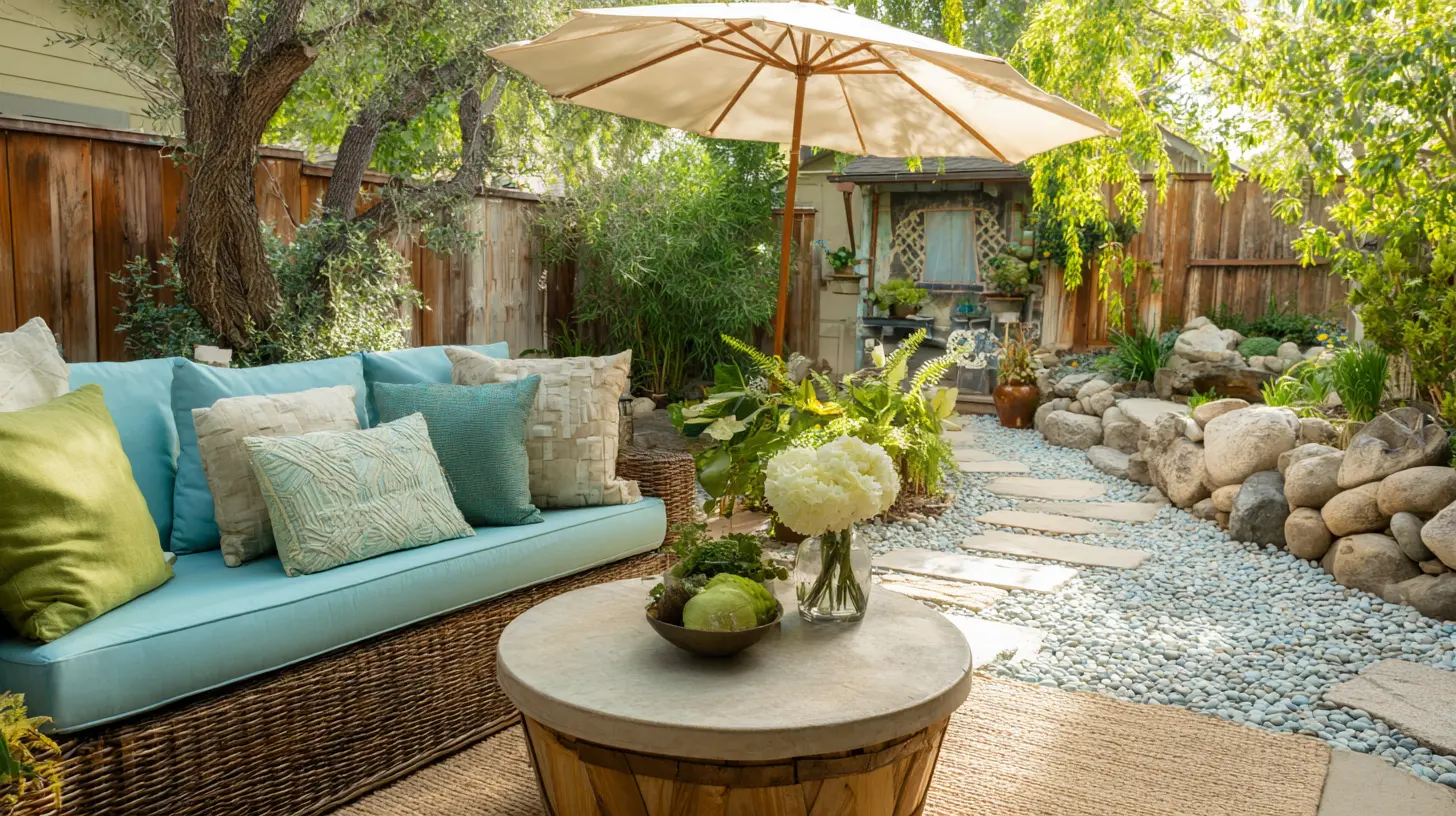
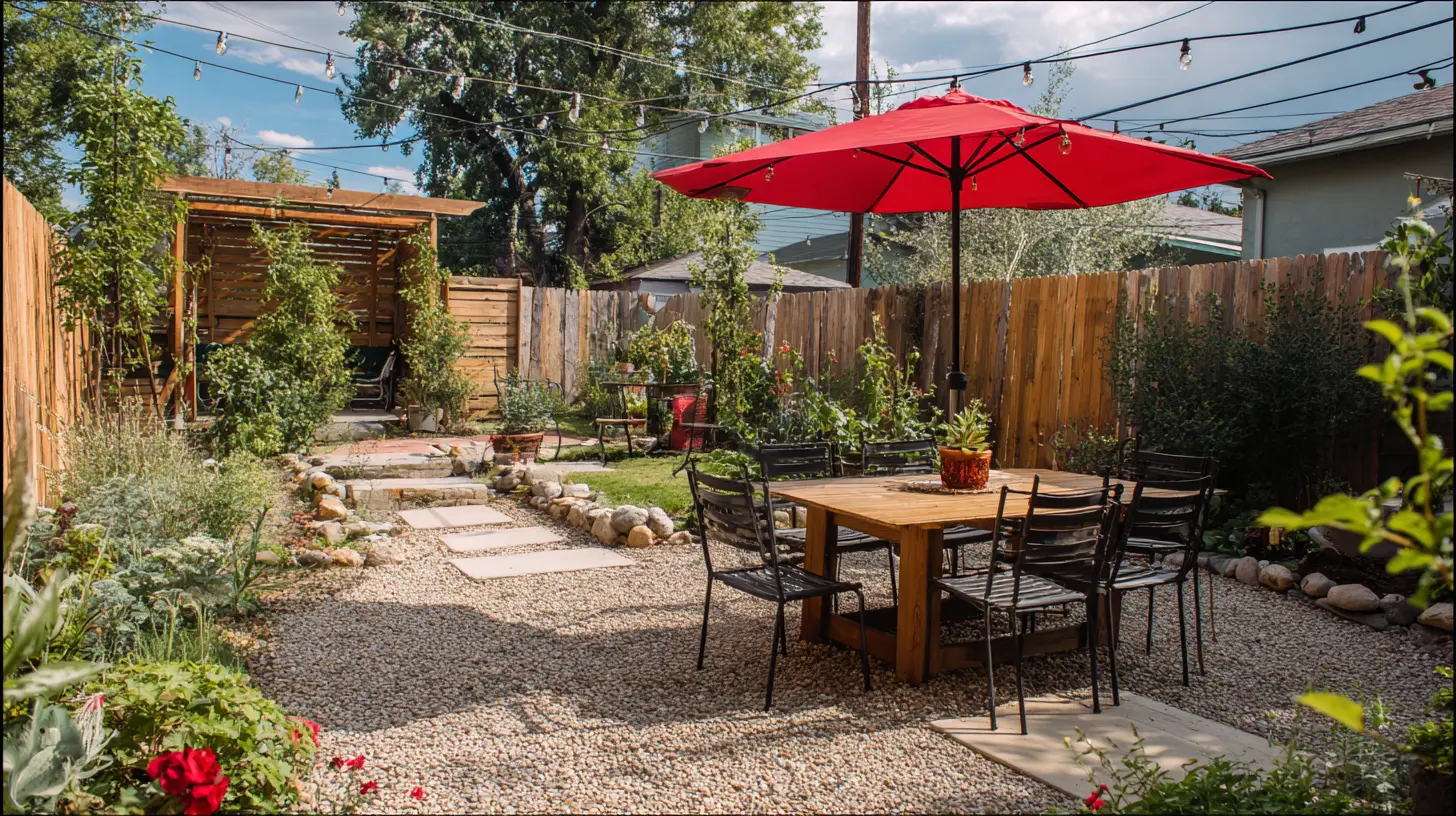
Gravel is one of the most versatile and affordable materials in landscaping. A cubic yard of pea gravel costs a fraction of what you would pay for pavers or concrete, and it covers about a hundred square feet at a depth of three inches. You can create a defined seating area, a path, or a low-maintenance bed for potted plants.The key to gravel is proper preparation. You cannot just dump it on dirt and expect it to stay. You need a weed barrier, a solid base, and some kind of edge to keep the stones contained. That edge can be as simple as pressure-treated lumber or as elegant as steel strips. The cost is still low, but the result looks clean and professional.
Gravel is also forgiving. If you make a mistake, you can rake it out and start over. You cannot do that with concrete. For a family with kids and pets, gravel provides good drainage and does not get muddy. The downside is that walking on gravel is noisy, and it can be uncomfortable for bare feet. If you want a quiet, barefoot-friendly surface, consider decomposed granite instead. It compacts into a firm surface while still draining well.
Mulch deserves equal praise. A three-inch layer of organic mulch in garden beds retains moisture, suppresses weeds, and regulates soil temperature. It also makes the entire yard look cohesive. The trick is to buy quality mulch, not the cheapest dyed stuff from a big box store. Look for double-ground hardwood mulch or arborist wood chips, which break down into rich soil instead of washing away.
Painting and Staining: The Fastest Transformation
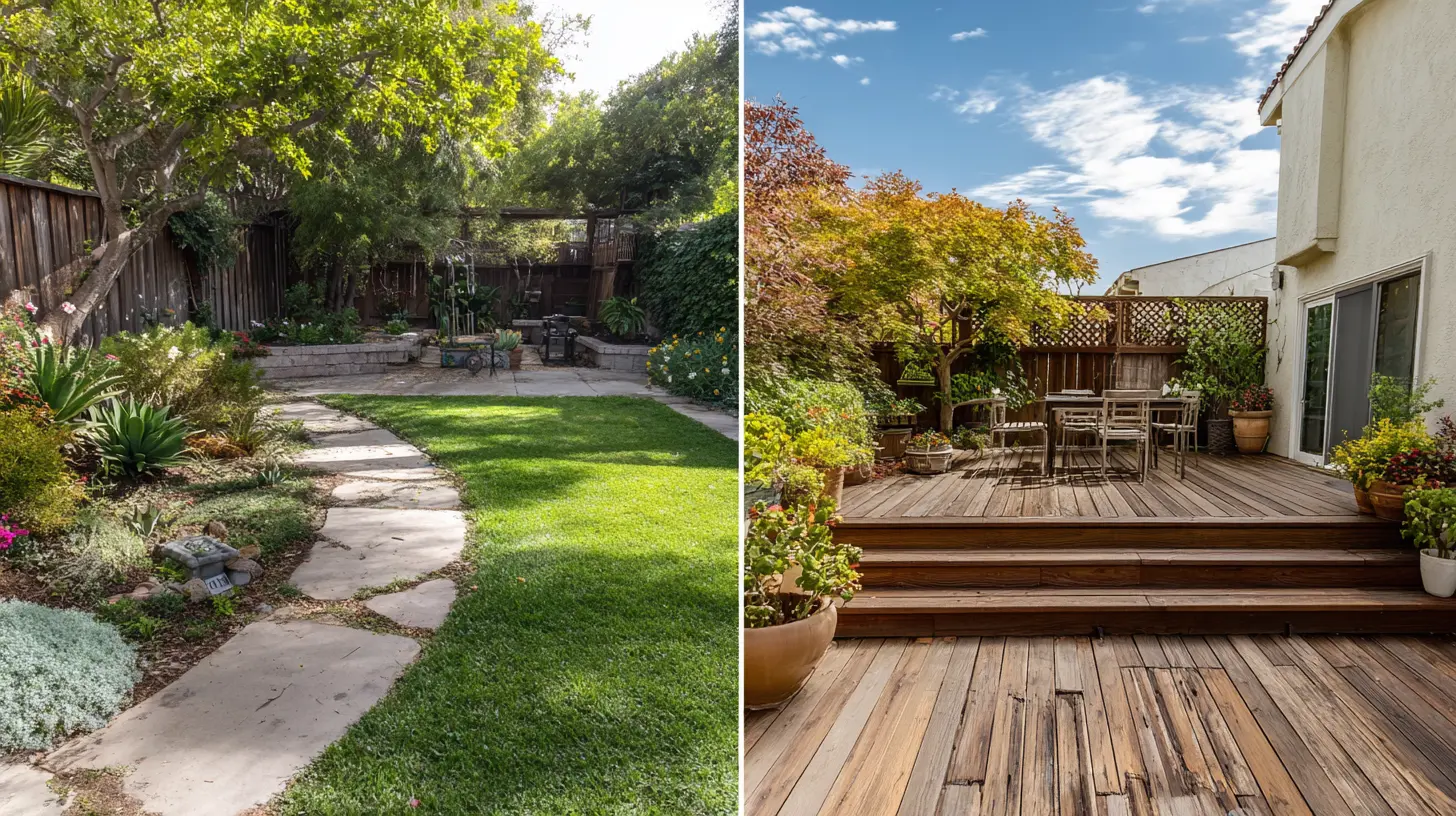
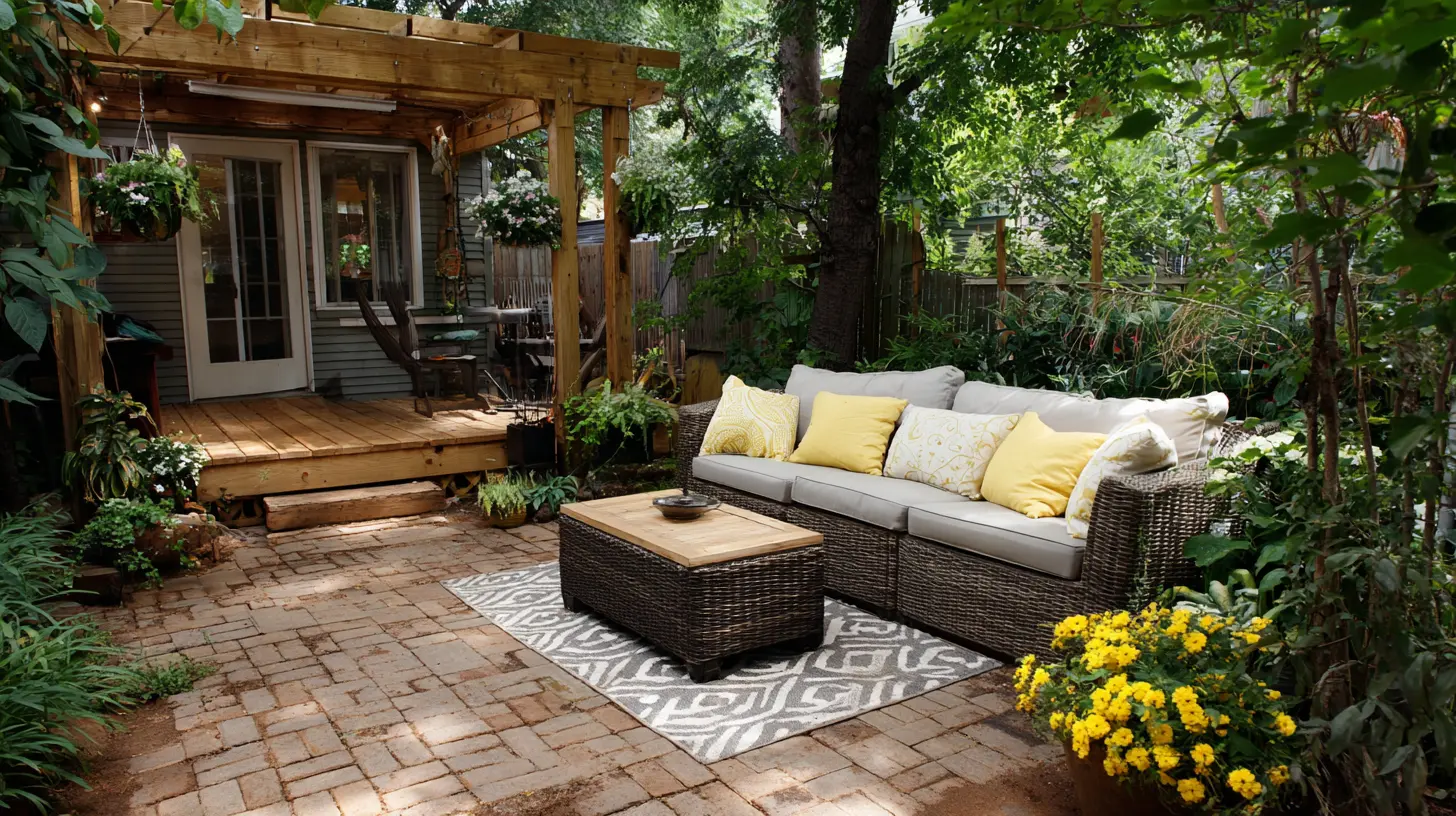
If you have a wooden fence, an old deck, or a concrete patio, paint and stain are your best friends. A fresh coat of a dark, rich color on a fence makes the greenery in front of it pop. A light, warm gray on a concrete slab makes the space feel larger and more modern.The common mistake is choosing a color based on a swatch without testing it in your actual light. Sunlight changes everything. Buy a small sample can, paint a two-foot square on the surface, and observe it at different times of day. What looks warm and inviting in the store can look cold and flat in the afternoon shade.
For fences, consider a solid stain instead of paint. Solid stain lasts longer on vertical surfaces, does not peel the way paint does, and is easier to touch up. For decks, semi-transparent stains let the wood grain show while protecting the surface. Do not skip the prep work. Cleaning and sanding are not optional. A stain over a dirty deck will peel within a season.
One caution: painting a concrete patio is a temporary fix. The paint will chip and fade within two to three years, especially in high-traffic areas. If you want a permanent solution, you need to stain the concrete or use a resurfacing product. But as an affordable makeover that lasts a few seasons, paint is perfectly acceptable. Just know that it is a maintenance commitment.
Lighting: The Secret to Evening Magic
Most backyards get used after sunset, but few are lit properly. The default is a single floodlight on the house that blasts the entire yard with harsh, flat light. That kills the mood and makes the space feel exposed. The fix is cheap and easy.Solar path lights are the easiest entry point. They cost almost nothing, require no wiring, and can be moved around until you find the right placement. The best practice is to place them along the edges of paths and garden beds, not in the middle of open areas. The goal is to create a gentle glow that defines the space without shouting.
String lights are the second essential. A few strands of warm white bulbs draped across a seating area instantly make the yard feel like a destination. Hang them at head height or slightly higher, and make sure they are taut. Sagging string lights look sloppy. Use a simple pulley system or hooks on the fence to keep them straight.
For a slightly larger budget, consider low-voltage landscape lighting. It costs more upfront, but it lasts longer and provides a much more controlled beam. Uplighting a tree or a tall plant creates depth. Downlighting from a branch mimics moonlight. The effect is dramatic, and the cost is still a fraction of what a professional lighting installation would charge.
Furniture on a Budget: Buy Less, Choose Better
The biggest waste of money in backyard makeovers is buying cheap furniture that falls apart in two years. A resin wicker set from a discount store might cost two hundred dollars, but it will fade, crack, and become landfill within two seasons. A used solid wood or metal set from a thrift store or online marketplace can last decades with a little care.The rule of thumb is to buy fewer pieces of higher quality. A single, well-made Adirondack chair is more comfortable and more attractive than four flimsy plastic chairs. A sturdy wooden table with a bench beats a wobbly folding table. You can always add more seating later. You cannot fix a chair that is structurally unsound.
Look for used furniture made of teak, cedar, or powder-coated aluminum. These materials handle weather well. If you find a piece with a faded finish, sand it down and apply a fresh coat of outdoor oil. For cushions, buy separate covers and store them indoors during winter. That simple habit doubles the life of the foam.
A final tip on furniture: think about scale. Oversized furniture on a small patio makes the space feel cramped. Small furniture on a large lawn looks lost. Measure your space and mark out the dimensions with tape before you buy. You will be surprised how much better a space feels when the furniture fits it properly.
Plants That Give the Most for the Least Effort
You do not need a green thumb to make a backyard feel lush. You need the right plants in the right places. The mistake most people make is buying a little bit of everything and planting it randomly. The result is a patchy, chaotic look that requires constant maintenance.Instead, choose a few workhorse plants that thrive in your climate and repeat them throughout the yard. Repetition creates a sense of design. If you plant three identical shrubs along a fence line, the eye reads it as intentional. If you plant three different shrubs, it reads as clutter.
For most regions, ornamental grasses are a safe bet. They are cheap, grow fast, tolerate neglect, and provide movement and texture. Native perennials are another smart choice because they require less water and attract pollinators. Do not buy plants from a big box store without checking the label for your hardiness zone. The plant that looks beautiful in the store might be an annual in your area, meaning it will die at the first frost.
One effective trick is to use large containers. A pair of big pots flanking the back door with a dramatic plant in each one creates an instant focal point. Containers are also easy to swap out seasonally. When one plant looks tired, replace it. The cost is low, and the visual payoff is high.
Creating Zones: The Difference Between a Yard and a Space
The most common reason a backyard feels unfinished is that it has no zones. It is just a flat expanse of grass with a grill somewhere. A makeover should divide the yard into distinct areas with different purposes. You do not need walls or fences. A change in flooring material, a row of plants, or even a different lighting level can define a zone.A typical small backyard might have three zones. The first is right off the house: a seating area for coffee and conversation. The second is a dining area near the grill, with a table and chairs. The third is a play area or a quiet corner with a hammock or a bench. The zones do not have to be large. Six feet by eight feet is enough for a comfortable seating area.
Use rugs to define the zones. An outdoor rug under the dining table instantly anchors the space. It also adds color and softness. Choose a rug made of polypropylene, which resists mold and fades less than natural fibers. A rug that is too small looks like a postage stamp. Buy the largest one that fits your zone, leaving at least eighteen inches of floor visible on all sides.
Another way to define zones is with height. A tall plant in a pot, a trellis, or even a simple curtain rod with outdoor fabric can visually separate one area from another without blocking light. This is especially useful in narrow yards where you want to create the illusion of separate rooms.
Water Features and Fire Pits: The Affordable Luxuries
A water feature or a fire pit sounds like a luxury, but both can be built for under a hundred dollars. A small fountain made from a ceramic pot, a submersible pump, and a piece of copper pipe creates the sound of running water, which masks street noise and adds a sense of calm. The pump costs about thirty dollars. The pot can be anything watertight.A fire pit is even simpler. A metal fire bowl placed on a gravel pad costs about fifty dollars. It provides warmth, light, and a natural gathering point. The key is placement. Do not put it too close to the house or under low-hanging branches. Keep a bucket of water or a hose nearby. Check your local regulations about open fires before you buy.
Both features add what designers call an anchor. An anchor is a focal point that draws people to a specific spot. Without an anchor, a backyard is just a place to stand. With an anchor, it becomes a place to gather. The sound of water or the crackle of fire makes people slow down and stay longer.
Common Myths That Waste Money
There are a few widely repeated pieces of backyard advice that simply are not true. Knowing these can save you from spending money on things that do not work.The first myth is that you need to kill the lawn before you can do anything else. In many cases, you can work with the lawn you have. Instead of ripping it out, improve it by overseeding, aerating, and fertilizing. A healthy, green lawn is a great backdrop for everything else.
The second myth is that you need a professional for every project. Laying gravel, building a simple planter box, or installing solar lights are all tasks that a patient beginner can handle. The key is to start small and watch a few tutorial videos. The money you save on labor can be spent on better materials.
The third myth is that more is better. A backyard crammed with plants, furniture, and decor looks chaotic. Negative space is important. Empty areas allow the eye to rest. They also make the yard feel larger. Resist the urge to fill every corner.
The fourth myth is that you should match everything. Matching furniture sets and matching planters look sterile. A mix of materials and colors, as long as they share a common palette, looks curated and interesting. The goal is cohesion, not uniformity.
Seasonal Maintenance: Protecting Your Investment
A cheap makeover only stays cheap if you maintain it. A few minutes of work each week prevents expensive repairs later. In spring, clean gutters, check for winter damage, and reapply mulch. In summer, water deeply but less frequently to encourage deep root growth. In fall, rake leaves and cut back dead plants. In winter, cover or store outdoor furniture and drain any water features.The most important maintenance habit is weeding. Do not let weeds get established. Pull them when they are small, ideally after a rain when the soil is soft. A weed-free garden bed looks intentional. A weedy one undermines all your other efforts.
Also, inspect your hardscaping once a year. Look for cracks in concrete, loose pavers, or gravel that has migrated. Fixing a small problem now is always cheaper than dealing with a big one later.
Putting It All Together: A Realistic Plan
If you want to transform your backyard on a tight budget, here is a practical sequence. First, clean everything and cut clear edges. This costs nothing but time. Second, paint or stain your fence and any tired hard surfaces. This costs under a hundred dollars for most yards. Third, lay gravel or mulch in the areas that look bare. This costs a few hundred dollars depending on the size. Fourth, add lighting. Solar lights and string lights cost under fifty dollars. Fifth, buy or build a few pieces of quality seating. Sixth, add plants in containers and a few in the ground. Seventh, add a focal point like a fire bowl or a small fountain.This sequence delivers visible results at every step. After the first weekend, the yard will already look better. After a month, it will feel like a different place. After a season, you will wonder why you did not do it sooner.
The real secret is not about the money. It is about the attention. A yard that is cleaned, edged, and lightly decorated will always beat a yard with expensive furniture that is dirty and disorganized. Start with the basics, do them well, and build from there. Your backyard is an extension of your home. It deserves the same care and thought as the rooms inside.
all images in this post were generated using AI tools
Category:
Home ImprovementAuthor:

Lydia Hodge
Discussion
rate this article
1 comments
Gwen McGillivray
This article highlights creative and budget-friendly backyard ideas that prove small changes can transform outdoor spaces. It's a reminder that impactful design doesn't always require a large investment.
August 17, 2026 at 4:34 AM
Lydia Hodge
I'm glad you found the article helpful! It's amazing what a few small changes can do for a backyard.