Estate Sales vs. Foreclosure Auctions: What’s the Difference?
8 January 2026
Real estate transactions can be confusing, especially when you start hearing terms like estate sales and foreclosure auctions. They may sound similar at first glance, but trust me, they are worlds apart. If you’re in the market for a great deal on a property, understanding these two processes is key.
So, what exactly makes them different? And which option is right for you? Let’s break it down in plain English. 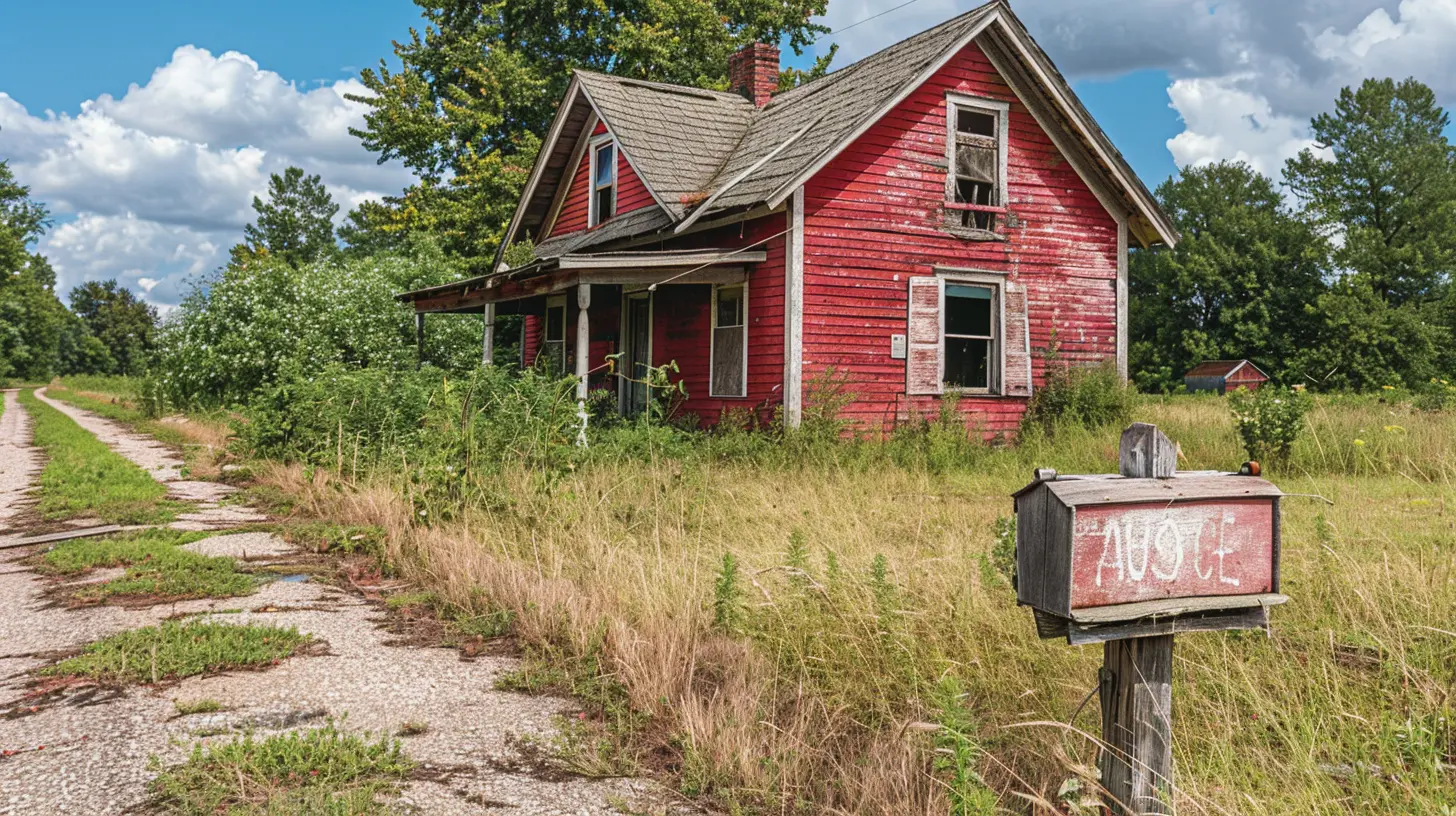
What is an Estate Sale?
An estate sale happens when a homeowner (or their family) needs to liquidate most or all of their personal belongings, including real estate. This typically happens for one of three main reasons:- The homeowner has passed away, and their heirs are selling the estate.
- The homeowner is downsizing, often due to age or financial reasons.
- Financial hardship, such as overwhelming debt, forces the sale.
Estate sales can include everything in the home—furniture, antiques, collectibles, and most importantly, the property itself. These sales are typically organized by estate sale companies that handle the entire process, from pricing to marketing and selling.
How Do Estate Sales Work?
1. Evaluation – The estate sale company assesses the home's belongings and property value.2. Pricing & Marketing – Items and the home are priced to attract buyers.
3. Sale Opens to the Public – Buyers can browse through the home and make offers.
4. Finalizing the Sale – Buyers negotiate, agreements are made, and the property is sold.
Estate sales can take longer than other property sales because families often list homes traditionally through a real estate agent. These properties tend to go for fair market value, unlike foreclosure auctions, which often sell for rock-bottom prices. 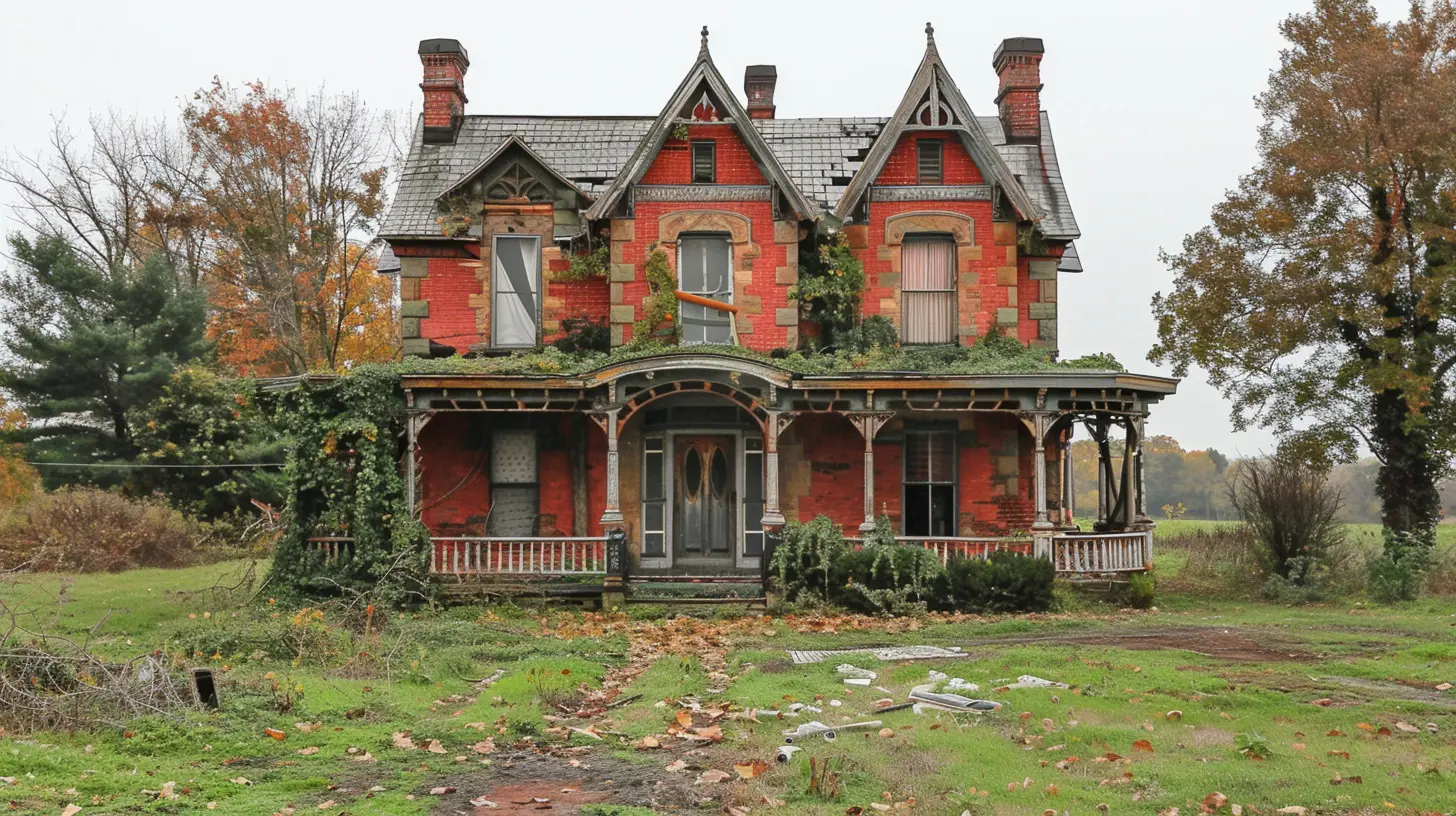
What is a Foreclosure Auction?
Foreclosure auctions are forced sales triggered when a homeowner defaults on their mortgage. The bank or lender seizes the property and puts it up for auction to recover lost funds. Unlike estate sales, foreclosure auctions are not voluntary—the homeowner has no say in the matter.How Do Foreclosure Auctions Work?
1. Notice of Default Issued – The lender warns the homeowner about missed payments.2. Property Seizure – If payments aren’t made, the bank takes control of the home.
3. Auction Announcement – The bank schedules an auction, usually through a courthouse or an online bidding platform.
4. Auction Day – Buyers bid, and the highest bidder wins the property.
Foreclosure auctions tend to move quickly—buyers are expected to have cash or financing ready immediately. The goal? The lender wants to dump the property fast and recover its losses.
Most foreclosure auction sales are as-is, meaning you get zero guarantees. You won’t have the luxury of a home inspection or a leisurely visit. If you buy, you inherit any problems the previous owner left behind. 
Key Differences Between Estate Sales and Foreclosure Auctions
| Feature | Estate Sales | Foreclosure Auctions ||----------------------|-------------|----------------------|
| Reason for Sale | Voluntary (due to death, downsizing, or debt) | Involuntary (bank seizes the property) |
| Seller | Heirs, homeowner, or estate sale company | Bank or mortgage lender |
| Property Condition | Usually well-maintained, often staged for sale | Sold as-is, often neglected or damaged |
| Buying Process | Traditional sale, negotiations allowed | Fast-paced bidding with no negotiations |
| Inspection Rights | Usually allows inspections | No inspections; sold as-is |
| Financing Options | Traditional mortgage allowed | Often requires cash or hard money loans |
| Pricing | Fair market value | Often below market value |
Which One is Right for You?
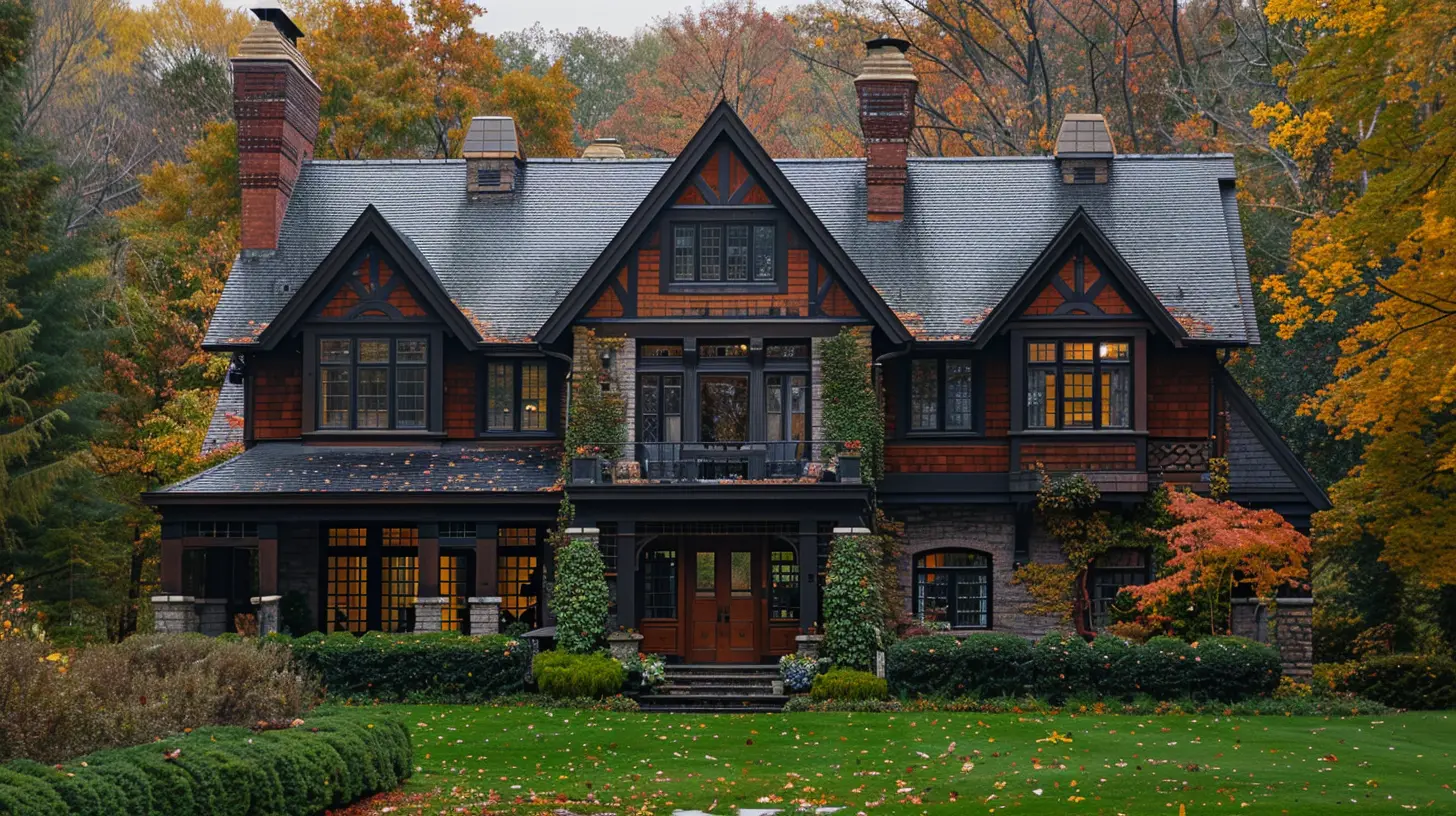
If You Want a Safe, Traditional Buying Process…
Go for an estate sale. You’ll have time to inspect the home, negotiate terms, and secure financing without rushing. Estate sale properties are usually well-maintained, making them a solid investment.If You’re Hunting for a Bargain…
Foreclosure auctions are the way to go. You can score a property for way less than its market value, but the trade-off is a higher risk. If you're comfortable buying a home sight unseen and have the funds ready, you could walk away with a steal.If You’re a First-Time Buyer…
Stay away from foreclosure auctions unless you really know what you’re doing. The risks—hidden repairs, unpaid taxes, and squatters—can turn a "cheap" deal into a financial nightmare. Estate sales are a safer bet for newbies.Pros and Cons of Estate Sales
✅ Pros
✔ Less Competition – Fewer aggressive bidders compared to auctions.✔ Traditional Buying Process – Inspections, negotiations, and financing allowed.
✔ Well-Maintained Homes – Properties are usually in better shape.
❌ Cons
✘ Higher Prices – You’ll likely pay fair market value.✘ Longer Buying Process – There’s no rush, which means more waiting.
Pros and Cons of Foreclosure Auctions
✅ Pros
✔ Potentially Lower Prices – Some properties sell way below market value.✔ Fast Transactions – No drawn-out negotiations—just bid and buy.
✔ Investment Potential – Rental investors love foreclosure auctions.
❌ Cons
✘ No Home Inspections – You buy it as-is, risks and all.✘ All-Cash or Hard Money Loans – Traditional mortgages don’t work in most cases.
✘ Competing with Experienced Investors – Pros swoop in and drive up prices fast.
Final Verdict: Estate Sales vs. Foreclosure Auctions
At the end of the day, estate sales and foreclosure auctions offer very different buying experiences. If you’re looking for a smooth, risk-free purchase, estate sales are the way to go. If you’re a seasoned investor hunting for a high-risk, high-reward deal, foreclosure auctions might be your thing.But here’s the bottom line: Do your research before making a move. In both cases, buying without due diligence can cost you big time.
So, which will it be—a carefully inspected estate property or a high-stakes foreclosure bid? The choice is yours.
all images in this post were generated using AI tools
Category:
Real Estate AuctionsAuthor:

Lydia Hodge
Discussion
rate this article
2 comments
Dakota Navarro
In the shadowy world of real estate, estate sales and foreclosure auctions dance a delicate waltz. Each holds secrets waiting to be unearthed, offering unique opportunities and hidden pitfalls. Which path will you choose, and what treasures—or traps—lie in wait?
January 28, 2026 at 6:00 AM
Lydia Hodge
Both estate sales and foreclosure auctions offer unique opportunities, but they come with distinct risks. Understanding their differences can help you navigate the real estate landscape more effectively. Choose wisely!
Leah McNair
This article effectively highlights the key distinctions between estate sales and foreclosure auctions. Understanding these differences is crucial for buyers and sellers alike. It’s clear that each option has unique processes and implications, making informed decisions essential for successful transactions in real estate. Great read!
January 8, 2026 at 2:25 AM
Lydia Hodge
Thank you for your insightful comment! I'm glad you found the distinctions between estate sales and foreclosure auctions helpful. Making informed decisions is indeed vital in real estate.