How to Use Textures and Patterns in Staging to Elevate a Home’s Appeal
1 May 2026
When it comes to home staging, most people focus on furniture placement, lighting, and neutral color palettes. But have you ever considered the impact that textures and patterns can have? These subtle design elements can transform a space, making it more inviting, visually interesting, and emotionally engaging for potential buyers.
If you want to create a lasting impression and make buyers fall in love with a home the moment they step inside, mastering the art of textures and patterns is key. Let’s dive into some powerful ways to use them effectively in staging. 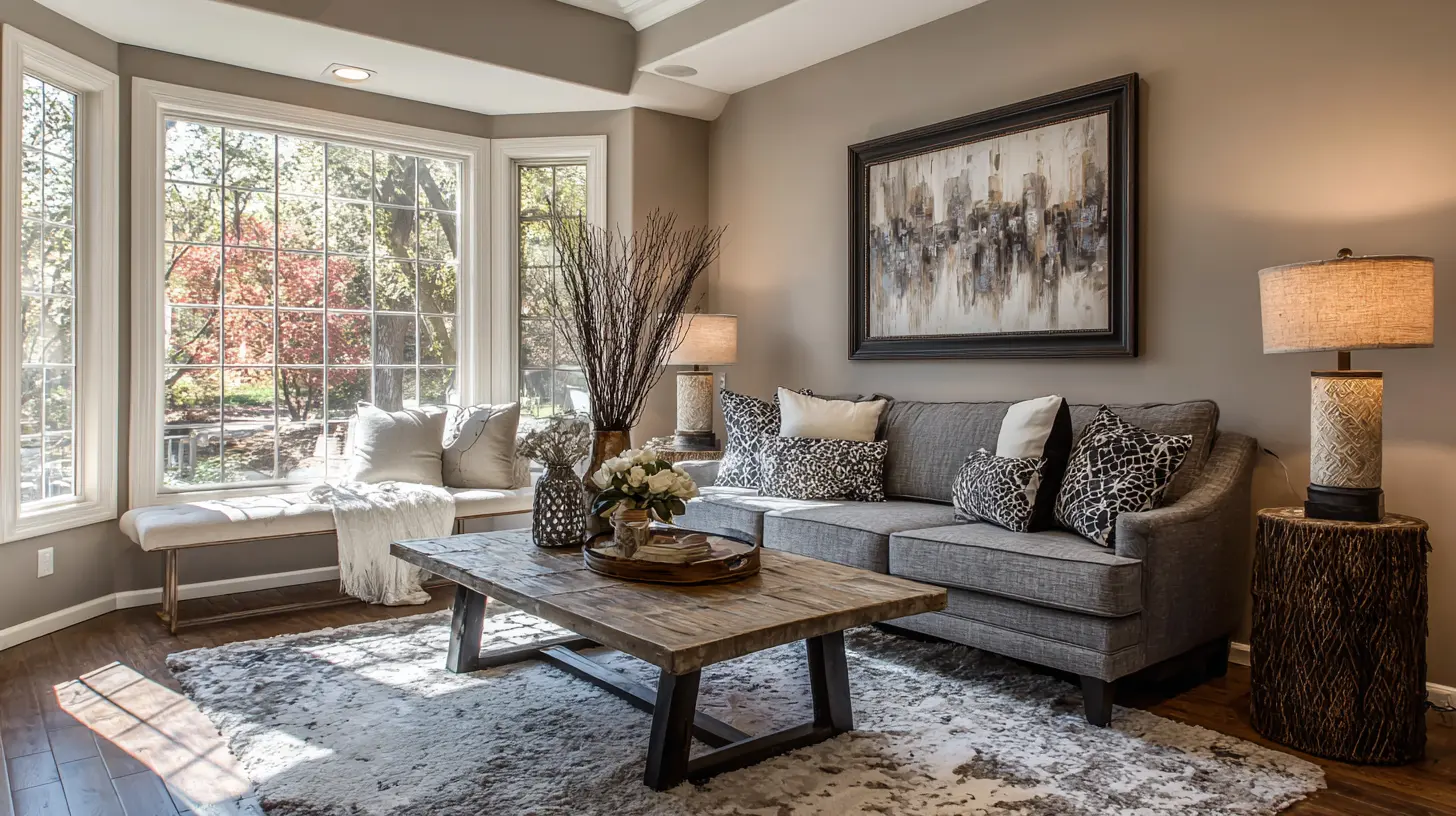
Why Textures and Patterns Matter in Home Staging
Imagine walking into a home that feels flat and uninviting. Even if the furniture is stylish and the layout makes sense, something still feels… off. That’s where textures and patterns come in.They add depth, warmth, and personality to a space. They make a home feel more “lived in” while still allowing buyers to envision their own style in it. When done right, these design elements create a sensory experience that helps buyers emotionally connect with the property.
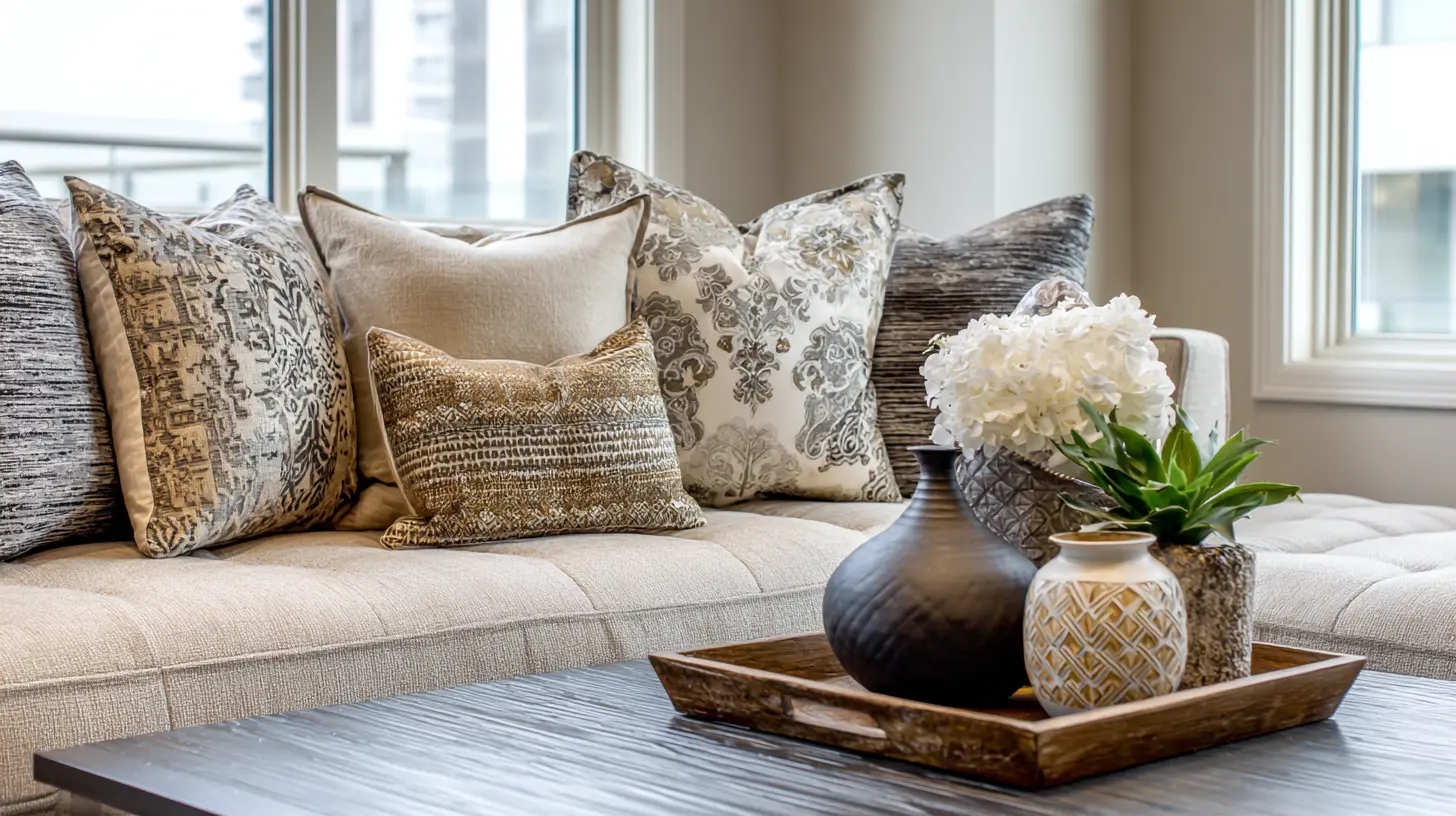
The Role of Texture in Home Staging
Texture refers to the way objects feel or appear to feel. It plays a significant role in setting the mood of a home. A well-balanced mix of textures can make a space feel cozy, elegant, or luxurious.1. Soft Textures for a Cozy Atmosphere
Want a home to feel warm and inviting? Incorporate plush textures like:- Soft throw blankets draped over a couch
- Fluffy pillows on beds and sofas
- Cozy area rugs placed strategically in living areas
These textures evoke a sense of comfort, making potential buyers feel right at home.
2. Natural Textures for an Organic Feel
Bringing in natural textures adds an organic, earthy vibe that buyers love. Consider adding:- Woven baskets for storage
- Wooden furniture pieces or accents
- Jute or sisal rugs
- Stone or ceramic decor pieces
Natural materials create a grounded, soothing environment that makes any home feel more high-end.
3. Smooth and Sleek for a Modern Look
For a more polished and contemporary style, use smooth textures like:- Glass-topped tables
- Metallic finishes (gold, silver, or bronze)
- Leather furniture or accents
- High-gloss cabinetry
These textures reflect light beautifully and add a sense of sophistication to modern spaces. 
The Power of Patterns in Home Staging
While textures add depth, patterns introduce visual interest and movement. The key to using patterns successfully is balance—too much can feel overwhelming, while too little can make a space feel dull.1. Subtle Patterns for a Timeless Look
If you want to appeal to a broad range of buyers, stick to timeless patterns like:- Stripes (e.g., in throw pillows or rugs)
- Herringbone or chevron patterns in flooring or backsplashes
- Subtle floral or geometric prints in pillows or drapes
These patterns add just enough visual interest without overwhelming the room.
2. Bold Accents for a Statement Piece
Want to create a memorable focal point? Use bold patterns in a controlled way:- A statement wallpaper in a powder room or accent wall
- A vibrant patterned area rug in a neutral space
- A striking piece of artwork with geometric or abstract designs
When used sparingly, bold patterns make spaces feel stylish and unique without being overpowering.
3. Mixing Patterns with Caution
Mixing patterns can look fantastic when done correctly. The trick is to vary pattern sizes and keep a common color scheme. For example:- Pair large floral prints with small polka dots
- Combine subtle stripes with a bold geometric print
- Stick to two or three patterns to avoid a cluttered look
A well-balanced mix of patterns can make a home feel curated and thoughtfully designed. 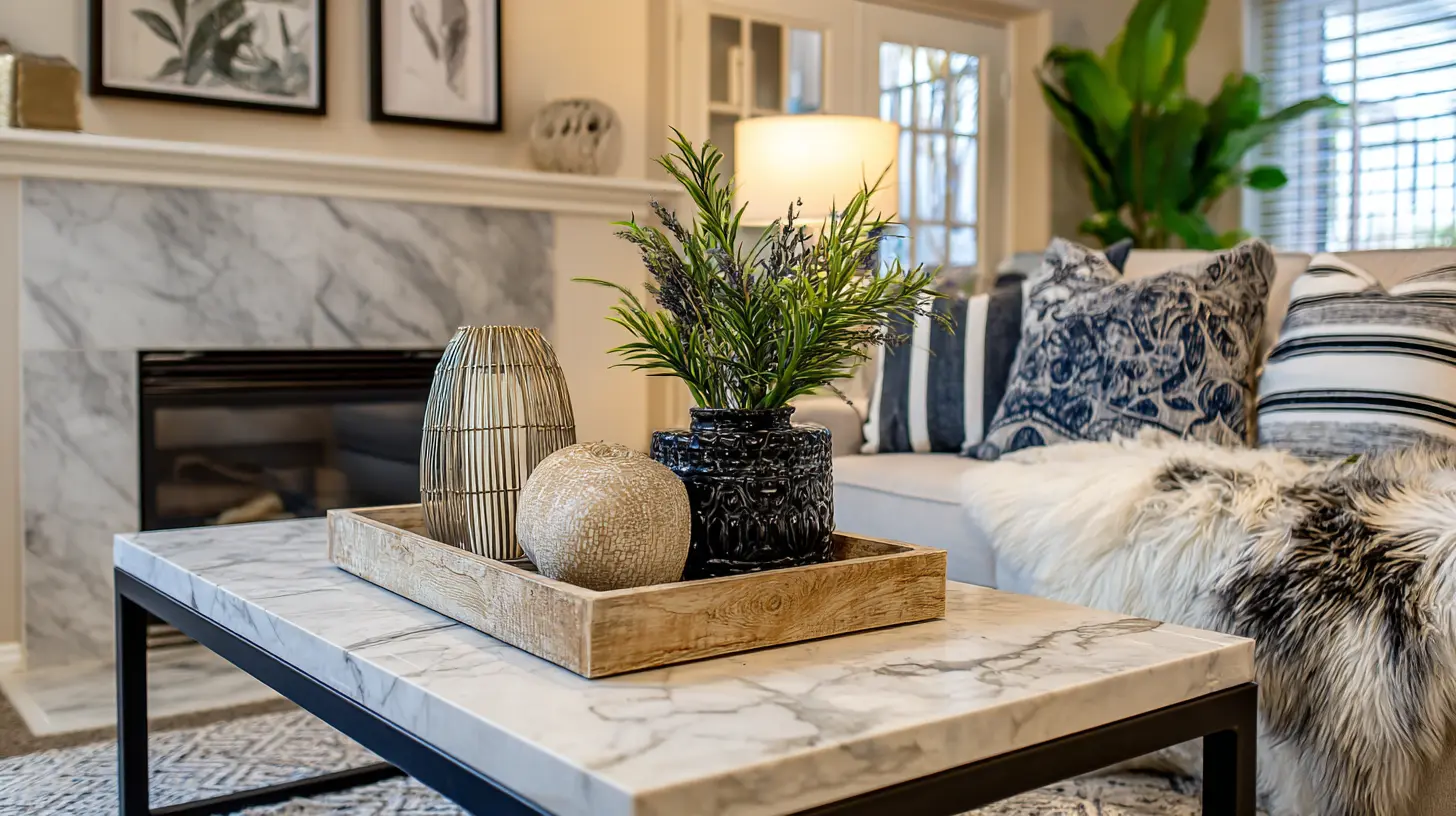
How to Combine Textures and Patterns in Home Staging
Now that we’ve covered the basics, let’s talk about how to layer textures and patterns to create a cohesive look.1. Start with a Neutral Base
A neutral backdrop (soft grays, warm whites, or muted beiges) lets textures and patterns shine without clashing. Think of it as the canvas on which you’ll build an inviting space.2. Layer Textures First
Begin with larger textured elements like rugs, furniture, or drapes. Then, add smaller textured accessories like throw blankets, cushions, or vases.For example, pair a velvet sofa with a chunky knit throw and a sleek glass coffee table to create depth.
3. Introduce Patterns in Small Doses
Once your textured foundation is set, introduce patterned elements. Try patterned pillows, artwork, or a statement rug. The key is to choose patterns that complement rather than compete with each other.4. Use a Cohesive Color Palette
No matter how many textures or patterns you incorporate, keeping a consistent color scheme ties everything together. Stick to 2-3 colors that work harmoniously to create a stunning visual flow.5. Use Contrast Wisely
Contrast makes a space pop. Mix light and dark textures—like a rough wooden coffee table against a plush white rug—to create balance. Similarly, contrast smooth textures (glass, metal) with soft ones (linen, wool) for an effortless chic look.Mistakes to Avoid When Using Textures and Patterns
Even the best design techniques can backfire if not executed well. Here are some common mistakes to watch out for:1. Overloading the Space
Too many patterns and textures can make a home feel cluttered and chaotic. Keep it simple—less is often more.2. Ignoring Proportions
A mix of large and small textures/patterns keeps the space balanced. Avoid using only bold, large-scale patterns, as they can overpower a room.3. Forgetting the Target Audience
Not all buyers appreciate bold or trendy decor. If staging for a broad audience, keep textures and patterns elegant and understated rather than overly trendy.4. Neglecting Flow Between Rooms
Each room should feel connected. If one space has bold textures and patterns while another looks stark and plain, the home may feel disjointed. Maintain consistency throughout.Final Thoughts
Textures and patterns are the unsung heroes of home staging. They breathe life into a space, making it feel warm, inviting, and memorable. The right mix of soft and sleek textures, combined with carefully chosen patterns, can elevate any home’s appeal and leave a lasting impression on buyers.So, as you're staging, don’t just focus on furniture placement and color schemes—pay attention to the elements that create depth and personality. Because sometimes, it’s the small details that make the biggest difference.
all images in this post were generated using AI tools
Category:
Home StagingAuthor:

Lydia Hodge
Discussion
rate this article
2 comments
Annabelle Potter
Textures and patterns can be game changers in home staging. A well-placed rug or bold wallpaper can add depth and character, transforming a space from bland to beautiful.
May 8, 2026 at 3:37 AM
Lydia Hodge
Absolutely! Textures and patterns can really define a space. A striking rug or unique wallpaper can instantly enhance a home's charm.
Darby McMeekin
Great insights! Textures and patterns really can transform a space. Can't wait to see how these tips bring homes to life!
May 3, 2026 at 3:33 AM
Lydia Hodge
Thank you! I'm glad you found the ideas helpful. Excited to see how you use them in your own space!