Navigating the Real Estate Market as a Downsizer in 2027
2 September 2026
If you are reading this, you are probably standing at a crossroads. The house that raised your children, hosted countless holidays, and filled with decades of memories now feels larger than your life requires. The stairs are steeper, the yard is bigger than you want to maintain, and the property taxes keep climbing. Downsizing in 2027 is not what it was in 2017 or even 2022. The market has shifted in ways that reward preparation and punish hesitation. This guide is written for you, the homeowner who is ready to make a strategic move, not a forced one. Let's walk through the process with clarity, confidence, and a plan that protects your equity and your peace of mind.
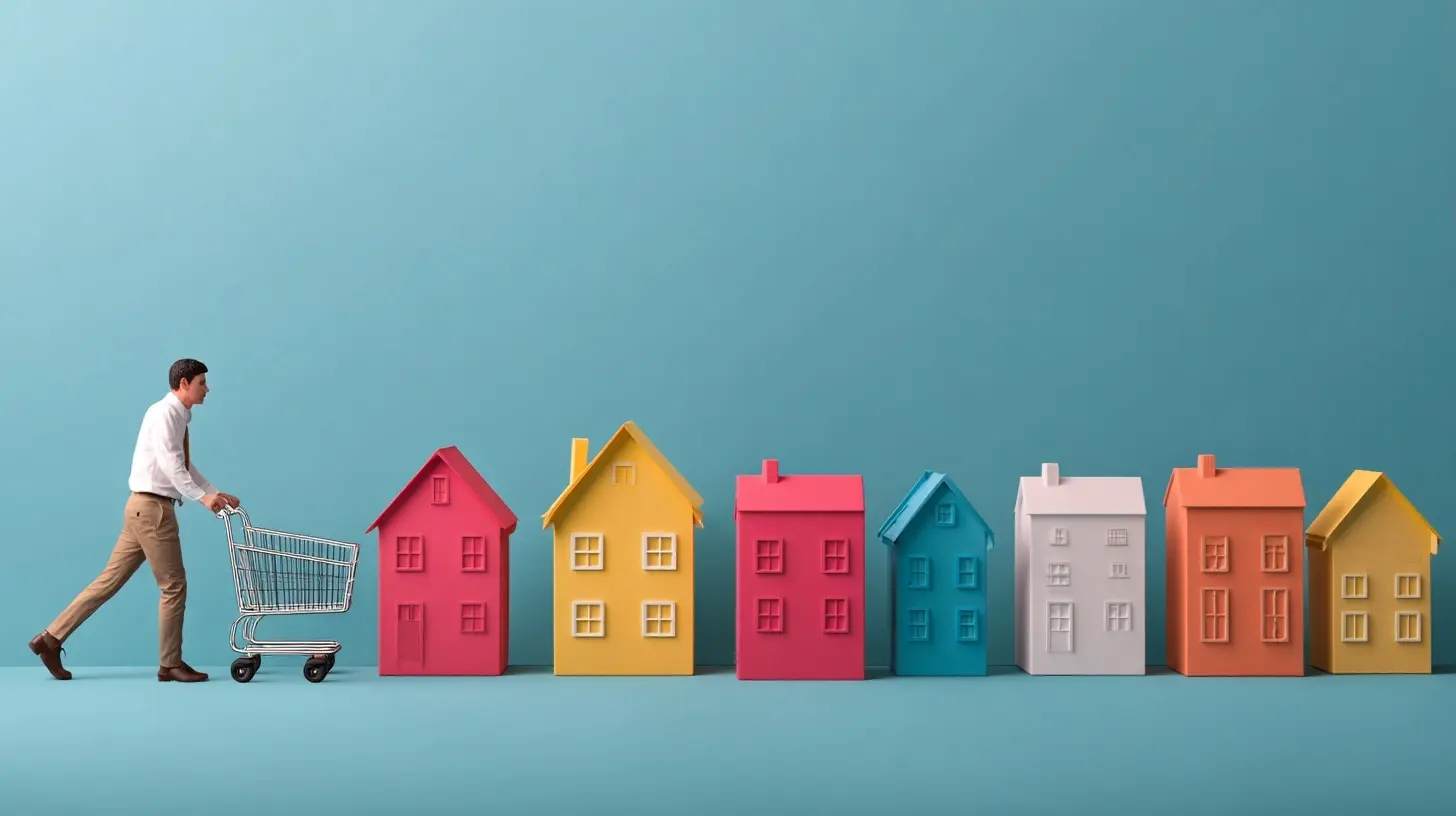
The 2027 Landscape: Why This Year Is Different
The real estate market in 2027 is defined by a persistent supply shortage, a generation of aging homeowners, and interest rates that have settled into a range that feels high compared to the 3 percent era but is historically normal. You are not competing with first-time buyers for the same properties. You are competing with other downsizers, and that changes everything.In many suburban and exurban markets, the classic "empty nester" home is a three or four bedroom detached house on a quarter-acre lot. There are millions of these homes across the country, and a significant portion of them are owned by people in their late sixties and seventies. That demographic wave is peaking right now. The result is a market where the supply of large family homes is actually increasing, while the supply of smaller, accessible, single-level homes is shrinking. Builders have focused on luxury rentals and starter homes for decades, leaving a massive gap in the middle.
This means you have leverage when selling your current home, but you face intense competition when buying your next one. That is the core tension of downsizing in 2027. You are selling into a market with more inventory than it had five years ago, but you are buying into a market where the product you want is in high demand. Understanding this dynamic is the first step to navigating it successfully.

The Financial Reality Check: Equity, Taxes, and the True Cost of Moving
Before you look at a single listing, you need to run the numbers on your current home. In 2027, most downsizers have substantial equity, often 50 to 70 percent of their home's value. That is a powerful tool, but it can also create a false sense of security.Let's talk about capital gains. If you are single, you can exclude up to $250,000 of profit from the sale of your primary residence. If you are married filing jointly, that exclusion doubles to $500,000. You must have lived in the home for two of the five years before the sale. This rule has not changed, and it is generous. However, if you bought your home in the late 1990s or early 2000s, your cost basis is so low that your profit could exceed that exclusion, especially if you live in a high-appreciation market like California, parts of the Northeast, or Florida's coast. If that is your situation, you need to talk to a tax professional before you list. The difference between a $480,000 profit and a $520,000 profit can be a five-figure tax bill.
There is also the cost of the new purchase. In 2027, mortgage rates have hovered between 5.5 and 6.5 percent for most of the year. If you are buying your next home with a mortgage, even a small one, your monthly payment might not drop as much as you expect. Many downsizers make the mistake of assuming that a smaller house means a proportionally smaller payment. That is rarely true. You are trading a paid-off or nearly paid-off home for a new mortgage at a higher rate, on a smaller but still expensive property. Property taxes on the new home will be based on the current purchase price, not the assessed value you have been paying for years. Insurance costs have risen sharply in many regions due to climate-related risks. The math must be done line by line.
A practical exercise: write down every monthly cost of your current home, including utilities, maintenance, lawn care, and a reasonable estimate for repairs. Do the same for the home you are considering, using realistic estimates rather than the seller's claims. The difference is your true savings. If it is less than $500 a month, ask yourself whether the disruption is worth it. Sometimes it is, because the physical burden is the real problem, not the cost. But you should know the number before you decide.

Selling First or Buying First: The Eternal Question
The single most common question downsizers ask is whether to sell their current home before finding a new one. In 2027, the answer depends on your risk tolerance and your local market conditions.Selling first gives you a cash offer, a clear closing date, and the ability to make a non-contingent offer on your next home. In a competitive market for smaller homes, that is a tremendous advantage. Sellers of condos, townhomes, and small single-level houses receive multiple offers regularly. They are far more likely to accept an offer from a buyer with cash in hand and no home to sell. The downside is that you will need somewhere to live in the gap. You might rent a short-term apartment, stay with family, or use a storage unit for your furniture. That is an inconvenience, but it is a temporary one.
Buying first is less stressful in terms of moving logistics, but it is financially riskier. You will need to qualify for a bridge loan or a home equity line of credit to cover the down payment on the new home before the old one sells. In 2027, lenders are cautious about these products, especially if your current home has been on the market for more than a few weeks. You also face the possibility of carrying two mortgages and two sets of utility bills for months. That can drain the very equity you are trying to preserve.
A middle path is the "sell with a rent-back" agreement. You accept an offer on your current home, but you negotiate the right to stay in the home for thirty to sixty days after closing, paying rent to the new owners. This gives you a closing date, a clear pile of cash, and time to close on your next purchase. It is not always available, especially if the buyer plans to move in immediately, but it is worth asking for. Many downsizers successfully use this strategy to avoid the stress of moving twice.

The Search: What to Look For and What to Avoid
When you start looking at smaller homes, you will quickly realize that not all of them are suitable for your stage of life. The phrase "downsizing" implies a simple reduction in square footage, but the reality is far more nuanced. You are not just looking for less space. You are looking for the right kind of space.The first feature to prioritize is a single-level floor plan. Stairs become a genuine issue for many people in their seventies and eighties, even if they are perfectly healthy today. A two-story townhome with a master bedroom upstairs might be lovely now, but it could become a liability in ten years. If you must consider a two-story property, ensure the main living areas and at least one full bathroom are on the first floor. That way, you can live comfortably on one level even if you rarely use the upstairs.
Accessibility is another critical factor. Door widths, hallway widths, and bathroom layouts matter more than you might think. A bathroom with a step-in shower is vastly preferable to one with a tub, even if you have no current mobility issues. Lever handles are easier than doorknobs, and a zero-threshold entry from the garage is a blessing if you ever need a walker or wheelchair. These features are not just for the elderly. They add resale value and make daily life easier for everyone.
Location is arguably more important than the home itself. When you downsize, you are also simplifying your life. Look for a neighborhood within walking distance of grocery stores, pharmacies, and medical facilities. Proximity to public transportation or major highways matters if you plan to stop driving in the future. A home that is perfect in every way but isolated is a trap. In 2027, many downsizers are moving toward "15-minute neighborhoods," where daily needs are met within a short walk or bike ride. This is not just a trend. It is a practical response to the reality of aging in place.
Avoid properties with extensive outdoor maintenance requirements. A large yard, a pool, or elaborate landscaping will eat your time and money. You are downsizing to reduce burdens, not to trade one set of chores for another. A small patio or a modest garden is manageable. A half-acre of lawn is not.
The Condo and Townhome Trade-Off
Many downsizers automatically gravitate toward condominiums and townhomes, drawn by the promise of no exterior maintenance and shared amenities. This can be a wise choice, but it comes with trade-offs that are often misunderstood.The primary appeal is the homeowners association, or HOA. The HOA handles roofing, siding, landscaping, and common areas. That sounds wonderful, and it often is. However, you need to scrutinize the HOA's financial health before you commit. In 2027, many older condo associations are facing special assessments for deferred maintenance, particularly for roofs, elevators, and parking structures. A building built in the 1980s may have a reserve fund that is woefully inadequate. Ask for the association's financial statements and the results of their most recent reserve study. If the reserve fund is below 50 percent of the estimated replacement cost, you are at risk of a large special assessment within a few years.
Also, be aware of HOA rules that may not fit your lifestyle. Some associations have strict rental restrictions, which matter if you plan to rent the property out later. Others have age restrictions, which can be a benefit or a limitation depending on your perspective. Pet policies, parking rules, and guest policies all vary widely. Read the governing documents carefully, and do not rely on the seller's summary. You need to see the actual bylaws.
The financial comparison between a condo and a single-family home is also more complex than it appears. The HOA fee might be $300 to $600 a month in 2027, which covers insurance and maintenance that you would otherwise pay yourself. But you have no control over how that money is spent, and fees can rise dramatically from year to year. A condo is a good option if you value convenience and community. It is a poor option if you want autonomy and predictable costs.
The New Construction Alternative
Another path is to buy a newly built home designed for empty nesters. In 2027, many builders have finally recognized the demand from this demographic and are offering "pocket neighborhoods" and "active adult" communities with smaller, single-level homes. These properties are often highly energy-efficient, with modern insulation, heat pumps, and solar-ready wiring. The appeal is obvious: everything is new, nothing needs repair, and the floor plans are designed with aging in place in mind.But new construction has its own set of considerations. The price per square foot is often higher than for an existing home, and the quality of construction can vary widely. You are buying from a builder who may have a reputation for cutting corners. Do your due diligence. Visit other communities by the same builder and talk to residents. If possible, hire a home inspector to check the property before the final walkthrough, even though it is new. Many buyers skip this step and later regret it.
There is also the matter of timing. New construction communities are often built in phases, and the amenities promised in the marketing materials may not exist for years. A clubhouse, a pool, or a walking trail might be on the plan, but you could be living with dirt and construction noise for a long time before they are completed. If you are moving for the lifestyle, make sure the lifestyle is already in place or at least under active construction.
The Emotional Side of the Move
No discussion of downsizing would be complete without addressing the emotional weight of the process. You are not just selling a house. You are closing a chapter of your life. The home where your children took their first steps, where you celebrated anniversaries, where you weathered storms both literal and metaphorical, holds a deep significance. It is normal to feel grief, even when you are making the right decision.Give yourself permission to feel this. Do not rush the process just to get it over with. Take time to sort through your belongings, to photograph the rooms, and to say goodbye to the house itself. Many downsizers find that creating a memory book or a photo album helps them let go. Others host a "last dinner" with close friends and family in the old home, turning a bittersweet moment into a celebration.
A common mistake is trying to move everything to the new, smaller space. That rarely works. You will need to declutter, and you will need to do it before you list the home for sale. Buyers in 2027 are savvy. They can see through clutter, and they will assume that a packed home has hidden problems. A staged, minimal home sells faster and for more money. This means making decisions about your possessions weeks or even months in advance. Start with the obvious items: clothes that no longer fit, kitchen gadgets you never use, boxes of paperwork you have not opened in a decade. Be ruthless but kind to yourself. You are not throwing away memories. You are curating a new life.
Working with Professionals: The Right Team Matters
You can try to navigate this process alone, but you should not. In 2027, the real estate landscape is complex enough that a good team is worth every penny. You need a real estate agent who specializes in your specific market and, ideally, in working with downsizers. Ask potential agents about their experience with clients in your age group. Have they handled sales of large family homes and purchases of smaller properties? Do they understand the tax implications and the logistics of a coordinated move? A great agent will not just show you houses. They will advise you on pricing strategy, negotiate aggressively on your behalf, and connect you with other professionals you will need.You also need a real estate attorney, even in states where they are not required. The contracts in 2027 are long and full of contingencies that can trip you up. An attorney will review every document, explain what you are signing, and protect your interests if a dispute arises. This is not an area to cut corners.
Finally, consider working with a move manager or a senior move specialist. This is a relatively new profession that has grown significantly in the past decade. These professionals help you sort, pack, donate, and unpack your belongings. They coordinate the movers, set up the new home, and handle all the details that feel overwhelming. If you have the budget, hiring a move manager can transform a stressful experience into a manageable one.
The Contingency Trap and How to Avoid It
One of the most frustrating parts of downsizing in 2027 is the contingency clause. When you make an offer on a new home that is contingent on the sale of your current home, you are at a significant disadvantage. Sellers of smaller homes often receive multiple offers, and they will almost always choose a buyer without a contingency. This is not personal. It is practical. They do not want to wait for your home to sell, and they do not want the deal to fall through.The best way to avoid this trap is to sell first, as discussed earlier. If that is not possible, you have a few other options. You can make a larger earnest money deposit to show you are serious. You can offer a shorter closing timeline. You can even waive certain contingencies, like the inspection, but that is risky and not recommended. The most effective strategy is to price your current home aggressively to sell quickly, even if that means accepting a slightly lower offer. The cost of carrying two homes for several months can easily exceed the difference between an aggressive price and a stretch price.
The Final Walkthrough and Closing Day
Once you have an accepted offer on both properties, the process becomes a series of deadlines. The final walkthrough of your new home is your last chance to ensure everything is in order. Check that all appliances are present and working. Turn on the faucets and flush the toilets. Look for signs of water damage, pest activity, or unfinished repairs. If you hired an inspector earlier, compare their findings to the current state of the property. Do not sign the closing documents until you are satisfied.Closing day in 2027 is often done remotely or through a title company, but the emotional weight is the same. You will sign a mountain of paperwork, transfer funds, and receive the keys. It is a moment of finality and a moment of beginning. Take a breath. You have done the hard work. You have made a strategic decision to simplify your life, protect your equity, and position yourself for the years ahead. That is something to be proud of.
Common Misconceptions About Downsizing
There is a persistent belief that downsizing is a step down, a loss of status, or an admission that you cannot handle your own home. This is wrong. Downsizing is a proactive choice. It is a decision to trade square footage for freedom, to exchange maintenance for experiences, and to prioritize your physical and financial well-being over a nostalgic attachment to a building.Another misconception is that you will automatically save money. As discussed, that is not always true. Condo fees, higher taxes, and a new mortgage can eat into your savings. The real benefit is often not financial. It is the reduction of stress, the simplicity of a smaller space, and the ability to travel or pursue hobbies without worrying about the roof or the furnace. Go into the process with realistic expectations, and you will not be disappointed.
Planning for the Next Chapter
The years after downsizing can be some of the most liberating of your life. With a smaller home, you have more time and energy for the people and activities that matter to you. You can travel without the guilt of leaving a large house unattended. You can spend winters in a warmer climate if that appeals to you. You can volunteer, take classes, or simply enjoy the quiet of a space that fits your life perfectly.In 2027, the real estate market offers both challenges and opportunities for downsizers. The challenge is the competition for smaller, accessible homes. The opportunity is the equity you have built and the freedom that comes with a well-planned move. By understanding the market, preparing your finances, assembling the right team, and managing the emotional transition, you can navigate this process with confidence. The home you are leaving is not a loss. It is a launchpad for the next stage of your journey.
all images in this post were generated using AI tools
Category:
DownsizingAuthor:

Lydia Hodge
Discussion
rate this article
2 comments
Runeveil Wolf
Downsizers in 2027 should focus on community features and long-term value when choosing their next home.
September 25, 2026 at 3:10 AM
Thorne James
Downsizing in 2027 offers an opportunity to simplify your life and boost your financial flexibility. Focus on your needs, explore different neighborhoods, and embrace the freedom that comes with smaller living spaces. It's your chance to make a fresh start.
September 22, 2026 at 2:28 AM